
TL;DR
Gavi has approved a $180 million investment to support vaccine manufacturing facilities across Africa. This move aims to strengthen local health systems and improve vaccine access. The development is confirmed and part of broader efforts to boost regional vaccine independence.
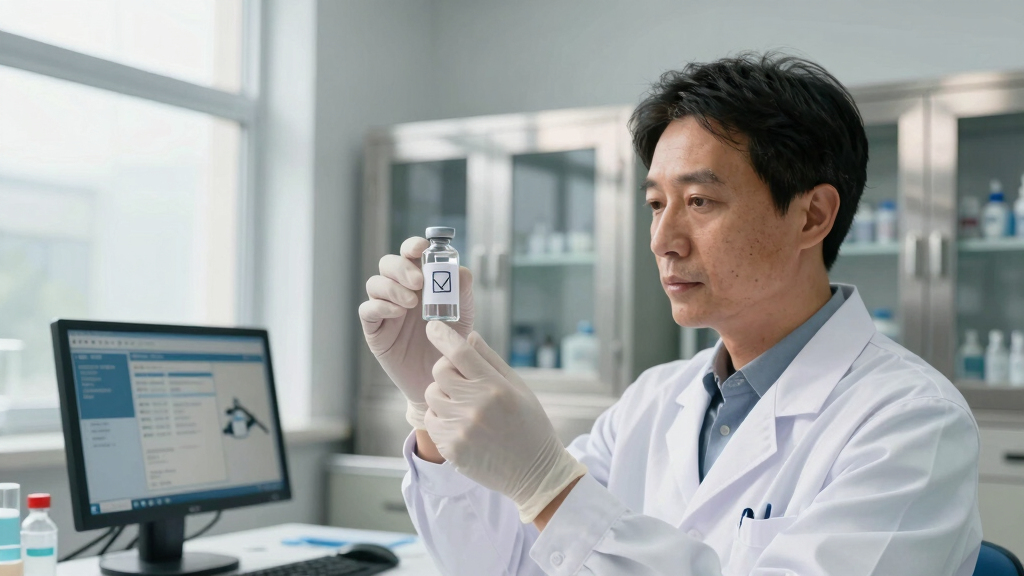
Gavi, the Vaccine Alliance, has approved a $180 million fund to support the development of vaccine manufacturing facilities across Africa. This financial commitment aims to enhance local capacity to produce vaccines, reducing dependence on imports and improving regional health resilience. The move is part of Gavi’s broader strategy to strengthen vaccine supply chains and improve access for vulnerable populations in Africa.
The $180 million fund was officially approved by Gavi during its recent board meeting, with the goal of financing infrastructure, technology transfer, and capacity-building projects in multiple African countries. Gavi officials stated that the investment will support the establishment and expansion of vaccine manufacturing sites, including those for COVID-19, routine immunizations, and future vaccines.
Sources confirm that the funding will be allocated over the next several years, with initial projects focusing on Nigeria, Senegal, and South Africa, where existing facilities will be upgraded or new ones built. Gavi emphasized that this initiative aims to foster self-sufficiency and reduce reliance on vaccine imports, which have been vulnerable to global supply disruptions.
Health experts and officials from participating countries welcomed the move, citing the potential for increased vaccine availability, lower costs, and quicker response times during health emergencies. Gavi’s CEO, Dr. Seth Berkley, highlighted that this investment aligns with global efforts to strengthen health systems and pandemic preparedness in Africa.
Impact of Gavi’s Funding on Africa’s Vaccine Independence
This $180 million investment is a pivotal step toward building vaccine manufacturing capacity in Africa. It aims to reduce reliance on international suppliers, which has been a critical challenge during recent global health crises. Enhanced local production could lead to more equitable vaccine access, lower costs, and quicker deployment during outbreaks, ultimately strengthening health security across the continent.
Furthermore, the initiative is expected to stimulate economic growth by creating jobs and fostering technological development within participating countries. It also signals increased international support for Africa’s health infrastructure, aligning with global efforts to improve pandemic preparedness and health equity.
YWBL-WH Peristaltic Pump Tube 3 x 5mm BPT Tube Silicone Tubing for Fluid in Sensitive Processes(1 meter)
This eristaltic pump tube is 30 times better than ordinary silicone tube. High temperature and high pressure can…
As an affiliate, we earn on qualifying purchases.
As an affiliate, we earn on qualifying purchases.
Background of Africa’s Vaccine Manufacturing Challenges
Historically, Africa has faced significant challenges in vaccine access due to limited local manufacturing capacity. Most vaccines are imported, making the continent vulnerable to global supply chain disruptions, as seen during the COVID-19 pandemic. Prior efforts to establish regional manufacturing hubs have faced obstacles such as funding shortages, technological gaps, and regulatory hurdles.
In recent years, international organizations like Gavi, WHO, and the African Union have prioritized building local vaccine production to address these issues. The approval of this $180 million fund is part of ongoing efforts to turn these strategic goals into tangible infrastructure projects, with initial investments focused on Nigeria, Senegal, and South Africa.
“This investment marks a critical step toward self-sufficiency in vaccine production for Africa, which will improve health security and resilience.”
— Dr. Seth Berkley, Gavi CEO
vaccine storage refrigerators
As an affiliate, we earn on qualifying purchases.
As an affiliate, we earn on qualifying purchases.
Details on Implementation and Timeline Still Unclear
While the approval of the $180 million fund is confirmed, specific details about the implementation timeline, project scope, and the exact locations of new manufacturing sites remain unclear. It is also not yet confirmed how quickly the infrastructure projects will progress or how the funds will be distributed among participating countries.
Further information is expected in the coming months as Gavi and partner agencies finalize project plans and select contractors.
medical cold storage units
As an affiliate, we earn on qualifying purchases.
As an affiliate, we earn on qualifying purchases.
Next Steps in Funding Deployment and Project Launches
Gavi will now move to operationalize the fund, with detailed project plans expected to be announced within the next few months. Countries involved will begin formal application and planning processes, with infrastructure development and technology transfer initiatives likely to start within the year. Monitoring and reporting mechanisms will be established to track progress and ensure accountability.
vaccine production lab supplies
As an affiliate, we earn on qualifying purchases.
As an affiliate, we earn on qualifying purchases.
Key Questions
Which countries will benefit most from the funding?
The initial focus will be on Nigeria, Senegal, and South Africa, where existing facilities will be upgraded or new ones built. Other countries may join later as projects expand.
How will this funding improve vaccine access in Africa?
By establishing local manufacturing, the initiative aims to produce vaccines more quickly and at lower costs, reducing dependence on imports and improving availability during health emergencies.
What types of vaccines will be produced locally?
Initially, the focus will be on COVID-19 vaccines, routine immunizations, and potentially future vaccines for diseases like yellow fever and meningitis, depending on local needs and capacity.
When will the new manufacturing facilities be operational?
Specific timelines have not yet been announced. Project commencement is expected within the next year, with operational capacity possibly achieved within 2-3 years.
How does this funding fit into global vaccine initiatives?
This investment complements broader international efforts to strengthen health systems and pandemic preparedness, aligning with WHO and African Union strategies.
Source: google-trends