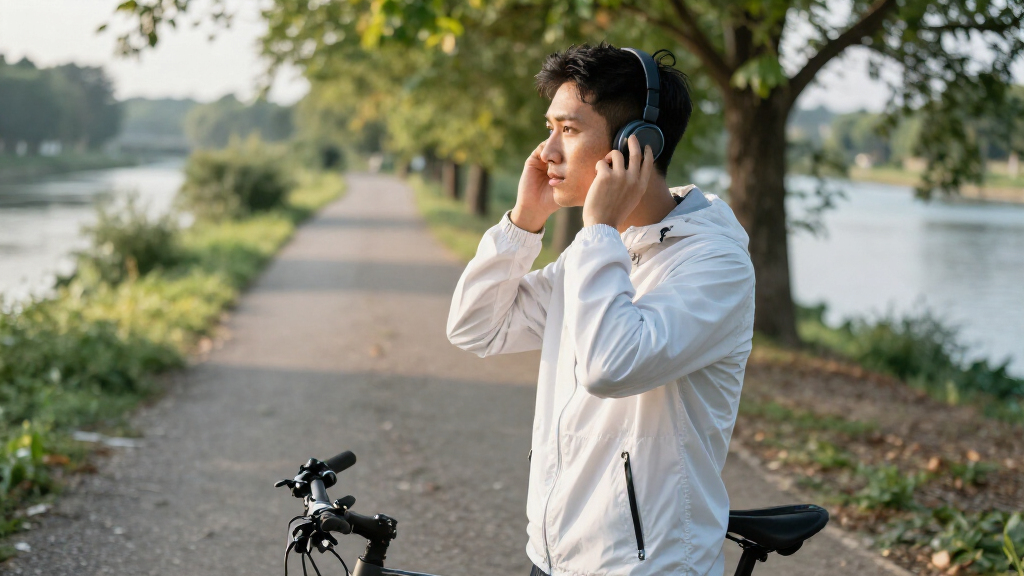
The best bone conduction headphones keep your ears open while making music, podcasts, or calls easier to hear on the move. The SHOKZ OpenRun Pro 2 is my best overall pick for buyers who want a feature-rich sports model, while the OpenMove is a simpler starting point and the Sanag B33 stands out for built-in MP3 storage and waterproof use. The main tradeoffs are sound fullness versus awareness, a secure fit versus comfort over long sessions, and Bluetooth convenience versus onboard playback. Models also vary sharply in their call features and suitability for swimming. Read on for a comparison of all 14 options and guidance on which differences matter most to your routine.

Get everyday helpers delivered free with Prime
- Fast, free delivery on millions of items
- Prime Video, Amazon Music and more included
- Member-only deals all year
Complete the kit


Key Takeaways
- SHOKZ OpenRun Pro 2 is the strongest all-round sports-oriented choice in this lineup, while its more feature-rich design may be unnecessary for casual listening.
- Shokz OpenMove offers a more straightforward entry point than the premium OpenRun models; buyers seeking advanced sports features should compare it with the OpenRun Pro 2.
- Sanag B33 separates itself with 64GB of MP3 storage, a useful alternative when Bluetooth access is inconvenient, especially around water.
- OpenComm2 is the clear specialist for voice calls because its noise-canceling microphone gives it a different purpose from workout-first picks.
- The list includes multiple OpenMove and OpenRun listings, plus two Raycon models; buyers should check the exact generation and included features rather than assuming similar names mean identical specifications.


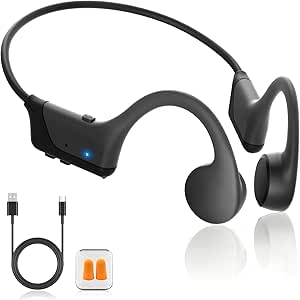


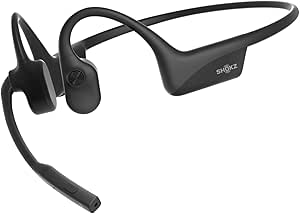
| bone conduction headphone | Battery life | Model | Water resistance | Weight |
|---|---|---|---|---|
| Shokz OpenMove Wireless Bone C | Up to 6 hours | AS660SG | IP55 | 29 g |
| SHOKZ OpenRun Bone Conduction | Up to 8 hours | — | IP67; not suitable for swimming | 26 g |
| Shokz OpenRun Wireless Bone Co | — | S803BK | — | 26 g |
| Sanag B33 Waterproof Bone Cond | — | B33 | IPX8; submersion up to 2 meters | — |
| Raycon Everyday Bone Conductio | Up to 16 hours | RBB843-26E-BLA | — | — |
| SHOKZ OpenRun Pro 2 Bone Condu | 12 hours | SHOKZ S820 | IP55 | — |
| SUUNTO Sonic Open-Ear Bluetoot | 10 hours | SUUNTO SONIC | IP55 | 30.6 g |
| AfterShokz Trekz Titanium Bone | Up to 6 hours | AS600SG | — | 59 g |
| Blrakx X27 Bone Conduction Hea | Up to 10 hours | X27 | IP55 | 29 g |
| Waterproof Open-Ear Bone Condu | Up to 10 hours | — | IP55 | 29 g |
| Shokz OpenMove Wireless Bone C | Up to 6 hours | OpenMove AS660 | — | 29 g |
| SHOKZ OpenRun Air 2 Bone Condu | Up to 10 hours | — | IP67; not for swimming or underwater use | 26.4 g |
| Raycon Bone Conduction Headpho | — | — | IP68 rating stated | — |
| Shokz OpenComm2 Open-Ear Bluet | Up to 16 hours talk time; up to 8 hours listening | OpenComm2 (C120) | IP55 | 35 g |
More Details on Our Top Picks
Shokz OpenMove Wireless Bone Conduction Headphones
The Shokz OpenMove is a straightforward pick for buyers who want open-ear listening without prioritizing sport-specific extras. Its 29 g frame keeps the fit light, while IP55 protection suits sweaty walks and light rain. Compared with the SHOKZ OpenRun, it gives up two hours of stated battery life and the stronger IP67 rating, but still covers routine commutes and shorter workouts. The tradeoff is a simpler listening experience: bone conduction leaves your ears open, but it won’t isolate you from noisy surroundings or match the fuller sound of conventional in-ear headphones. Its six-hour battery also makes it less suitable for long days away from a charger. I’d choose it for basic daily use, not for demanding training or all-day wear.
Pros:- Open-ear fit leaves the ear canal uncovered for awareness of nearby traffic and conversation.
- Light 29 g construction is suited to extended casual wear.
- IP55 water resistance covers sweat and light rain.
- Bluetooth 5.0 supports wireless pairing with compatible devices.
Cons:- Six hours of battery life is shorter than the SHOKZ OpenRun’s stated eight hours.
- IP55 protection is less suited to heavy rain and intense wet-weather training than the OpenRun’s IP67 rating.
- Open-ear bone conduction provides no noise isolation and may sound less full than in-ear alternatives.
Best for: Commuters and casual exercisers who want a lightweight open-ear headset for shorter outings and light-weather use.
Not ideal for: Long-distance runners and people who need stronger water protection or a battery that can last through a full day.
- Model:AS660SG
- Connectivity:Bluetooth 5.0
- Battery life:Up to 6 hours
- Water resistance:IP55
- Weight:29 g
- Driver type:Bone conduction
- Fit:Open ear
- Color:Slate Grey
Our verdict“Choose the OpenMove for lightweight everyday listening and shorter workouts, but pick the SHOKZ OpenRun for longer sessions or tougher weather.”
SHOKZ OpenRun Bone Conduction Open-Ear Bluetooth Sport Headphones, Black
The SHOKZ OpenRun is the more workout-ready choice here, combining a 26 g wraparound frame with IP67 water protection and up to eight hours of playback. That makes it a stronger match for regular runners than the Shokz OpenMove, whose IP55 rating and six-hour battery suit lighter routines. The OpenRun also supports quick charging: a ten-minute charge is stated to provide up to 1.5 hours of listening, useful when a workout is close and the battery is low. Its open-ear design helps preserve awareness, but it cannot block gym noise or deliver the isolation of earbuds. Swimming is off the table despite the waterproof rating, and the magnetic charging connection is a proprietary-style charging approach rather than a standard headphone jack. I’d favor it for training consistency over everyday simplicity.
Pros:- IP67 water resistance is better suited to wet, sweaty workouts than the OpenMove’s IP55 rating.
- Up to eight hours of battery life outlasts the OpenMove’s stated six hours.
- Ten-minute quick charge is stated to provide up to 1.5 hours of playback.
- Lightweight 26 g wraparound design stays out of the ear canal.
Cons:- Not suitable for swimming despite its IP67 rating.
- Open-ear listening does not block gym noise, wind, or other loud surroundings.
- Uses magnetic charging and has no headphone jack.
Best for: Runners and fitness users who train frequently outdoors and want a lightweight headset with stronger water protection and quick charging.
Not ideal for: Swimmers, buyers seeking noise isolation, or listeners who prefer a standard wired connection.
- Connectivity:Bluetooth 5.1
- Battery life:Up to 8 hours
- Quick charge:10 minutes for up to 1.5 hours of playback
- Water resistance:IP67; not suitable for swimming
- Weight:26 g
- Driver type:Bone conduction
- Bluetooth range:10 meters
- Color:Black
Our verdict“Pick the OpenRun for frequent outdoor training and quick top-ups, but skip it if you need swimming audio or noise isolation.”
Shokz OpenRun Wireless Bone Conduction Headphones, Black
At 26 g, the Shokz OpenRun is a sensible choice for buyers who put a low-profile, open-ear fit ahead of detailed feature claims. It connects over Bluetooth 5.2 and uses media controls, making it a simple wireless option for everyday movement. Compared with the SHOKZ OpenRun listing in this roundup, this version’s supplied product data does not confirm an IP rating, battery life, or quick-charge performance. That missing detail makes it harder to recommend for hard training, where the other OpenRun listing specifies IP67 protection and eight hours of playback. Its open design is useful when you want to hear your surroundings, but it also leaves music exposed to ambient noise. I’d choose this model for lightweight listening when its fit and basic Bluetooth setup matter more than documented endurance or water protection.
Pros:- Light 26 g build is among the lightest options listed here.
- Open-ear design leaves the ear canal unobstructed.
- Bluetooth 5.2 provides wireless connectivity to compatible devices.
- Media controls allow playback adjustments from the headset.
Cons:- The supplied product data does not specify a water-resistance rating.
- Battery life is not provided, making it difficult to judge suitability for long outings.
- Open-ear listening offers no noise isolation in loud environments.
Best for: People who want a light open-ear headset for walks, errands, or moderate exercise and do not need verified water-resistance details.
Not ideal for: Swimmers, heavy sweaters, and endurance athletes who need a clearly stated water rating and battery runtime.
- Model:S803BK
- Connectivity:Bluetooth 5.2
- Bluetooth range:10 meters
- Weight:26 g
- Driver type:Bone conduction
- Fit:Open ear
- Controls:Media control
- Color:Black
Our verdict“Choose this OpenRun when low weight and basic wireless listening matter most, but favor the other SHOKZ OpenRun listing for documented workout durability and runtime.”
Sanag B33 Waterproof Bone Conduction Headphones with 64GB MP3, Orange
The Sanag B33 fills a gap the SHOKZ OpenRun cannot: it is rated IPX8 for submersion up to 2 meters and has 64GB of built-in storage for listening without a phone. That offline playback matters in the pool because Bluetooth signals do not travel underwater; swimming requires using the MP3 mode, not a live phone connection. Its up-to-ten-hour playback claim and ENC microphone also make it more versatile outside the water than a swim-only player. The tradeoffs are a roughly two-hour charge and conflicting playback claims in the supplied details, which list both ten and twelve hours. Compared with the OpenRun’s clearer workout-focused profile, the B33 is the specialist pick for aquatic use, with less certainty around its actual runtime. I’d select it for pool sessions, not as the simplest all-purpose headset.
Pros:- IPX8 rating supports submersion up to 2 meters.
- 64GB built-in storage enables phone-free MP3 playback in the pool.
- Up to ten hours of playback is stated for extended listening.
- ENC microphone is designed to reduce background noise on calls.
Cons:- Bluetooth cannot transmit underwater, so swimming requires stored MP3 playback.
- Playback time is inconsistent across the supplied product details, which state up to ten and twelve hours.
- A roughly two-hour charge is less convenient for quick top-ups than the SHOKZ OpenRun’s stated quick-charge feature.
Best for: Swimmers who want stored music during pool sessions, plus open-ear playback for land workouts.
Not ideal for: Buyers who rely on Bluetooth streaming while swimming or need a clearly consistent battery-life specification.
- Model:B33
- Water resistance:IPX8; submersion up to 2 meters
- Built-in storage:64GB
- Bluetooth:Version 6.0
- Bluetooth range:Up to 50 ft (15 m)
- Playback time:Up to 10 hours in description; another supplied detail states up to 12 hours
- Charge time:Approximately 2 hours
- Call noise control:Environmental Noise Cancellation (ENC)
- Color:Orange
Our verdict“Choose the Sanag B33 if you need stored music while swimming; for land-only training with clearer runtime details, the SHOKZ OpenRun is the safer pick.”
Raycon Everyday Bone Conduction Headphones, 2nd Gen, Black
The Raycon Everyday Bone Conduction Headphones stand apart with a stated 16-hour battery life, double the SHOKZ OpenRun’s eight-hour figure. That makes them a better fit for long commutes or back-to-back listening when frequent charging is inconvenient. The included wireless charging case and two fit sizes also give buyers more flexibility than the Shokz OpenMove, which lists a single lightweight design and six-hour runtime. Raycon claims IP67 water and dust resistance, supporting workout and commuting use, though the product data does not specify its Bluetooth version or weight. Like the other open-ear models here, it cannot isolate music from traffic or noisy rooms; bone conduction can also sound less immersive than in-ear designs. I’d put it ahead for endurance and fit options, not for listeners who want a quiet, sealed listening experience.
Pros:- Up to 16 hours of stated battery life exceeds the SHOKZ OpenRun’s eight-hour claim.
- Wireless charging case is included for added charging flexibility.
- Regular and small fit options can help buyers find a more secure fit.
- IP67 water and dust resistance suits workouts and commuting in wet conditions.
Cons:- Open-ear design provides no noise isolation in loud environments.
- Bone conduction may sound less immersive than conventional in-ear headphones.
- The supplied specifications do not list Bluetooth version or headset weight.
Best for: Commuters and active users who need long stated battery life, a charging case, and a choice of regular or small fit.
Not ideal for: Listeners in loud workplaces or transit who need noise isolation, or shoppers who require documented Bluetooth version and headset weight.
- Model:RBB843-26E-BLA
- Connectivity:Bluetooth; version not specified
- Battery life:Up to 16 hours
- Water and dust resistance:IP67
- Included accessory:Wireless charging case
- Fit options:Regular and small
- Warranty:1-year limited warranty
- Color:Black
Our verdict“Choose Raycon for long listening stretches and multiple fit sizes, but pick a noise-isolating headset if you often listen in loud places.”
SHOKZ OpenRun Pro 2 Bone Conduction Bluetooth Sport Headphones, Black
The OpenRun Pro 2 is the sound-focused choice here: its DualPitch system pairs bone-conduction highs with air-conduction bass, giving workouts more low-end weight than the simpler bone-conduction designs of the SUUNTO Sonic and AfterShokz Trekz Titanium. You can also switch EQ modes in the Shokz app, including a Classic Mode for bone-conduction-only playback. Its open-ear fit keeps ambient sounds accessible, while the memory-wire frame and ear hooks are intended to stay steady during movement. A 12-hour battery outlasts both those alternatives, and wind-resistant microphones plus noise reduction target clearer calls outdoors. The tradeoff is that this is still an open-ear design, not a substitute for sealed headphones when you want deep isolation or privacy; the product information also lists only IP55 protection, not full waterproofing.
Pros:- DualPitch combines bone-conduction highs with air-conduction bass for fuller-sounding music.
- 12-hour battery life exceeds the listed runtimes of the SUUNTO Sonic and Trekz Titanium.
- App EQ modes let listeners switch sound profiles for different environments.
- Wind-resistant microphones and noise reduction are designed to improve outdoor calls.
Cons:- Open-ear playback cannot provide the isolation or privacy of sealed headphones.
- IP55 protection is aimed at sweat and light moisture, not swimming or rinsing.
- The added air-conduction component may not suit buyers seeking a strictly bone-conduction listening experience.
Best for: Runners and cyclists who want a longer-lasting open-ear headset with fuller workout audio and frequent outdoor calls.
Not ideal for: Listeners seeking sealed noise isolation, strong bass on par with in-ear headphones, or a headset for swimming.
- Model:SHOKZ S820
- Audio:DualPitch bone- and air-conduction drivers
- Battery life:12 hours
- Charging time:1 hour
- Bluetooth:Version 5.3; range up to 33 feet
- Water resistance:IP55
- Frame materials:Nickel-titanium alloy, plastic, and silicone
- Microphones:Dual wind-resistant microphones with AI noise reduction
Our verdict“Choose the OpenRun Pro 2 if fuller workout sound, outdoor calls, and a 12-hour battery matter more than sealed isolation.”
SUUNTO Sonic Open-Ear Bluetooth Bone Conduction Headphones – Lime
The SUUNTO Sonic is a practical pick for people who move between a phone and another Bluetooth device during training or work. Its multipoint connectivity gives it a useful advantage over the single-device details provided for the Blrakx X27, while aptX-Adaptive support and dual microphones add flexibility for audio and calls. At 30.6 grams, it is light enough for extended sessions, and the titanium alloy frame is built around an open-ear design that preserves awareness outdoors. Battery life reaches 10 hours, matching the X27 but falling short of the SHOKZ OpenRun Pro 2. A five-minute charge is listed to provide 90 minutes of use, which helps when a workout is close and the battery is low. Its IP55 rating handles sweat and light rain, but not swimming or faucet rinsing; bass also remains limited compared with sealed headphones.
Pros:- Multipoint Bluetooth supports switching between compatible devices.
- Five minutes of charging is listed to provide up to 90 minutes of use.
- Lightweight 30.6-gram frame is suited to longer workouts.
- Dual microphones with cVc noise suppression support hands-free calls.
Cons:- Its 10-hour runtime is shorter than the OpenRun Pro 2’s 12 hours.
- IP55 is not a swimming rating and does not support faucet rinsing.
- Bone-conduction playback has less bass depth than conventional in-ear headphones.
Best for: Athletes and multitaskers who regularly switch between two Bluetooth devices and want quick charging for training.
Not ideal for: Swimmers, listeners who need powerful bass, or buyers prioritizing the longest battery life in this group.
- Model:SUUNTO SONIC
- Audio technology:Bone conduction with aptX-Adaptive support
- Bluetooth:Version 5.2 with multipoint connectivity
- Battery life:10 hours
- Charging:1 hour for a full charge; 5 minutes for up to 90 minutes of use
- Weight:30.6 g
- Water resistance:IP55
- Microphones:Dual built-in HD microphones with cVc noise suppression
Our verdict“Pick the SUUNTO Sonic if multipoint pairing and a quick top-up matter more than maximum battery life or deep bass.”
AfterShokz Trekz Titanium Bone Conduction Wireless Headphones, Slate Grey
The Trekz Titanium covers the basics: a flexible wraparound frame, bone-conduction audio, and an open-ear fit that leaves surrounding sounds audible. That straightforward approach suits buyers who do not need the newer connectivity and longer runtimes of the SUUNTO Sonic or SHOKZ OpenRun Pro 2. It also includes multipoint pairing, useful for connecting compatible devices, and IP55 protection for sweat, dust, and moisture during ordinary workouts. The main compromise is age reflected in the listed Bluetooth 4.1 and battery life of up to six hours, well below the 10-hour Sonic and 12-hour OpenRun Pro 2. At 59 grams, it is also heavier than the newer SUUNTO. This is a basic exercise option, not the strongest choice for long outings, modern wireless features, or private listening.
Pros:- Open-ear design keeps surrounding sounds audible during exercise.
- Flexible wraparound frame is designed to stay in place during movement.
- IP55 protection covers sweat, dust, and moisture.
- Multipoint pairing supports connections to compatible devices.
Cons:- Up to six hours of battery life is notably less than the SUUNTO Sonic and OpenRun Pro 2.
- Bluetooth 4.1 is an older connection specification than the versions listed for those newer models.
- At 59 grams, it is heavier than the 30.6-gram SUUNTO Sonic.
Best for: Casual exercisers who want a simple wraparound bone-conduction headset for shorter workouts and do not need a long runtime.
Not ideal for: Endurance athletes, buyers who want newer Bluetooth features or all-day battery life, and anyone needing sound isolation.
- Model:AS600SG
- Audio technology:Bone conduction
- Design:Open-ear, wraparound
- Bluetooth:Version 4.1 with multipoint pairing
- Battery life:Up to 6 hours
- Water and dust resistance:IP55
- Weight:59 g
- Color:Slate Grey
Our verdict“Choose the Trekz Titanium for basic open-ear workouts if its six-hour runtime and older Bluetooth connection fit your routine.”
Blrakx X27 Bone Conduction Headphones
The Blrakx X27 focuses on a low-weight sport fit: its listed 29-gram titanium frame is lighter than the SUUNTO Sonic at 30.6 grams and much lighter than the AfterShokz Trekz Titanium at 59 grams. A claimed 10-hour battery and IP55 rating make the published specs suitable for running and cycling in sweat or light rain, while USB-C charging is a convenient everyday detail. The open-ear design keeps ambient sound accessible, but it does not make the headset private; the product description acknowledges that leakage can still occur. Audio is also subject to the usual bone-conduction compromise, with less bass depth than sealed headphones. Compared with the more established-featured OpenRun Pro 2, the X27 lists no companion EQ modes or microphone specifications, so it suits buyers who value a light frame and basic workout use over richer documented features.
Pros:- 29-gram titanium frame is lighter than the listed SUUNTO Sonic and Trekz Titanium.
- Claimed 10-hour battery life supports extended workouts.
- USB Type-C charging uses a common charging connection.
- IP55 rating is intended for sweat and light moisture during outdoor activity.
Cons:- Sound leakage may remain audible to people nearby.
- Bone-conduction audio offers less bass depth than sealed in-ear headphones.
- Product details do not specify microphone performance or app-based sound controls, unlike the OpenRun Pro 2 listing.
Best for: Runners and cyclists seeking a lightweight open-ear frame, USB-C charging, and a stated 10-hour runtime.
Not ideal for: Buyers who want documented call features, app-based sound controls, strong bass, or a swimming-ready headset.
- Model:X27
- Audio technology:Bone conduction
- Bluetooth:Version 5.4
- Weight:29 g
- Battery life:Up to 10 hours
- Charging interface:USB Type-C
- Water resistance:IP55
- Color:Light Black
Our verdict“The X27 suits active buyers who prioritize a very light frame and basic workout specs over richer sound controls and documented call features.”
Waterproof Open-Ear Bone Conduction Headphones, Bluetooth 6.0 Wireless Earbuds with Long Battery Life, Ultra-Light Stable Connection, Ideal for Running, Cycling, Workout, Hiking
This generic open-ear model offers a familiar sports setup: a 29-gram titanium frame, claimed 10-hour battery life, USB-C charging, and an IP55 rating. Those headline figures resemble the Blrakx X27, making direct comparisons difficult; the supplied information does not identify a distinct model name or give measured audio or call performance. Its Bluetooth 6.0 claim is newer on paper than the X27’s Bluetooth 5.4, but buyers should not treat that version number alone as proof of better sound or connection reliability. The design keeps ears uncovered for awareness, while its stated leakage reduction cannot eliminate the privacy limits of open-ear listening. Unlike the SHOKZ OpenRun Pro 2, the description provides no app EQ details or specific wind-microphone information. Consider it for simple workouts, but choose a better-documented option if call quality or sound tuning matters.
Pros:- Listed 29-gram titanium frame is designed for a light, flexible fit.
- Claimed battery life of up to 10 hours suits longer workout sessions.
- USB-C fast charging avoids a less common charging connection.
- Open-ear design leaves surrounding sounds accessible while exercising.
Cons:- IP55 does not mean the headset is suitable for swimming.
- The claimed reduction in sound leakage does not remove the privacy limits of open-ear playback.
- Compared with the OpenRun Pro 2, the listing lacks specific EQ options and detailed microphone performance.
Best for: Runners and hikers who want a lightweight open-ear headset with USB-C charging and do not need detailed app or call controls.
Not ideal for: Buyers who need verified call performance, dependable privacy, swimming protection, or a clearly differentiated model with detailed specifications.
- Audio technology:Bone conduction
- Bluetooth:Version 6.0
- Weight:29 g
- Battery life:Up to 10 hours
- Charging interface:USB Type-C
- Water resistance:IP55
- Noise control:Active noise cancellation claimed in product data
- Bluetooth range:15 meters
Our verdict“Choose this model for straightforward workouts and USB-C convenience, but favor a better-documented headset if calls or sound customization matter.”
Shokz OpenMove Wireless Bone Conduction Open-Ear Headphones
The OpenMove is a straightforward pick for buyers who want open-ear listening for walks, commutes, and moderate workouts without a specialized feature set. Its 29 g titanium frame keeps the fit light, while Bluetooth 5.0 and USB-C charging cover the basics without an unusual charging cable. Compared with the newer OpenRun Air 2, it gives up battery life, a lighter frame, app-based EQ, and a quick-charge option; its six-hour maximum is better suited to shorter outings than all-day use. The payoff is a simpler choice if those upgrades are not priorities. Its open design leaves ears unobstructed, but it also means outside noise remains audible and music will not feel sealed or immersive. The two-year warranty adds reassurance, though the lack of a headphone jack rules out wired listening.
Pros:- Lightweight 29 g titanium frame suits extended everyday wear
- Open-ear fit leaves the ear canal unobstructed
- USB-C charging is convenient for owners of compatible cables
- Two-year warranty is specified
Cons:- Up to six hours of battery life is shorter than the OpenRun Air 2’s stated ten hours
- No headphone jack for wired playback
- Open-ear listening does not block surrounding noise
Best for: Walkers and casual exercisers who want a lightweight, open-ear headset with USB-C charging and do not need marathon battery life.
Not ideal for: Runners or commuters who need longer listening sessions, quick charging, or a wired fallback; the OpenRun Air 2 offers a longer stated battery life and quick-charge support.
- Model:OpenMove AS660
- Audio technology:Bone conduction
- Fit:Open ear
- Weight:29 g
- Bluetooth:Version 5.0; 10 m range
- Battery life:Up to 6 hours
- Charging:USB-C; approximately 2 hours
- Frame material:Titanium
- Warranty:2 years
Our verdict“Choose the OpenMove for uncomplicated everyday open-ear listening, but pick the OpenRun Air 2 if you need longer battery life and quick charging.”
SHOKZ OpenRun Air 2 Bone Conduction Open-Ear Bluetooth Headphones, Black
The OpenRun Air 2 is the most workout-focused choice here for runners who want a secure fit and more listening time between charges. At 26.4 g, it is lighter than the OpenMove, and its memory-alloy earhooks are designed to stay put through repeated movement. The stated 10-hour battery and five-minute quick charge that adds up to two hours make it a stronger option for long training days than the OpenMove’s six-hour limit. Four preset and two custom EQ profiles through the Shokz app offer more sound adjustment than the simpler OpenMove. Its IP67 rating suits rain and sweat, but the product is explicitly not for swimming. A tradeoff: the listed package does not include a charging cable, and open-ear construction still cannot isolate music from busy surroundings.
Pros:- 26.4 g frame is lighter than the OpenMove
- Stated 10-hour playtime with five-minute quick charging
- Memory-alloy earhooks are designed to stay secure during movement
- IP67 water-resistance rating and Shokz app EQ profiles
Cons:- Not suitable for swimming or underwater activities
- Charging cable is not included according to the listing
- Open-ear fit offers no passive noise isolation
Best for: Runners and cyclists who want a light, secure open-ear fit, longer sessions between charges, and app-based EQ adjustment.
Not ideal for: Swimmers, buyers who need noise isolation, or anyone who expects a charging cable in the box; this model is not intended for underwater use and the listing says the cable is not included.
- Audio technology:Bone conduction
- Fit:Open ear
- Weight:26.4 g
- Bluetooth:Version 6.0 stated in description
- Battery life:Up to 10 hours
- Quick charge:5 minutes provides up to 2 hours of use
- Water resistance:IP67; not for swimming or underwater use
- Audio adjustment:Shokz app with 4 presets and 2 custom EQ profiles
- Weight and fit materials:26.4 g; memory-alloy earhooks
Our verdict“Pick the OpenRun Air 2 for longer, active sessions and a more adjustable fit, provided you do not need swimming protection or a cable in the box.”
Raycon Bone Conduction Headphones – Open Ear Running Headphones & Bluetooth Earbuds, Gray
Raycon’s distinct feature is its sliding earbud position, which lets the wearer move the contact points closer for louder playback or farther back to leave more awareness of the surroundings. That makes this a flexible pick for workouts and casual use, though the listing gives no battery-life figure, so it is harder to compare session endurance with the OpenRun Air 2 or the six-hour OpenMove. Raycon claims an IP68 rating and uses a magnetic charging cable, but the supplied information does not clarify swimming suitability or provide a charging time. The advertised jack details are also unclear: the listing mentions a 6.35 mm jack alongside wireless operation, so buyers should verify what that connection supports. Its adjustable contact position may appeal to listeners who want control, but those wanting well-documented specs may prefer a Shokz model.
Pros:- Sliding contact points allow adjustment of listening position
- Open-ear design keeps the ears unobstructed
- IP68 water-resistance rating is stated
- Magnetic charging cable is specified
Cons:- Battery life and charging time are not provided
- The listed 6.35 mm jack detail is unclear alongside the wireless description
- No stated weight or detailed fit measurements for comparison
Best for: Active listeners who want to adjust where the bone-conduction contact points sit and value a stated high water-resistance rating.
Not ideal for: Buyers who need a clearly documented battery runtime, charging details, or unambiguous wired connectivity; the listing leaves those points unclear.
- Audio technology:Bone conduction
- Fit:Open ear
- Bluetooth:Version 5.3; 33 ft range
- Water resistance:IP68 rating stated
- Charging:Magnetic charging cable
- Driver size:16 mm
- Frequency response:20 kHz listed
- Controls:Button and touch controls listed
- Microphone:Included
Our verdict“Consider Raycon if adjustable contact placement is your priority, but choose the OpenRun Air 2 for clearer battery and charging specifications.”
Shokz OpenComm2 Open-Ear Bluetooth Headset with Noise-Canceling Mic
The OpenComm2 is the clear work-first option in this group: its noise-canceling microphone with DSP, multipoint pairing, and stated 16 hours of talk time prioritize calls over workout-friendly music features. Multipoint is especially useful for people moving between a computer and phone, while its five-minute quick charge is listed to add two hours of talk time. Compared with the OpenRun Air 2, this headset is heavier at 35 g and has a shorter stated listening runtime of eight hours versus ten, but it offers the more call-oriented microphone and device switching. The IP55 rating helps with sweat and light exposure to water, not swimming. Like the other open-ear choices, it provides no passive noise isolation for the listener, so noisy offices can still make it harder to hear incoming audio.
Pros:- Noise-canceling microphone with DSP is tailored to clearer calls
- Multipoint pairing supports switching between two devices
- Up to 16 hours of talk time and five-minute quick-charge support
- USB-C charging and IP55 water resistance
Cons:- At 35 g, it is heavier than the OpenRun Air 2
- Open-ear design does not passively block nearby noise
- Eight-hour listening runtime is shorter than the OpenRun Air 2’s stated ten hours
Best for: Remote workers and mobile professionals who take frequent calls and switch between a phone and computer during the day.
Not ideal for: Swimmers, listeners seeking immersive music or noise isolation, and runners prioritizing the lightest fit; the OpenRun Air 2 weighs less and has a longer stated listening runtime.
- Model:OpenComm2 (C120)
- Audio technology:Bone conduction
- Weight:35 g
- Battery life:Up to 16 hours talk time; up to 8 hours listening
- Charging:USB-C; 5-minute charge provides up to 2 hours of talk time
- Connectivity:Bluetooth 5.1 with multipoint pairing
- Water resistance:IP55
- Microphone:Noise-canceling microphone with DSP
- Warranty:2 years
Our verdict“Choose the OpenComm2 for call-heavy work and multipoint device switching, not for the lightest workout fit or immersive listening.”
How We Picked
I ranked these headphones by how well their listed features serve common bone-conduction use cases: running and workouts, everyday open-ear listening, swimming or wet conditions, and calls. I gave weight to fit and stability, water protection, battery and playback options, microphone features, and how clearly each model’s intended use is described. Open-ear designs can help listeners remain aware of surrounding sounds, but they cannot guarantee that a wearer will hear every hazard, so I treated awareness as a benefit—not a substitute for safe listening habits.
The ranking favors models with a clear role and useful feature set for their likely buyer, rather than treating every product as interchangeable. The OpenRun Pro 2 leads for its sports-focused positioning, while the OpenMove serves buyers who want a simpler option; the Sanag B33 and OpenComm2 rank for specific needs, not broad appeal. Listings with sparse or broad product descriptions rank lower because buyers have less information to compare fit, controls, and intended use. Duplicate or closely named listings are called out so readers can verify the exact model before choosing.
| bone conduction headphone | Water resistance | Color | Audio technology |
|---|---|---|---|
| Shokz OpenMove Wireless Bone C | IP55 | Slate Grey | — |
| SHOKZ OpenRun Bone Conduction | IP67; not suitable for swimming | Black | — |
| Shokz OpenRun Wireless Bone Co | — | Black | — |
| Sanag B33 Waterproof Bone Cond | IPX8; submersion up to 2 meters | Orange | — |
| Raycon Everyday Bone Conductio | — | Black | — |
| SHOKZ OpenRun Pro 2 Bone Condu | IP55 | — | — |
| SUUNTO Sonic Open-Ear Bluetoot | IP55 | — | Bone conduction with aptX-Adaptive support |
| AfterShokz Trekz Titanium Bone | — | Slate Grey | Bone conduction |
| Blrakx X27 Bone Conduction Hea | IP55 | Light Black | Bone conduction |
| Waterproof Open-Ear Bone Condu | IP55 | — | Bone conduction |
| Shokz OpenMove Wireless Bone C | — | — | Bone conduction |
| SHOKZ OpenRun Air 2 Bone Condu | IP67; not for swimming or underwater use | — | Bone conduction |
| Raycon Bone Conduction Headpho | IP68 rating stated | — | Bone conduction |
| Shokz OpenComm2 Open-Ear Bluet | IP55 | — | Bone conduction |
Factors to Consider When Choosing Best Bone Conduction Headphones
Bone conduction headphones are a compromise by design: they trade some conventional headphone sound characteristics for an open-ear fit. I’d start with where and how you’ll use them, then check the practical details that shape comfort, safety, and compatibility. These broader checks can prevent a mismatch even when a product looks right on paper.
Match Water Protection to the Activity
“Waterproof” and “sweat-resistant” are not interchangeable claims, and neither automatically means a headphone is suitable for swimming. Check the manufacturer’s stated water rating and permitted uses before taking a model into a pool, shower, or open water. For workouts, sweat protection may be enough, while swimming can call for onboard playback because Bluetooth signals do not travel reliably through water. A built-in MP3 player, like the storage feature listed for the Sanag B33, can address that connection problem, but confirm how files are loaded and what controls work underwater. A common mistake is to choose by a product title alone instead of matching its documented protection to the activity.
Treat Fit as a Personal Compatibility Check
Bone-conduction models sit around the head and place contact points near the ears, so head shape, glasses, hats, and helmet straps can affect comfort. A design that stays put for running may feel tight during a long workday, while a loose fit can move during vigorous exercise. Look for return terms and fit guidance before buying, especially if you have not worn this style before. Check whether the band or transducers could press against eyewear arms or interfere with a cycling helmet. The right fit should feel stable without needing constant adjustment; a long feature list cannot compensate for a poor match.
Set Expectations for Sound and Listening Privacy
Open-ear bone conduction does not seal the ear canal, so it generally cannot provide the same isolation or bass sensation as sealed earbuds. That can be an advantage outdoors, where you may want to hear traffic and other environmental sounds, but it also means nearby people could hear some audio, particularly at higher volume. If you need quiet listening on a commute or in a shared office, consider whether an open design suits that setting. Do not raise the volume to compensate for loud surroundings; move to a quieter place or choose a different listening style when needed. These headphones can support awareness, but they do not replace looking and listening carefully around roads or machinery.
Choose Bluetooth or Built-In Playback for Your Routine
Bluetooth is convenient when your phone is nearby and you want streaming, calls, or quick control from a connected device. Onboard storage is more useful when carrying a phone is awkward, when a connection may be unreliable, or during water-based activity. Before paying for a player, check file format support, transfer method, storage capacity, and whether the controls are easy to use without looking. If nearly all your listening happens with a phone in a pocket, onboard storage may add little practical value. The key is to buy for the way you actually access audio, not simply for the largest number of playback options.
Prioritize the Microphone Only If Calls Matter
Microphone quality can matter more than music features for work calls, outdoor meetings, or hands-free communication. A dedicated boom or noise-reducing microphone, such as the feature positioning of the OpenComm2, addresses a different problem from a basic headset mic. Still, noise reduction does not promise clear calls in every windy or crowded setting, so check the product’s microphone details and intended environment. For mostly music-focused workouts, a call-oriented design may add bulk or features you rarely use. If calls are central to your routine, verify device compatibility and controls before choosing based on the microphone label alone.
Compare Exact Model Names and Generations
Several entries here have closely related names: the list includes two OpenMove listings, multiple OpenRun variants, and two Raycon options. Similar naming does not prove that hardware, included accessories, or specifications match, so compare the exact model and generation on the retailer page. Pay attention to whether a listing says Pro, Air, or a generation number, and confirm the color and package contents. Broad marketplace titles can combine several use-case claims without explaining which features belong to the specific version. When details are unclear, favor a listing with a precise model identifier and manufacturer documentation over assumptions based on the family name.
Frequently Asked Questions
Can I use bone conduction headphones for swimming?
Some models are designed for water use, but a waterproof label alone does not confirm they are suitable for swimming. Check the exact model’s water-protection rating and the manufacturer’s stated activity limits before bringing it into a pool. Bluetooth is unreliable underwater, so built-in storage can be more practical than phone streaming for laps. The Sanag B33 is the standout in this roundup for its listed 64GB MP3 storage, but you should still verify its water-use instructions. If your main activity is swimming, choose based on confirmed swim suitability and playback method rather than the word “waterproof” in a title.
Are bone conduction headphones a good choice for cycling?
An open-ear fit may let you hear more of your surroundings than sealed earbuds, which can be useful outdoors, but it cannot guarantee that you will notice every vehicle or warning sound. Fit matters: check that the frame works with your helmet and does not shift when you move. Keep volume low enough to remain aware, follow local rules, and avoid using any headphones when they distract from safe riding. A stable sports model such as an OpenRun option may suit active use better than a call-focused headset. Choose based on helmet compatibility and safe listening habits, not just a workout label.
Should I choose the OpenRun Pro 2 or the OpenMove?
Choose the OpenRun Pro 2 if you want a more feature-focused sports option and expect to use your headphones frequently for training. The OpenMove is the more straightforward fit for buyers who want an entry-level approach to open-ear listening without prioritizing the Pro model’s positioning. Compare the exact listing details, because this roundup contains more than one OpenMove listing and model names can be easy to confuse. Think about fit, water protection, controls, and the activities you actually do rather than assuming the more advanced name is automatically a better match. If your use is occasional, the simpler option may cover the essentials.
Will people nearby hear what I’m listening to?
They may hear some audio, since bone-conduction headphones do not seal the ears like in-ear or over-ear designs. How much sound carries depends on volume, fit, surroundings, and the specific model. Lowering the volume can reduce sound leakage and makes open-ear listening more considerate in shared spaces. If privacy is a priority for calls or music, an open design may not be the right tool for quiet offices or public transport. Try to match the headphone style to the setting rather than expecting an open-ear model to provide private, isolated listening.
Which model should I choose if calls matter more than workouts?
The SHOKZ OpenComm2 is the most call-oriented option in this lineup because it is listed with a noise-canceling microphone. That makes it a more relevant starting point for frequent voice communication than workout-first models such as the OpenRun Pro 2. Check the exact microphone design, device compatibility, and call controls before buying, since those details affect daily use. A noise-canceling microphone can help with background sound, but it does not guarantee clear speech in every noisy environment. If calls are occasional and exercise is your main use, a sports model may be the better fit.
Conclusion
For the broadest sports-focused recommendation, I’d start with the SHOKZ OpenRun Pro 2; it is my best overall pick for buyers who want a feature-rich workout model. The Shokz OpenMove is my best value-style choice and best for beginners among these options, since its simpler positioning suits people trying open-ear listening without aiming for a premium sports model. For a premium-leaning sports option, compare the OpenRun Pro 2 with the standard OpenRun listings and confirm the exact generation and features. If you need onboard audio for water-based use, investigate the Sanag B33 and verify its swimming guidance; for frequent calls, choose the OpenComm2. Before ordering, match the precise model name to your activity, fit needs, and playback habits.