
Dubbing for accessibility helps you enjoy media fully by providing audio descriptions of visual elements like settings, actions, and expressions. These narrated explanations make it easier for visually impaired viewers to follow stories and understand key details. Sign language interpreters can also be included to guarantee deaf or hard-of-hearing audiences can engage with content. When properly implemented, these services create a more inclusive experience for everyone. Keep exploring to learn more about how these features work seamlessly together.
Key Takeaways
- Dubbing enhances media accessibility by providing audio descriptions that narrate visual elements for visually impaired audiences.
- Audio description services clarify settings, actions, and expressions to ensure full content comprehension.
- Proper integration of dubbing and audio descriptions promotes inclusivity and a more equitable media experience.
- Collaboration with production teams is essential to seamlessly incorporate accessibility features without disrupting content flow.
- Offering these services demonstrates a commitment to accessibility, allowing visually impaired viewers to enjoy entertainment fully.
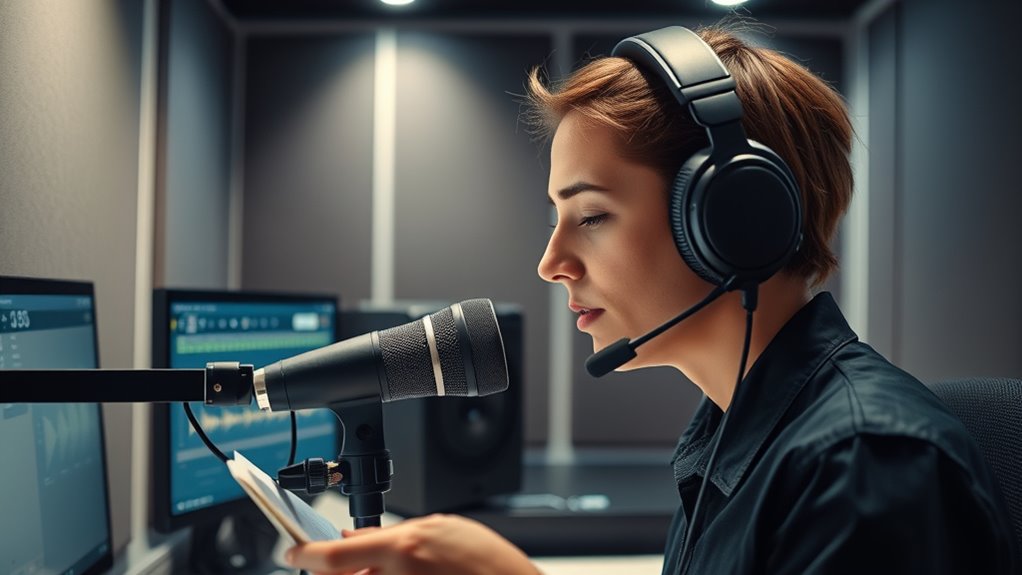
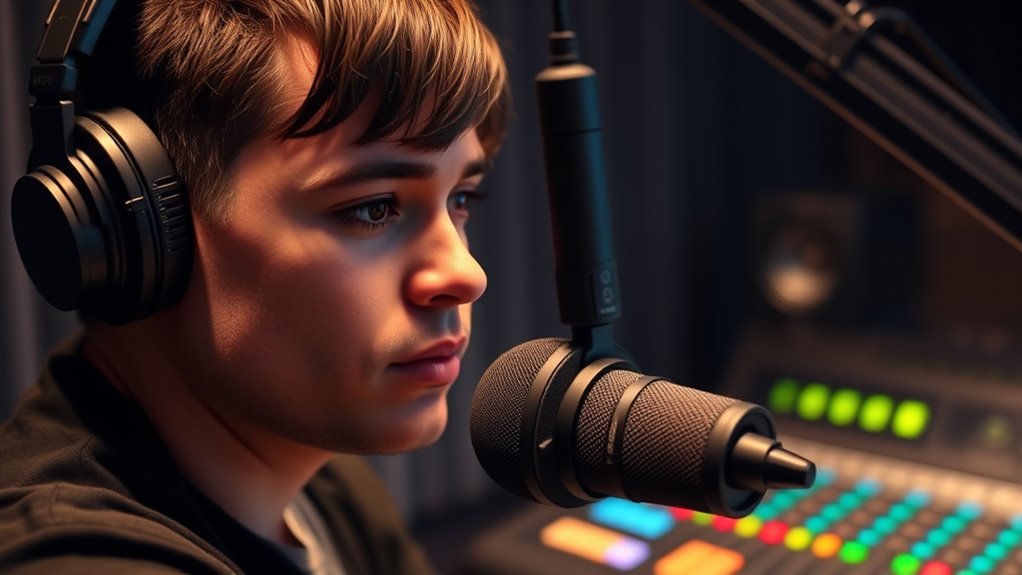
Dubbing for accessibility plays a essential role in making media content understandable and enjoyable for everyone. When it comes to reaching visually impaired audiences, audio description services become indispensable. These services provide a narrated explanation of key visual elements in movies, TV shows, and videos, allowing viewers to grasp the story’s context, setting, and actions that they can’t see. By integrating audio descriptions seamlessly into the viewing experience, you guarantee that visually impaired individuals can follow along with the plot and appreciate the full depth of the content. This not only enhances accessibility but also promotes inclusivity, letting everyone enjoy entertainment on equal footing.
Audio description services make media accessible and inclusive for visually impaired audiences.
In addition to audio descriptions, sign language interpretation plays a pivotal part in accessibility efforts. Sign language interpretation offers a visual means of understanding spoken dialogue for viewers who are deaf or hard of hearing. Skilled interpreters translate spoken words into sign language during live broadcasts or embed sign language interpretation into pre-recorded content, making it accessible in real-time or on demand. By providing clear, accurate interpretation, you help bridge communication gaps, ensuring that deaf audiences can fully engage with media content. Combining sign language interpretation with audio description services creates a complete approach, addressing the diverse needs of viewers with different disabilities.
These services require careful planning and expert execution. When producing content, you need to consider the timing and placement of audio descriptions so they don’t interfere with dialogue or sound effects. Similarly, sign language interpreters must be visible and positioned in a way that viewers can easily see them, especially during live broadcasts. This often involves working closely with production teams to integrate these accessibility features smoothly, without disrupting the viewer experience. The goal is to make accessibility features feel natural and unobtrusive, so they enhance understanding without distracting from the content itself.
Implementing these services isn’t just about compliance; it’s about making a genuine effort to include everyone. Whether it’s providing audio description services or ensuring sign language interpretation, your commitment to accessibility demonstrates respect for diverse audiences. It allows visually impaired viewers to immerse themselves in stories, to understand nuances, and to experience media fully. Additionally, understanding that regional legal resources and knowledgeable professionals can help guide the implementation process can improve the effectiveness of accessibility efforts. By prioritizing these accessibility features, you help foster a more equitable media landscape where everyone, regardless of their abilities, can enjoy entertainment equally and without barriers.

Bluetooth V5.2 Transmitter for TV, Dual Pair Wireless Audio Transmitter Compatible with Airpods Earbuds Speaker, 3.5mm Bluetooth Adapter for Flight, TV, PC, Gym Equipment, and Gaming Consoles
[Please Note] This bluetooth adapter support all TV’s with 3.5mm AUX audio port. Before purchase, please check your…
As an affiliate, we earn on qualifying purchases.
As an affiliate, we earn on qualifying purchases.
Frequently Asked Questions
How Are Dubbing Scripts Adapted for Visually Impaired Audiences?
You receive dubbing scripts that are adapted by integrating audio description, which provides essential visual details through narration. The script narration is carefully added to guarantee it describes actions, settings, and characters’ expressions without overlapping dialogue. This way, you can follow the story more easily, as the audio description enhances understanding without disrupting the original content. The result is a seamless experience that makes the content accessible and enjoyable for visually impaired audiences.
What Challenges Do Dubbing Studios Face in Accessibility Projects?
You face several challenges in accessibility projects, including managing budget constraints that limit resources and quality. Cultural sensitivities also pose difficulties, as you must guarantee the content respects diverse audiences without causing offense. Balancing accurate, respectful dubbing while staying within budget requires careful planning, skilled professionals, and creative solutions. Maneuvering these obstacles is crucial to delivering effective and inclusive content for visually impaired audiences.
How Is Quality Control Managed in Accessibility Dubbing?
You manage quality control in accessibility dubbing by implementing thorough quality assurance processes that adhere to strict technical standards. You review recordings for accuracy, clarity, and consistency, ensuring voice synchronization and audio quality meet the required benchmarks. Regular audits and feedback loops help catch errors early, allowing you to make necessary adjustments. This diligent approach guarantees that the final product effectively serves visually impaired audiences, maintaining high standards throughout the dubbing process.
Are There Specific Languages Prioritized for Accessibility Dubbing?
Sure, because everyone wants their story in Mandarin or Spanish, right? You’ll find that languages with wide speaker bases often get priority for accessibility dubbing, but cultural considerations matter just as much. Language diversity influences which languages are prioritized, making sure that visually impaired audiences worldwide can access content in their native tongue. So, while popular languages get attention, respecting cultural nuances ensures everyone feels included and understood.
What Technologies Support Dubbing for Visually Impaired Viewers?
You can use assistive listening devices and haptic feedback technology to support dubbing for visually impaired viewers. Assistive listening systems amplify audio, making dialogue clearer, while haptic feedback provides tactile cues that enhance understanding. These technologies work together to guarantee viewers experience seamless access to dubbing, enabling them to enjoy content more fully by engaging multiple senses. Incorporating these tools improves accessibility and viewer engagement considerably.

YCSPMO Sign Language Interpreter Gifts Deaf Charm ASL Hand Gesture Translator Gifts Sign Language Teacher Christmas Thank You Best Interpreter Ever WarmInterpreter Birthday Present
ASL Gifts: Proudly Declare "I SIGN"! This simple, powerful keychain is perfect for anyone passionate about American Sign…
As an affiliate, we earn on qualifying purchases.
As an affiliate, we earn on qualifying purchases.
Conclusion
By embracing dubbing for accessibility, you open doors to diverse, delighted audiences. Your dedication delivers dignity, diminishes divides, and demonstrates compassion. When you prioritize providing polished, purposeful services, you promote inclusion and inspire innovation. Let your efforts echo empathy, empower equality, and elevate entertainment for everyone. Together, through thoughtful translation and tender technology, you transform visuals into voices, turning accessibility into an act of advocacy. Make your mark—motivate, mobilize, and make a meaningful difference today.

PUPGSIS Over Ear Headphones Wired: Studio Monitor Headphones – Professional 40kHz Hi-Res DJ Stereo Headphones – 1/4 to 3.5mm Audio Jack for Recording/Mixing/Podcast/Guitar/Piano
🎧 High-Resolution Sound Quality: The studio headphones boast large 50mm unit drivers that produce dynamic bass, balanced mids,…
As an affiliate, we earn on qualifying purchases.
As an affiliate, we earn on qualifying purchases.
Hisense 32-Inch Class A4 Series HD 720p Smart Roku TV with Alexa Compatibility (32A4HNR) – Dolby Audio, Slim Bezel Design, Google Assistant
ROKU TV: Hisense Roku TV makes it easy to watch what you love with built-in streaming. Enjoy endless…
As an affiliate, we earn on qualifying purchases.
As an affiliate, we earn on qualifying purchases.