
Hyper-localized dubbing involves matching regional dialects and authentic speech patterns to make content feel genuine and relatable. When you use speech rhythms, colloquialisms, and accents true to a location, it deepens emotional impact and shows cultural respect. This careful attention helps viewers connect more meaningfully with characters and story. If you’d like to discover how this level of authenticity can elevate your projects, there’s more to explore just ahead.
Key Takeaways
- Hyper-localized dubbing involves detailed research and collaboration with regional experts to authentically replicate local speech patterns.
- Matching dialects enhances emotional engagement by aligning voice tone and colloquialisms with characters’ cultural backgrounds.
- Incorporating regional idioms and slang preserves cultural nuances, making characters feel genuine and relatable.
- The process requires extra time and resources to ensure speech rhythms, accents, and cultural context are accurately portrayed.
- Authentic regional dubbing fosters stronger viewer connections, demonstrates cultural respect, and elevates overall content quality.
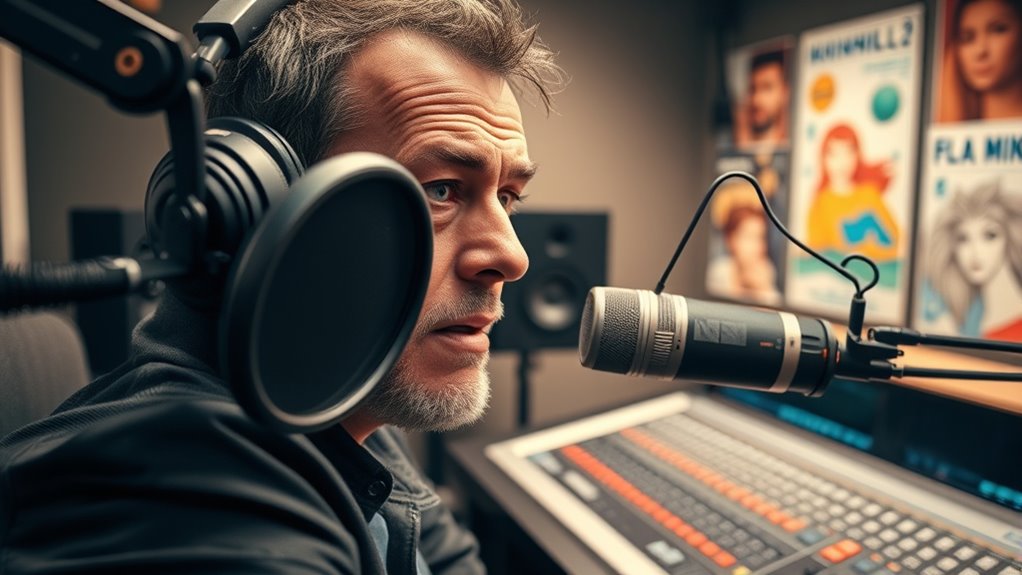
When it comes to making foreign films truly resonate with local audiences, localized dubbing plays a crucial role. One of the most effective ways to achieve this is by matching regional dialects and accents to the characters’ backgrounds. Audiences can tell when a voiceover doesn’t reflect the true speech patterns of a particular area, which can break immersion and reduce emotional impact. By carefully selecting voice actors who naturally embody specific regional accents, you help viewers feel as if the story was made just for them. This attention to detail shows respect for local linguistic diversity and demonstrates a genuine effort to connect culturally. It’s not just about changing words; it’s about capturing the essence of how people speak in different communities, capturing their unique speech rhythms, intonations, and colloquialisms. Incorporating authentic speech patterns also involves understanding the local dialects and their influence on pronunciation and phrasing. You also need to pay close attention to cultural nuances embedded in regional accents. These nuances include idiomatic expressions, slang, and speech patterns that carry cultural significance. When these elements are accurately mirrored in the dubbing, viewers recognize the authenticity immediately. They see that the characters aren’t just speaking in a generic accent but are truly representative of their origins. This authenticity deepens emotional engagement, making the story more relatable and believable. For example, a character from a rural area might use specific idioms or speech patterns that differ significantly from someone from an urban setting. When you match these nuances accurately, it enriches the storytelling and maintains the integrity of the original material. Achieving this level of hyper-localization requires more than just hiring voice actors with the right accents. It involves detailed research into regional speech characteristics and cultural contexts. Working closely with linguists, cultural consultants, and local voice talent helps ensure that every line reflects the authentic speech patterns and cultural nuances. This meticulous process might take extra time and resources, but the payoff is a more immersive experience for viewers. When audiences hear familiar regional accents and expressions, they feel seen and understood, which fosters a deeper connection to the story. Ultimately, hyper-localized dubbing isn’t just about language; it’s about respecting and celebrating cultural diversity, making foreign films genuinely resonate on a personal level.
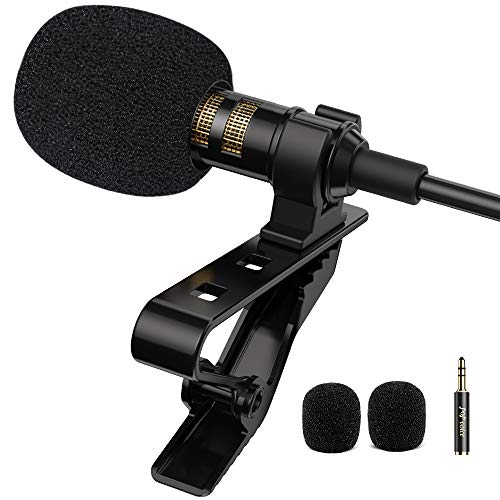
PoP voice Professional Lavalier Lapel Microphone Omnidirectional Condenser Mic for iPhone Android Smartphone,Recording Mic for Youtube,Interview,Video
Never Miss it: PoP voice Microphone will be your good choice! Cost-effective lapel microphone. Better than your built-in…
As an affiliate, we earn on qualifying purchases.
As an affiliate, we earn on qualifying purchases.
Frequently Asked Questions
How Do Regional Dialects Influence Viewer Engagement?
Regional dialects considerably boost your viewer engagement by enhancing cultural authenticity, making content feel more relatable. When you hear characters speak in familiar dialects, your audience perceives the story as more genuine and local, fostering a stronger emotional connection. This authenticity increases trust and interest, encouraging viewers to stay engaged longer. Ultimately, matching regional dialects aligns with audience perception, making your content more impactful and culturally resonant, leading to higher engagement levels.
What Are the Costs Associated With Hyper-Localized Dubbing?
You might notice the costs associated with hyper-localized dubbing stack up quickly. The cost implications include higher expenses for talent sourcing, as you need skilled voice actors fluent in regional dialects. Additionally, you’ll face increased production costs for accurate voice matching, dialect coaching, and multiple recordings. While this approach enhances authenticity and viewer engagement, it demands a bigger budget, making it essential to weigh the benefits against the financial investment involved.
How Do Voice Actors Adapt to Different Regional Accents?
You adapt to different regional accents through dedicated dialect training, which helps you understand pronunciation, intonation, and speech patterns. During accent adaptation, you practice mimicking local speech nuances, often using recordings and feedback from coaches. This process sharpens your ability to switch seamlessly between dialects, making your performance authentic. Consistent practice and immersion in the regional culture are key to mastering these accents quickly and convincingly.
What Technologies Facilitate Accurate Regional Dialect Matching?
You rely on advanced technologies like neural networks and dialect recognition tools to match regional dialects accurately. Neural networks analyze vast voice data to learn subtle pronunciation and intonation differences, enabling precise adaptation. Dialect recognition software identifies specific regional speech patterns, guiding voice actors or automated systems in rendering authentic accents. These innovations streamline the dubbing process, ensuring regional authenticity and enhancing viewer immersion.
Are There Ethical Considerations in Regional Dialect Dubbing?
Yes, there are ethical considerations in regional dialect dubbing. You should prioritize cultural sensitivity and uphold representation ethics, ensuring you don’t reinforce stereotypes or misrepresent communities. When matching dialects, be respectful and accurate, avoiding caricatures that could offend or mislead audiences. By doing so, you promote authentic representation and foster trust, showing respect for regional identities and helping to create inclusive, culturally sensitive content.

FIFINE XLR Dynamic Microphone, Vocal Podcast Microphone with Cardioid Pattern, Studio Metal Mic for Streaming Voice-Over Dubbing Video Recording, Black-K669D
[Upgraded XLR Mic] XLR microphone with stability and anti-interference ability upgrades your recording audio performance. Reliable XLR connector…
As an affiliate, we earn on qualifying purchases.
As an affiliate, we earn on qualifying purchases.
Conclusion
By embracing hyper-localized dubbing, you’re truly stitching the fabric of culture into your content. Think of each regional dialect as a thread—when woven with care, it creates a tapestry rich in authenticity. This approach isn’t just about language; it’s about honoring identities and fostering genuine connections. When you match dialects precisely, you’re not just speaking words—you’re passing the torch of tradition, ensuring that every story resonates deeply, like a heartbeat echoing through generations.

Portable Vocal Booth – Soundproof Portable Recording Booth for Echo-Free Vocals, Home Recording Booth with Travel Bag for Voiceovers, Podcasts & Music (Black)
【Superior Sound Isolation for Clean Takes】: Durable oxford fabric with multi-layer acoustic pads helps absorb up to 90%…
As an affiliate, we earn on qualifying purchases.
As an affiliate, we earn on qualifying purchases.
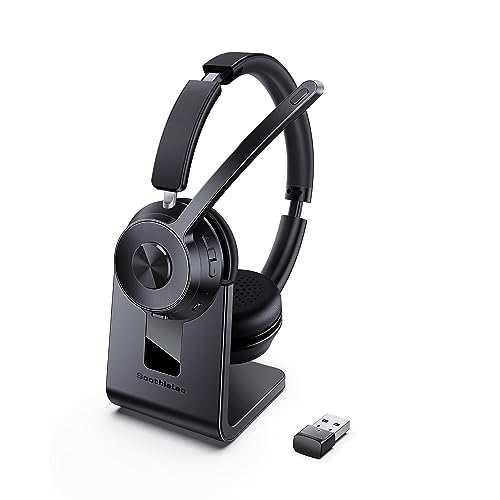
(Upgraded Version) Wireless Headset, Bluetooth Headset with Noise Cancelling Microphone, Best Headphones with Mic Mute & USB Dongle for PC/Computer/Laptop/Cell Phones/Remote Work/Call Center
AI Noise Cancellation & Mute Function: Enjoy great quality calls or meeting with our advanced ENC technology, blocking…
As an affiliate, we earn on qualifying purchases.
As an affiliate, we earn on qualifying purchases.