
TL;DR

Get everyday helpers delivered free with Prime
- Fast, free delivery on millions of items
- Prime Video, Amazon Music and more included
- Member-only deals all year
The Ministry of Health has transferred 20 Awajún children from Condorcanqui to Lima for medical care. The move aims to address health needs but raises questions about the reasons and process. The situation highlights ongoing health disparities affecting indigenous communities.
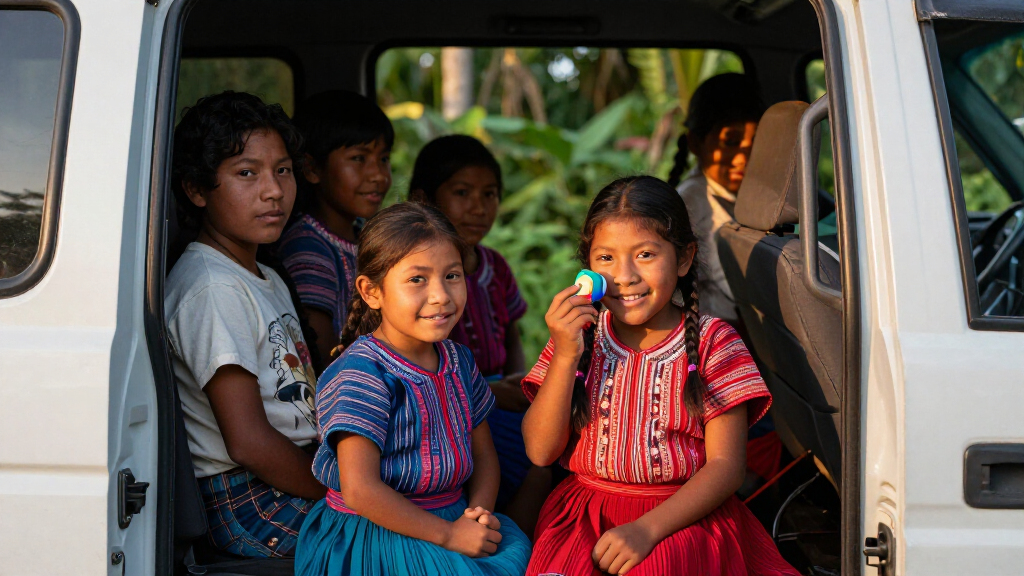
The Ministry of Health has transferred 20 children from the Awajún indigenous community in Condorcanqui to Lima for specialized medical attention, according to official sources. The move is part of a government effort to address urgent health needs among vulnerable populations, but it has sparked debate regarding the reasons for the transfer and the conditions faced by the children prior to the move.
According to the Ministry of Health, the transfer involved children who require specialized medical care not available locally in Condorcanqui, a remote province in northern Peru. The children were transported to Lima, the capital, where they are now receiving treatment at designated health facilities. The exact number of children involved was confirmed as 20, and officials emphasized that the transfer was carried out with the consent of their guardians and following medical protocols.
Local sources from Condorcanqui report that the children were taken from their communities over the past week. The Ministry of Health stated that the decision was based on medical assessments indicating urgent health needs, though specific diagnoses or health conditions have not been publicly disclosed. The transfer was coordinated with local authorities and community leaders, who have expressed mixed reactions—some supporting the move as necessary, others raising concerns about the impact on the children and their communities.
Human rights organizations and indigenous advocacy groups have called for transparency regarding the reasons behind the transfer, emphasizing the importance of respecting community consent and ensuring proper medical care. The government has assured that the children are in good health and that their safety and well-being are the top priorities.
Implications for Indigenous Health and Government Response
This transfer highlights ongoing issues related to healthcare access among indigenous communities in remote regions of Peru. The fact that children had to be moved to Lima for medical treatment underscores disparities in local healthcare infrastructure. It also raises questions about how health decisions are made for vulnerable populations and the extent of community involvement in such processes.
The move has attracted national attention, with some viewing it as a necessary intervention to save lives, while others see it as a sign of systemic neglect. It may influence future policies on indigenous health and emergency medical responses, emphasizing the need for improved local healthcare services to prevent such transfers.
Popular right now

Philips 4400 Series Fully Automatic Espresso Machine with LatteGo Milk System

Bose QuietComfort Headphones (2nd Gen), Wireless Noise-Cancelling Over-Ear Headphones, Eucalyptus Green

Dyson V8 Cordless Vacuum
As an affiliate, we earn on qualifying purchases.
Health Disparities in Remote Indigenous Communities
Condorcanqui, located in the Amazon region of northern Peru, is known for its predominantly indigenous Awajún population. The region faces significant challenges related to healthcare infrastructure, with limited access to specialized medical services. In recent years, there have been reports of health crises, including outbreaks of preventable diseases and difficulties in accessing emergency care.
Historically, the Peruvian government has faced criticism for insufficient investment in rural and indigenous health services. Transfers of patients to Lima or other urban centers are often seen as necessary but also as symptomatic of broader systemic issues. The current transfer of 20 children is part of a pattern where remote communities rely on centralized health facilities for critical cases, highlighting persistent inequalities.
Prior incidents have included emergency evacuations and transfers during health crises, but the recent scale and official acknowledgment mark a notable development. The situation is still evolving, and authorities have not provided detailed data on the overall health status of the community or the children involved.
Unconfirmed Details About Medical Conditions and Consent
It is not yet clear what specific health conditions prompted the transfer or whether all guardians consented freely. Details about the children’s diagnoses and the criteria used for deciding the transfer remain undisclosed. The full scope of community involvement and the adequacy of local healthcare prior to the move are also still uncertain.
Monitoring and Future Policy Developments for Indigenous Healthcare
Health authorities are expected to provide updates on the children’s health status and the outcomes of their treatment in Lima. There may also be increased scrutiny of healthcare access in remote regions and discussions on improving local infrastructure. The government might review protocols for emergency health interventions in indigenous communities to prevent future transfers.
Community leaders and advocacy groups are likely to continue calling for transparency and greater participation in health decision-making processes. The situation could influence policy reforms aimed at reducing the need for such transfers by strengthening local health services.
Key Questions
Why were the children transferred to Lima?
The children were transferred because they required specialized medical care not available locally in Condorcanqui, according to the Ministry of Health.
Were the children’s guardians involved in the decision?
Officials state that the transfer was conducted with the guardians’ consent, but details about the process and full community involvement are still unclear.
What health conditions do the children have?
The specific diagnoses or health issues prompting the transfer have not been publicly disclosed by authorities.
How does this affect indigenous communities in Peru?
The transfer underscores ongoing disparities in healthcare access for remote indigenous populations and raises questions about systemic neglect and the need for local health infrastructure improvements.
What are the next steps for the government?
Expect updates on the children’s health, increased focus on healthcare disparities, and potential policy reforms to improve local health services in indigenous regions.
Source: local