
TL;DR

Get everyday helpers delivered free — and shop member deals
- Fast, free delivery on millions of items
- Access to Prime Big Deal Days deals on October 6–7
- Prime Video, Amazon Music and more included
A Sixty and Me contributor describes how three women in their 70s living in the same Cuenca, Ecuador, apartment building developed a mutual support system as they consider aging in place. Their arrangements include check-ins, spare keys and emergency contacts; one friend also bought another’s apartment after its owner decided to sell. The account is a personal example, not a formal care program, and plans for shared paid caregiving remain under discussion.
A Sixty and Me report describes how three women in their 70s living in the same apartment building in Cuenca, Ecuador, have built an informal support system to help one another as they age in place. Their practical arrangements include shared emergency contacts and spare keys, while a recent apartment sale led one friend to buy another’s home so she could remain in the building.
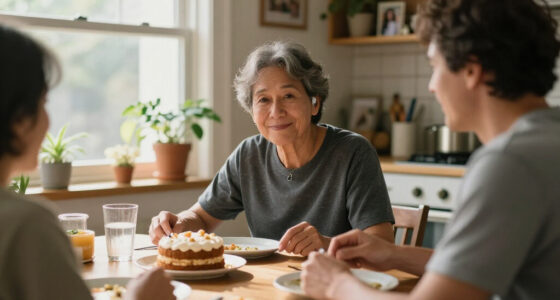
The writer says she met two neighbors, identified by the first names Blake and Emma, after moving into a restored colonial apartment building. The women have different living circumstances: Blake is widowed and rents her apartment; Emma is divorced and lives alone; the writer describes herself as single. Their friendship grew from drinks and dinners into conversations and mutual help, without an initial plan to become an aging-in-place group.
The trio first checked in with one another every morning and evening, but found that schedule too demanding. They now follow a three-day check-in rule: if they have not heard from one another in three days, one of them makes contact. Each has a spare key to the others’ apartments, and they have also hidden backup keys in locations known to the group.
They have set up a phone-based emergency group that includes other trusted people nearby. The women also keep laminated sheets with information such as local ambulance services, hospitals, police and emergency numbers, as well as doctors, legal contacts and medical proxies. The writer says they have discussed creating an interest-bearing fund to pay for a caregiver or nurse who could serve them in the building, but they are still working through the logistics.
A Local Network for Aging at Home
The account shows how social ties and practical planning can complement decisions about whether a home is physically suitable for later life. The women’s arrangements focus not only on companionship but also on noticing when someone is unreachable, knowing how to enter an apartment and having key contacts ready in an emergency.
The report does not establish that this model is suitable for everyone or that it replaces professional care. Its relevance is more specific: it offers a personal example of neighbors discussing support before a crisis, while trying to preserve their independence and choice. The proposed shared caregiver fund could extend that support, but it remains an idea rather than an operating service.
emergency contact and key holder system for seniors
As an affiliate, we earn on qualifying purchases.
As an affiliate, we earn on qualifying purchases.
How the Friendship Became a Plan
The writer frames aging in place as more than staying in a familiar home. She lists questions that can affect safety and daily life, including stairs, accessible bathrooms, hallway width and proximity to medical care. The friends’ experience adds another consideration: who can check in or respond if one of them needs help.
Their arrangements developed gradually from a friendship rather than a formal organization. The clearest turning point came when the owner of Blake’s apartment decided to sell. According to the writer, Emma had recently sold an investment property and bought the apartment, assuring Blake that she could continue living in the building. The writer describes the purchase as an act that reinforced the group’s commitment to trying to age in place together.
As an affiliate, we earn on qualifying purchases.
Care Plans Still Taking Shape
The report is a first-person account, and it does not provide an independent assessment of the group’s arrangements or say whether they have been tested in a serious emergency. It also does not specify how responsibilities would be divided if a friend needed sustained assistance, or how the women would handle changes in health, mobility or finances.
The proposed shared fund and plan to hire a nurse or caregiver remain under discussion. The writer says other residents might be interested, but the group is still working out practical details. The report does not give a budget, legal structure, care provider or timeline. It also does not state when the apartment purchase took place or provide further details about the sale.
medical alert system for aging in place
As an affiliate, we earn on qualifying purchases.
As an affiliate, we earn on qualifying purchases.
From Check-Ins to Care Planning
The group’s next possible step, according to the writer, is to work through the details of a shared fund and determine whether neighbors might take part. That would require answers about contributions, account management and how paid help would be arranged. The source gives no schedule or confirmed decision.
For now, the women’s described system rests on regular contact, emergency information and trusted access to one another’s homes. The report does not announce a new service or policy; it presents an evolving personal arrangement. Whether the friends expand it into a funded care plan remains to be seen.
home safety laminated emergency info sheets
As an affiliate, we earn on qualifying purchases.
As an affiliate, we earn on qualifying purchases.
Key Questions
What is the report about?
It is a first-person Sixty and Me account of three women in their 70s in Cuenca, Ecuador, who developed a mutual support network while thinking about aging in place.
What arrangements have the friends made?
They use a three-day check-in rule, keep spare keys for one another and have a phone emergency group. They also keep contact sheets with emergency services and medical and legal contacts.
Has the group started a shared caregiving fund?
No. The writer says the women have discussed a fund for possible in-home help, but are still working out how it might operate.
Why did one friend buy another’s apartment?
According to the writer, Blake’s landlord decided to sell the apartment. Emma bought it after selling an investment property, allowing Blake to remain in the building, the account says.
Source: rss
Fall Picks
fall essentials
As an affiliate, we earn on qualifying purchases.