
TL;DR

Get everyday helpers delivered free with Prime
- Fast, free delivery on millions of items
- Prime Video, Amazon Music and more included
- Member-only deals all year
Hearing amplification devices include a range of products from basic amplifiers to sophisticated hearing aids. Knowing their features, differences, and fitting tips helps you find the right sound solution without overspending.
Imagine sitting in a busy cafe, straining to catch every word. That frustration is common for anyone with hearing challenges. The good news? Modern hearing amplification devices now offer a spectrum of solutions—some simple, some highly sophisticated—that can help you hear more clearly without breaking the bank.
Whether you’re exploring over-the-counter options or considering a professional fitting, understanding these devices can empower you to make smarter choices. This article will explain what hearing amplification devices are, how they work, and the key factors to consider before buying your perfect match.
Not all hearing amplification products are created equal—know the difference between hearing aids, OTC devices, PSAPs, and assistive listening tools.
Modern devices leverage features like directional microphones, noise reduction, and Bluetooth streaming—understanding these helps you pick what suits your envi…
Self-fitting OTC hearing aids are improving but still benefit from professional verification for complex hearing loss.
Proper fitting and regular maintenance are crucial for optimal performance and comfort.
Choosing the right device depends on your specific needs, environment, and willingness to invest in support and ongoing care.
What Are Hearing Amplification Devices and How Do They Differ?
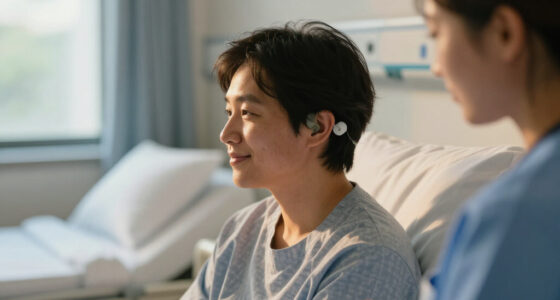
Hearing amplification devices are products designed to make sounds easier to hear. Think of them as tools that boost specific sounds, depending on your needs. The most familiar are hearing aids, which are medical devices fitted by professionals. They are tailored to your hearing loss, with features like frequency-specific amplification and advanced noise reduction.
On the other hand, over-the-counter hearing aids became widely available in 2022 in the U.S. They are designed for adults with mild-to-moderate hearing loss and don’t require a prescription. These devices are more accessible and often more affordable, but because they are not customized, they might not address complex or profound hearing issues effectively. Opting for OTC devices can be a tradeoff between convenience and precision—if your hearing loss is straightforward, they can be a practical choice; if not, a professional assessment might be necessary.
Then there are personal sound amplification products (PSAPs). These are consumer electronics meant for non-hearing-impaired people who want to amplify sounds in specific situations—think birdwatching or listening to distant conversations. They are not designed for or approved to treat hearing loss and often lack the nuanced processing of medical devices, which means they may amplify background noise along with speech, making them less suitable for daily hearing improvement.
Finally, assistive listening devices include a variety of tools like TV streamers, remote microphones, and amplified phones. These are built for specific environments to help you hear better in certain settings, often working alongside hearing aids or independently. Their effectiveness depends on proper pairing and understanding the context in which they’re used, making them valuable complements rather than primary solutions.
over-the-counter hearing aids for mild hearing loss
As an affiliate, we earn on qualifying purchases.
As an affiliate, we earn on qualifying purchases.
Why Amplification Is More Than Just Making Everything Louder
Hearing loss isn’t just about volume; it’s often about the quality and clarity of sounds. For many, the challenge is perceiving speech sounds—especially consonants like ‘s’, ‘t’, and ‘k’—which are crucial for understanding words. These high-frequency sounds tend to be the first to deteriorate with age or noise exposure. If amplification merely increases overall volume, it can sometimes make listening more difficult by also amplifying background noise, leading to a cluttered soundscape that’s hard to interpret.
Effective devices employ frequency-dependent amplification, which means they boost specific frequency ranges where your hearing is weaker. This targeted approach preserves the natural balance of sounds, making speech more intelligible without overwhelming you with noise. For example, if you struggle to hear women’s voices or soft consonants, the device can amplify those frequencies specifically, which enhances comprehension and reduces listening fatigue.
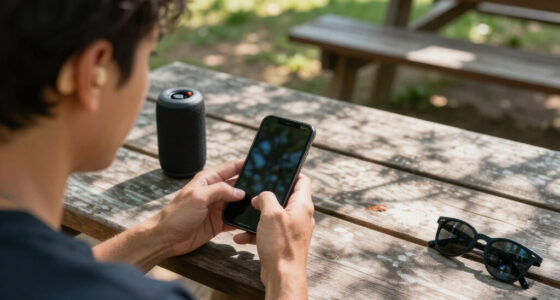
Technological features like multichannel sound processing and directional microphones are designed to mimic natural hearing by focusing on sounds coming from specific directions—like a speaker in front of you—while suppressing background noise. Noise reduction algorithms further improve clarity in crowded environments. Bluetooth streaming allows direct connection to phones or TVs, reducing the need for external microphones or headphones. These features matter because they directly influence your ability to understand speech in real-world situations, which is often more complex than simply turning up the volume. The tradeoff is that more advanced features may require a learning curve and proper fitting to maximize their benefits.
personal sound amplification products
As an affiliate, we earn on qualifying purchases.
As an affiliate, we earn on qualifying purchases.
The Latest Tech Trends That Make Hearing Devices Smarter
The mid-2020s brought a wave of innovation to hearing devices. The over-the-counter market expanded, giving consumers more options and better prices. Self-fitting technology now uses apps to run quick hearing tests and set initial profiles—though professional verification still helps ensure optimal results. This shift toward user-friendly, accessible technology means more individuals can obtain effective hearing support without immediate professional intervention, though it’s important to understand the limitations and when professional help is still advisable.
Meanwhile, consumer earbuds are merging with hearing aids. Many mainstream products now include hearing-assistance features, plus music, calls, and wellness tracking. This convergence offers a discreet and multifunctional approach—using familiar devices for multiple purposes. However, these devices may not match the sophistication of dedicated hearing aids, especially in complex listening environments, so understanding their capabilities and limitations is crucial.
Emerging tech like Bluetooth LE Audio and Auracast aims to broadcast sound directly from venues like airports or theaters, reducing background noise and improving clarity. These rely on compatible hardware but promise a more seamless listening experience everywhere, effectively integrating the environment into your hearing landscape. This kind of innovation can significantly enhance accessibility and convenience, but compatibility and infrastructure updates are necessary to fully realize their potential.
Artificial intelligence is also stepping in. Machine learning helps devices classify environments, prioritize speech, and reduce unwanted noise automatically. Some models even adjust settings on the fly, making listening more natural. This adaptive technology reduces the need for manual adjustments and can improve comfort and comprehension in dynamic situations. However, AI performance depends on the quality of the algorithms and sensors, so not all devices will experience these benefits equally. Regular updates and calibration are essential to keep AI-driven features functioning optimally.
Remote programming and rechargeable batteries are becoming standard, making devices easier to manage—especially for those with dexterity challenges. These advancements reduce maintenance hassle and improve user experience, contributing to better long-term satisfaction and device longevity.
assistive listening devices for TV
As an affiliate, we earn on qualifying purchases.
As an affiliate, we earn on qualifying purchases.
Frequently Asked Questions
Are hearing amplifiers the same as hearing aids?
No. Hearing amplifiers are consumer products that boost all sounds indiscriminately, often for non-hearing-impaired users. Hearing aids are medical devices tailored to your specific hearing loss, with advanced processing to improve speech clarity and reduce background noise.
Can I buy a hearing aid without consulting a doctor?
In the U.S., adults with perceived mild-to-moderate hearing loss can purchase OTC hearing aids without a prescription. However, for children or complex cases, seeing a professional is highly recommended to ensure proper fitting and treatment.
How do I know if my hearing loss is mild, moderate, or severe?
A formal hearing test conducted by an audiologist measures your hearing thresholds at different frequencies. These results help determine the severity of your loss and guide device selection.
Will a hearing aid restore normal hearing?
Typically not. Hearing aids improve access to sounds and speech but cannot fully replicate the natural hearing function of a healthy auditory system. They are tools to enhance your hearing experience.
How long do hearing aids last?
Most hearing aids last between three to seven years, depending on factors like moisture exposure, maintenance, and technological obsolescence. Regular check-ups and proper care can extend their lifespan and ensure consistent performance.
As an affiliate, we earn on qualifying purchases.
Conclusion
Hearing amplification devices are more accessible and sophisticated than ever, but finding the right one requires understanding your needs and the technology behind these products. The best device is the one that fits your lifestyle and keeps you connected to the world around you.
Don’t settle for just louder sounds. Aim for clarity, comfort, and confidence in your hearing. After all, sound is more than noise—it’s your link to life’s richest moments.
Halloween Picks
halloween
As an affiliate, we earn on qualifying purchases.