

TL;DR

Get everyday helpers delivered free with Prime
- Fast, free delivery on millions of items
- Prime Video, Amazon Music and more included
- Member-only deals all year
Health Secretary Robert F. Kennedy Jr. praised artificial intelligence at a MAHA summit, saying it could help Americans fact-check medical advice and resist reliance on officials. Some MAHA figures criticized the event’s corporate sponsorships, while medical experts questioned whether AI can serve as an independent check on medical expertise. HHS said Kennedy wants AI to help people understand their health data and make decisions with doctors.
Health Secretary Robert F. Kennedy Jr. endorsed artificial intelligence at a MAHA summit last week, arguing that it could help Americans scrutinize medical advice and challenge reliance on public officials. The remarks have unsettled some allies in the Make America Healthy Again movement and prompted medical experts to question whether AI can provide the independent check Kennedy described.
At the invite-only gathering, which featured AI and Silicon Valley executives, Kennedy said the technology would free Americans from what he called “medical tyranny” by letting them “fact check their own medical advice.” He also said people should not be dominated by officials telling them to “trust the experts.” Those phrases were Kennedy’s characterization of AI’s potential, not evidence that the technology can independently verify medical guidance.
Zeke Emanuel, a University of Pennsylvania cancer specialist and bioethicist, argued that medical AI typically draws on existing research and clinical knowledge. “AI aggregates the information we have in the medical literature and in case studies,” he said, adding that users are therefore receiving medical expertise. Emanuel said Kennedy appeared to misunderstand how AI systems work and argued that good systems would not simply reproduce Kennedy’s views.
HHS spokesperson Emily Hilliard said Emanuel was describing “one narrow use” of AI. She said Kennedy wants the technology to help people understand and compare their health data with evidence and make better decisions with their doctors. Hilliard also said AI could help doctors work faster and spend more time caring for patients.
AI Tests MAHA’s Corporate Skepticism
The dispute puts pressure on a central tension in the MAHA movement: Kennedy has built support among people concerned about corporate influence over health, yet his summit placed technology companies alongside health officials and movement leaders. Critics say that arrangement risks shifting attention away from grassroots activists and toward companies seeking influence in health policy.
It also matters to patients because public claims about AI’s role in care can shape how people use chatbots and interpret medical information. The source report describes health-focused products from OpenAI and Anthropic that can analyze records and answer health questions. But Kennedy’s claim that AI can help people challenge medical advice does not establish that a chatbot is a substitute for clinical judgment. HHS’s account instead presents AI as a tool to support conversations and decisions with doctors.
The disagreement is unfolding as federal officials promote AI as a possible response to health-system pressures, including costs, fraud, workforce shortages and rural hospital closures. Whether the technology can address those problems, and under what safeguards, remains a matter for policy and evidence—not a result established by the summit remarks.
Popular right now

Dyson Ball Animal 3 Extra Upright Vacuum

Roborock RockNeo Q110H Wire-Free Robot Lawn Mower
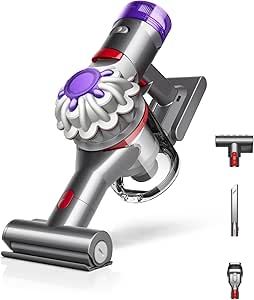
Dyson Car+Boat Cordless Handheld Vacuum
As an affiliate, we earn on qualifying purchases.
Summit Brings Sponsors and Officials
The summit was organized by MAHA Center Inc., which is run by publisher Tony Lyons, according to the source report. OpenAI and Anthropic were among its sponsors. More than a dozen other companies also sponsored the event, including businesses developing psychedelic drugs, fitness wearables and an experimental cancer test. Sponsors paid as much as $300,000, and many received speaking slots on panels that included senior administration health officials, including Centers for Medicare & Medicaid Services Administrator Mehmet Oz.
Robert Malone, a vaccine researcher who has questioned mRNA vaccine safety and recently served on a federal vaccine panel under Kennedy, called the gathering “classic pay-to-play.” He said physicians, patients and advocates who helped build MAHA were not represented at its core. Lyons defended the sponsorships, saying the groups were trying to build a large movement capable of getting things done. These are competing assessments of the summit; the sponsorship terms do not by themselves establish that sponsors influenced government decisions.
The report places Kennedy’s AI comments within a broader administration embrace of the technology. President Donald Trump revoked a Biden-era executive order on AI oversight after returning to office, and the administration later issued its own order, according to the report. Federal health officials have also discussed AI uses with medical chatbot companies. Separately, some MAHA-linked groups have raised concerns about data centers’ pollution, water use and electricity demand.
““We’re never ever again going to be able to be dominated by public officials who tell us: ‘Trust the experts.’””
— Robert F. Kennedy Jr., speaking at the MAHA summit
AI’s Health Role Still Undefined
The source report does not specify a federal AI program, timetable or set of safeguards tied to Kennedy’s remarks. It is not clear how the administration would help patients compare chatbot responses with medical evidence, protect sensitive health data, or address errors and conflicting answers.
It is also not established that sponsors influenced summit programming or government policy. Malone’s pay-to-play criticism and Lyons’s defense are attributed opinions, and the report does not document a specific exchange of sponsorship money for policy decisions. The long-term effects of AI tools on patient outcomes, physician workloads and health-system costs remain uncertain.
Watch for Policy and Safeguards
The next concrete developments to watch are any federal health initiatives that put Kennedy’s stated goals into practice, including rules or programs for AI tools that handle patient information or provide health-related responses. The source report identifies ongoing discussions between Medicare officials and chatbot companies, but does not give a decision date or confirm an agreement.
Further details from HHS would clarify whether the department plans to evaluate these tools, set standards for accuracy and privacy, or define when people should consult clinicians. The summit’s organizers and participating companies may also face continued scrutiny over sponsorships and access to officials. For now, Kennedy’s remarks mark a public endorsement of AI, while the practical policy and clinical implications remain unsettled.
Key Questions
What did Kennedy say about AI?
At a MAHA summit last week, Kennedy said AI could let Americans fact-check medical advice and avoid being dominated by officials who tell them to trust experts.
Why did medical experts criticize that view?
University of Pennsylvania bioethicist Zeke Emanuel said AI systems aggregate medical literature and case studies, meaning their answers draw on existing medical expertise. He questioned Kennedy’s understanding of how the technology works.
What did HHS say Kennedy wants AI to do?
HHS spokesperson Emily Hilliard said Kennedy wants AI to help people understand their health data, compare it with evidence and make decisions with their doctors. She also said it could help clinicians work more efficiently.
Why were the summit’s sponsors controversial?
OpenAI, Anthropic and more than a dozen other companies sponsored the event, with some receiving panel speaking slots. Robert Malone criticized the arrangement as “pay-to-play”; organizer Tony Lyons said the goal was to build a movement capable of getting things done. The report does not establish that sponsors influenced government decisions.
Has the administration announced a specific AI health policy?
The source report describes Kennedy’s remarks and Medicare officials’ discussions with chatbot companies, but it does not identify a new program, timetable or set of safeguards tied to the summit.
Source: rss