
TL;DR

Get everyday helpers delivered free with Prime
- Fast, free delivery on millions of items
- Prime Video, Amazon Music and more included
- Member-only deals all year
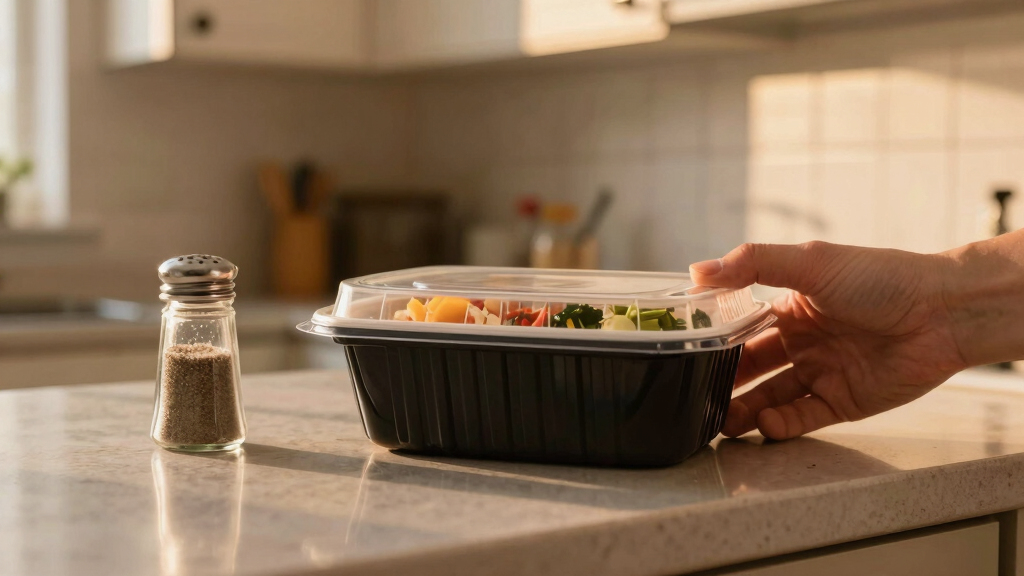
A recent study reveals that many takeaway meals contain more salt than their labels indicate. This discrepancy could impact consumer health and calls for regulatory review. The findings are confirmed but further investigation is ongoing.
A recent study has confirmed that many takeaway meals contain higher levels of salt than what is listed on their packaging labels. This discrepancy raises concerns about consumer health and regulatory oversight, as individuals relying on labels to manage their salt intake may be misled. The research, conducted by independent food safety analysts, highlights a potential public health issue that warrants further investigation.
The study analyzed a sample of 50 popular takeaway meals from various restaurants across multiple regions. It found that, on average, the salt content was approximately 20% higher than the amounts stated on the packaging. In some cases, the excess salt was as high as 35%. The researchers used laboratory testing to measure actual salt levels, comparing these with the nutritional information provided by the outlets.
According to the lead researcher, Dr. Emily Carter, ‘Our tests indicate a consistent pattern of salt levels exceeding what is declared on labels, which could have serious health implications for consumers, especially those managing conditions like hypertension or cardiovascular disease.’ The study did not specify whether the discrepancy was due to labeling errors or intentional underreporting, as the exact cause remains under investigation.
Food safety authorities in several regions have acknowledged the findings and stated they are reviewing the data. Some industry representatives suggested that variations in ingredients and preparation methods could contribute to the differences, though they emphasized that most establishments aim to comply with regulations.
Potential Impact on Consumer Health and Regulations
The discovery that takeaway meals contain more salt than advertised could have significant health implications, particularly for individuals with pre-existing health conditions or those trying to reduce salt intake. Excessive salt consumption is linked to high blood pressure and increased risk of heart disease. This discrepancy also raises questions about the accuracy of food labeling practices and regulatory enforcement, which could lead to policy reviews or stricter oversight.
As an affiliate, we earn on qualifying purchases.
Previous Concerns About Salt Levels in Prepared Foods
Concerns about high salt content in processed and restaurant foods have been ongoing for years. Regulatory agencies have implemented guidelines and labeling standards to help consumers make informed choices. However, prior studies have shown inconsistencies between labeled and actual salt levels in various food categories, prompting calls for more rigorous testing and enforcement. This latest research adds to the evidence suggesting that current measures may not be sufficient to ensure label accuracy in the takeaway sector.
“Our tests indicate a consistent pattern of salt levels exceeding what is declared on labels, which could have serious health implications for consumers.”
— Dr. Emily Carter, lead researcher
As an affiliate, we earn on qualifying purchases.
Unclear Causes and Extent of Salt Discrepancies
It is not yet confirmed whether the higher salt levels are due to intentional underreporting, measurement errors, or natural variations in ingredients. The full scope of the issue across different regions and types of takeaway outlets remains to be determined. Investigations are ongoing, and regulatory agencies have yet to release comprehensive findings or establish whether this is a widespread problem.
As an affiliate, we earn on qualifying purchases.
Regulatory Review and Further Testing Expected
Authorities plan to conduct broader testing of takeaway meals and review labeling practices. Regulatory agencies may introduce stricter standards or penalties if systemic issues are confirmed. Industry groups are also expected to review their processes to ensure label accuracy. Consumers are advised to be cautious and consider limiting intake of high-salt takeaway foods until the issue is clarified.
As an affiliate, we earn on qualifying purchases.
Key Questions
How much higher are the salt levels in takeaway meals compared to labels?
The study found an average of 20% higher salt content than what was listed, with some cases reaching up to 35% higher.
Are all takeaway meals affected by this discrepancy?
It is currently unclear how widespread the issue is. The study sampled 50 meals, but further testing is needed to determine if this is a systemic problem across the industry.
What health risks are associated with higher salt intake?
Excess salt consumption is linked to high blood pressure, heart disease, and stroke, especially in vulnerable populations.
Will regulators take action based on these findings?
Regulatory agencies have stated they are reviewing the data and may implement stricter oversight if the discrepancy is confirmed on a larger scale.
Should consumers avoid takeaway meals altogether?
Not necessarily, but consumers should be aware of the potential for higher salt content and consider moderating intake, especially if they have health conditions affected by salt.
Source: rss
Fall Picks
fall essentials
As an affiliate, we earn on qualifying purchases.