TL;DR

Get everyday helpers delivered free with Prime
- Fast, free delivery on millions of items
- Prime Video, Amazon Music and more included
- Member-only deals all year
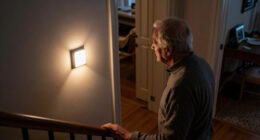
In a Being Patient essay published Nov. 3, 2026, Rachel Sciacca recounts a car ride with her grandfather, who was living with dementia, that escalated into a safety crisis. She says the experience showed her she could not manage caregiving alone and that she needed to ask his memory-care community for help.
Rachel Sciacca says a tense car ride with her grandfather, who was living with dementia, taught her that she could not manage caregiving alone. In a first-person essay published by Being Patient on Nov. 3, 2026, she recounts how an argument escalated into a safety concern and how staff at his memory-care community helped when she brought him back.
Sciacca describes driving her grandfather in San Diego after he had become angry during the trip. She writes that he berated her, said he wanted to leave the car and then grabbed the steering wheel as she tried to take him home. Sciacca says she warned that she might call police if he did not stop. The account is her personal recollection; the article does not provide an independent account of the incident.
She says she had no caregiver training or support at the time and was trying to handle the situation by arguing through it. As her panic subsided, she recognized that her grandfather could no longer respond to logic as she expected. She texted his community to say she was bringing him back and needed help. Staff were waiting when they arrived, she writes, and one facilitator later hugged her as she began to cry.
Sciacca writes that her grandfather asked for pizza during the drive and told her, “You’re afraid of me.” She says she understood the distress as tied not only to the immediate disagreement but also to his loss of independence. She ends the account with regret about how she handled the episode, while making clear that it did not turn her into a perfect caregiver overnight.
Why Asking for Caregiver Support Matters
Sciacca’s account describes a practical problem for families: caring for someone with dementia can involve unpredictable behavior and situations that a relative may not feel equipped to handle. In her case, asking the memory-care staff for help brought other people into a crisis she had been trying to manage by herself.
The essay also shows the emotional strain behind that decision. Sciacca says she was afraid of being judged and of letting her grandfather down. Her story does not establish how common such experiences are, but it gives readers a firsthand account of how love, fear and family history can collide during caregiving—and why seeking support need not mean abandoning a loved one.
Popular right now

Shark HydroVac MessMaster Cordless Wet Dry Vacuum and Mop Combo, AW261

Dyson V8 Cyclone Cordless Vacuum

LG 85-Inch QNED73B Mini LED 4K Smart TV (2026)
As an affiliate, we earn on qualifying purchases.
From Family Care to Memory Care
Sciacca writes that her grandparents adopted her when she was a young child and that her grandfather was the only father she had known. After her grandmother died of COVID-19, Sciacca moved her grandfather to an assisted-living community. Following what she describes as an attempt to take his own life, doctors recommended that he move to memory care.
She says living with her in a small, one-bedroom apartment was not safe or workable: she lived alone and worked remotely full-time. The conflict in the car occurred amid those changes, as her grandfather was adjusting to losing control over parts of his daily life. These details help explain Sciacca’s account but do not provide a clinical assessment of his condition or the events leading to his placement.
“I had no experience with being a caregiver for someone with dementia. I had no training, no support.”
— Rachel Sciacca, in her Being Patient essay
What the Personal Account Cannot Establish
The essay is a first-person account, and the source provides no comment from the memory-care community, medical professionals or other witnesses. Details about the car ride, the grandfather’s condition and staff’s response are reported by Sciacca and are not independently verified in the material provided.
The article also does not say what support or training Sciacca received afterward, whether the community changed its care plan, or what happened in later incidents. It presents her reflections on one episode, not a general assessment of dementia care or a clinical explanation for her grandfather’s behavior.
How Sciacca Says Her Caregiving Continued
Sciacca says the experience prompted her to recognize that she needed help, but she does not describe a specific follow-up plan or a later change in her grandfather’s care. She notes that caregiving remained difficult as his dementia progressed and that she continued to make mistakes. The source provides no further update on his current circumstances or on what support the family has since received.
Sciacca shares caregiving experiences on TikTok under @iamadementiacaregiver, according to Being Patient. The essay offers no stated schedule for further updates.
Key Questions
What happened during the car ride?
Sciacca says her grandfather became angry, tried to leave the car and grabbed the steering wheel while she was attempting to take him home. This description comes from her personal account.
What did Sciacca say she learned?
She says she realized she could not manage caregiving alone and needed to ask her grandfather’s memory-care community for help.
Where was her grandfather living?
Sciacca writes that he had moved from assisted living to memory care after doctors recommended the move following an attempt to take his own life.
Has the community or a medical professional commented?
The source material includes no comment from the community or medical professionals. The account is presented as Sciacca’s recollection and reflection.
Source: beingpatient.com