TL;DR

Get everyday helpers delivered free with Prime
- Fast, free delivery on millions of items
- Prime Video, Amazon Music and more included
- Member-only deals all year
The University of Lancashire’s Person Before the Patient project places first-year medical students in care homes to talk with residents about their lives, rather than conduct medical assessments. Student reflections describe learning to listen and adapt, but the project did not formally measure empathy or establish whether any effects last.
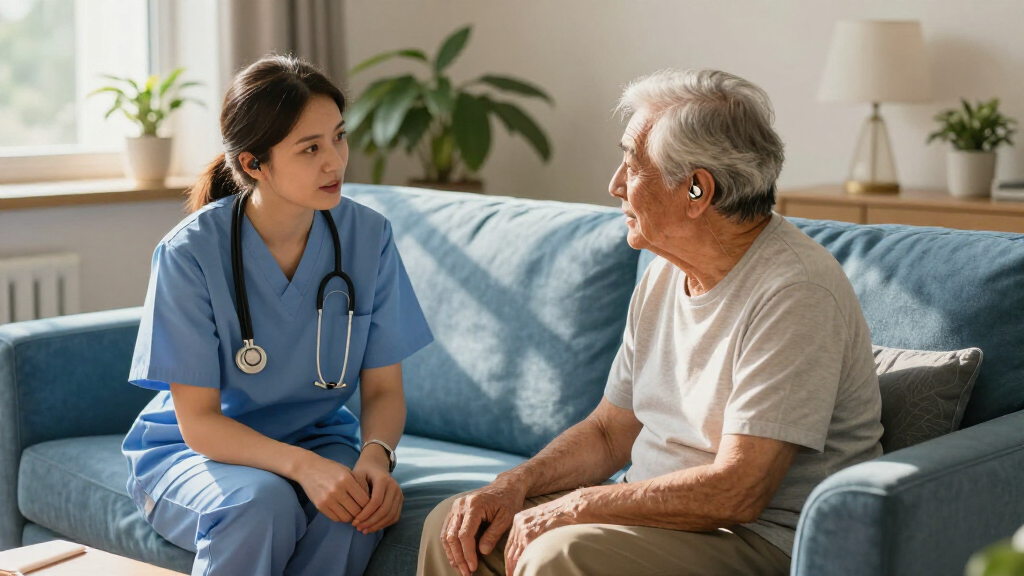
The University of Lancashire has made a care-home conversation placement part of its first-year medical course, asking students to learn about residents as people rather than assess them as patients. The Person Before the Patient project runs across 11 care homes and is intended to give students early practice in listening and adapting how they communicate.
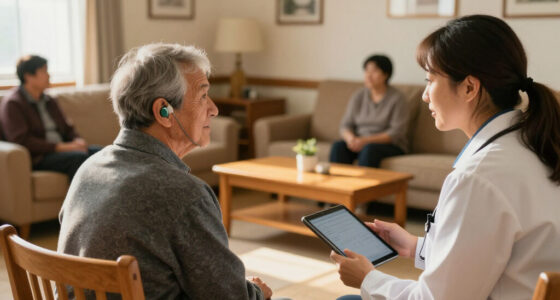
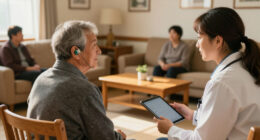
During four-week placements, students meet residents, some of whom live with dementia, frailty or long-term conditions. Their task is to learn about residents’ interests and experiences, not to take medical histories or make diagnoses. The project was piloted in 2023/24 and became compulsory for first-year medical students in 2024/25.
Students’ written reflections describe having to move beyond prepared questions and let residents set the pace. One student said they learned to listen more, accept pauses while a resident searched for words, and pay closer attention to facial expressions and gestures. Another wrote that conversations helped them understand empathy in a way that simulated-patient exercises had not.
Of 281 students who took part, 157 voluntarily submitted written reflections for the project, which had ethical approval. These accounts record respondents’ experiences; the project did not formally measure empathy or test whether learning changed later clinical practice.
Practice Listening Before Clinical Placements
The placement focuses on communication skills that matter when patients have different ways of expressing themselves. Learning to follow a person’s pace, notice nonverbal cues and respond to what they choose to discuss may help students communicate with people experiencing memory or hearing difficulties. The report links this approach to NICE dementia guidance, which recommends adapting communication to people’s needs and taking account of their histories and preferences.
It also addresses a wider concern about medical education: empathy can be difficult to develop and sustain. Research on whether it declines during training is mixed. A 2023 review of 16 studies identified heavy workloads and poor role models as possible influences that can encourage emotional detachment. The placement offers an early opportunity to encounter residents outside the structure of a clinical assessment, but its reflections alone do not show that it prevents such detachment.
Residents’ interests matter as well. They live in the care homes where the teaching takes place and should be able to decide whether to participate and what to share. The report says residents in some homes discussed hosting students and, with staff, how placement funding would be used. Care-home managers reported that many residents enjoyed the visits and looked forward to students returning.
hearing amplification devices for seniors
As an affiliate, we earn on qualifying purchases.
As an affiliate, we earn on qualifying purchases.
How the Placement Fits Existing Evidence
The project’s author describes a challenge for medical schools: students must learn to manage emotions in difficult clinical situations while staying curious about the person experiencing illness. Formal teaching, including simulated consultations with actors, can develop communication techniques. A conversation with a care-home resident offers a different setting, where students may need to respond to an individual’s memories, interests and pauses rather than follow a clinical script.
Earlier research offers some support for placements with older people, but does not settle the question of impact. An Australian study of 61 fifth-year medical students found that five-day care-home placements improved dementia knowledge and attitudes toward working with older people; some students questioned the educational value. A UK evaluation of Time for Dementia reported improved knowledge and attitudes among students who regularly visited people with dementia and their families, but no significant difference in measured empathy compared with other students.
Other evidence urges care in interpreting positive experiences. A New Zealand analysis of reflections from five students on nursing-home placements involving personal care found that some encounters left students overwhelmed, and some accounts described residents as problems to manage. That study examined hands-on care, not the conversation-based Lancashire project, but it highlights why students may need support to reflect on difficult feelings.
“I was very nervous at the start of the placement because I have always struggled with starting conversations.”
— A first-year medical student reflecting on the placement
smart home security cameras for elderly care
As an affiliate, we earn on qualifying purchases.
As an affiliate, we earn on qualifying purchases.
Lasting Effects Have Not Been Measured
The project’s reported evidence comes from voluntary student reflections, not a formal assessment of empathy. Students who chose to write about the experience may have been more positive than those who did not. The reflections therefore cannot establish that the placement caused changes in empathy, improved clinical behavior or altered how students treat patients later.
Whether any reported learning persists once students enter clinical settings is also unknown. Broader research is mixed: the Time for Dementia evaluation found no significant difference in measured empathy, and a review of long-term empathy training found little evidence that gains persist. The available source does not provide a longitudinal evaluation of the Lancashire project or detailed results from residents themselves.
communication aids for dementia patients
As an affiliate, we earn on qualifying purchases.
As an affiliate, we earn on qualifying purchases.
Evaluate Students Over Time
The project author says a fuller evaluation would need to follow students over time, including after they begin clinical training, rather than relying only on immediate impressions. Such work could assess whether reported communication lessons persist and whether they are reflected in clinical behavior. The supplied report does not specify a timeline for that evaluation.
For participating care homes, residents’ choice and involvement remain part of how the placement is intended to work. The source reports that residents in some homes have discussed hosting students and the use of placement funding with staff; it does not say that this practice is consistent across all 11 homes.
As an affiliate, we earn on qualifying purchases.
Key Questions
What do medical students do during the placement?
They spend four weeks in a care home, learning about residents’ interests and experiences through conversation. They are not there to diagnose residents or take medical histories.
Which students take part?
The Person Before the Patient placement was piloted in 2023/24 and became compulsory for first-year medical students at the University of Lancashire in 2024/25.
Did the project prove that students became more empathetic?
No. Students’ reflections described what some respondents felt they learned, but empathy was not formally measured. The reflections cannot establish lasting changes or effects on clinical practice.
What do care-home residents gain from taking part?
The report says managers in participating homes reported that many residents enjoyed visits and looked forward to students returning. Residents should be able to choose whether to take part and what they share; detailed outcomes reported directly by residents are not provided.
Source: rss
Halloween Picks
halloween
As an affiliate, we earn on qualifying purchases.