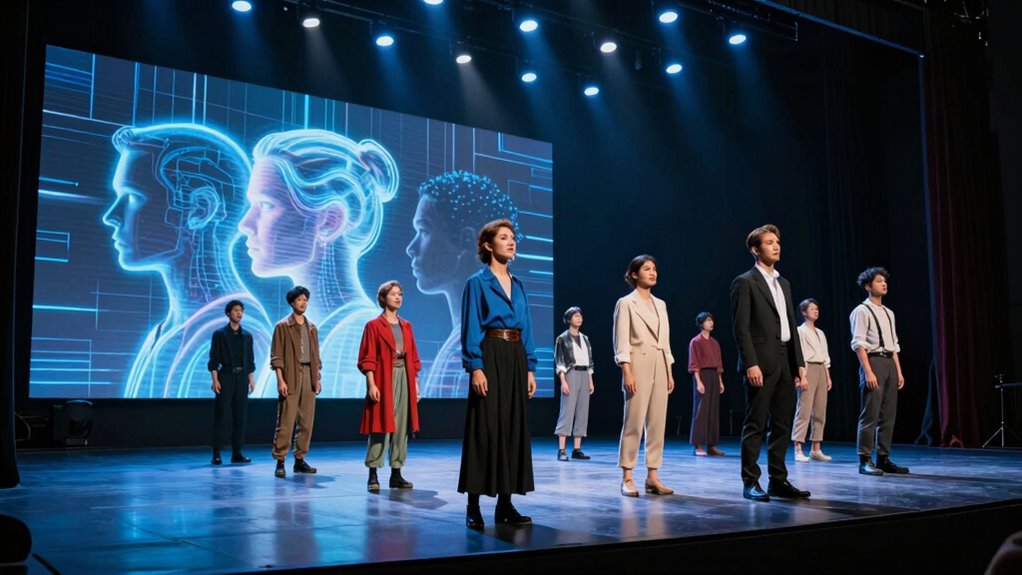

The rise of AI talent brands means you’ll see more virtual personalities competing with real actors for audience attention, thanks to their constant availability and cost-effectiveness. These digital identities can mimic human emotions and behavior, reshaping casting choices and audience preferences. While this opens new creative opportunities, it also raises ethical concerns around consent, ownership, and authenticity. If you want to understand how this shift affects actors like you and what the industry’s future might hold, keep exploring.

Get everyday helpers delivered free with Prime
- Fast, free delivery on millions of items
- Prime Video, Amazon Music and more included
- Member-only deals all year
Key Takeaways
- AI talent brands challenge the dominance of human actors by offering virtual alternatives that mimic human behavior and appearance.
- Virtual identities provide cost-effective, scalable options, potentially reducing demand for traditional acting roles.
- The rise prompts actors to reconsider their industry roles, emphasizing the need for new skills in technology and ethics.
- Ethical concerns around consent, rights, and misrepresentation may impact actors’ control over their likeness and voice.
- Audience trust and authenticity may be affected as virtual performers become more indistinguishable from real actors.
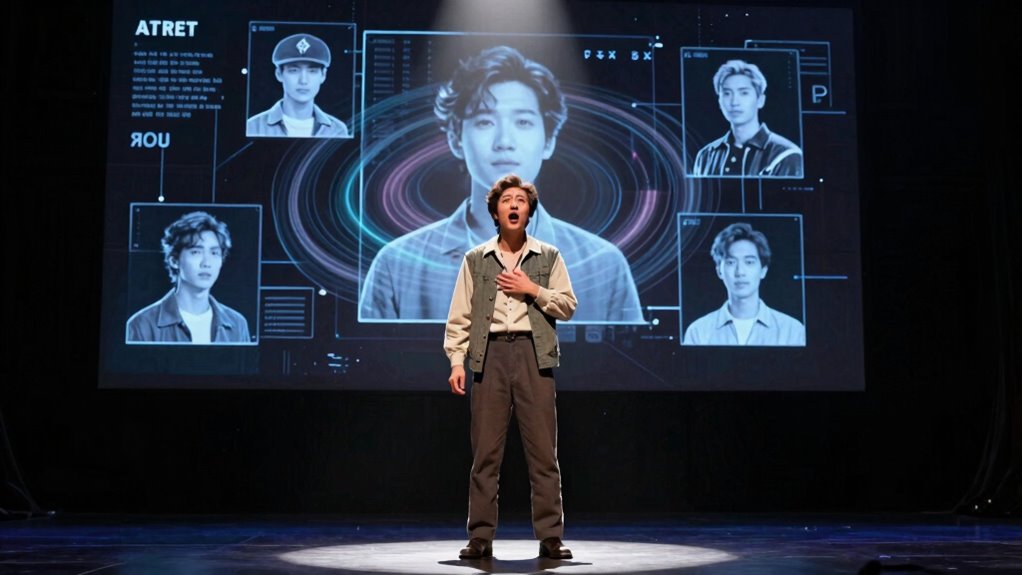
As AI-generated talent brands become increasingly prominent, they challenge the traditional dominance of real actors in entertainment and marketing. You might find yourself wondering how virtual identities created by AI will impact your career and the industry at large. These AI talents are designed to mimic human behavior, appearance, and even emotional expression, allowing brands and creators to deploy virtual identities that engage audiences without the limitations of physical presence. They can work around the clock, adapt instantly to different styles, and deliver consistent performances, making them attractive options for companies seeking cost-effective, scalable solutions. But as these AI talents grow more sophisticated, your role as a real actor could be reshaped. The line between human and virtual becomes blurred, raising questions about authenticity and personal connection.
One of the key issues here is the rise of virtual identity—these digital personas are crafted to feel real and relatable, often indistinguishable from actual humans. Your performances, emotions, and nuance have traditionally set you apart, but AI can now replicate or even enhance those qualities in virtual actors. This advancement may lead to a shift in casting practices or audience preferences, where virtual identities become the norm for certain roles or campaigns. It’s important to recognize that while virtual identities can be programmed to evoke specific emotions, they lack genuine consciousness or personal experience, which could influence how audiences connect with content. You might feel a sense of competition, but these virtual entities also serve as tools that could complement your work or open new avenues for creativity. Additionally, the development of digital personas relies heavily on content formats, which shape how audiences perceive and interact with virtual talents. Understanding the technology behind AI can help you better navigate the evolving industry landscape.
At the same time, the rise of AI talent brands prompts significant ethical implications. As these virtual identities become more prevalent, questions about consent, ownership, and representation come to the forefront. Who owns the digital persona, and how is its likeness used? When AI replicates a real actor’s image or voice, it raises concerns about unauthorized use and deepfake technology. You could be asked to lend your likeness or voice, but without clear boundaries, this might lead to exploitation or misrepresentation. Additionally, audiences may struggle to differentiate between human and AI performers, challenging notions of authenticity and trust. It’s essential to advocate for transparency and ethical standards in deploying AI talent, ensuring that real actors’ rights are protected while embracing technological progress. Ultimately, the rise of AI talent brands pushes you to rethink your place in the industry and consider how to adapt ethically and creatively in a rapidly evolving landscape.
As an affiliate, we earn on qualifying purchases.
Frequently Asked Questions
How Will AI Talent Brands Impact Actors’ Income Stability?
AI talent brands could challenge your income stability by shifting focus to digital identities and branding strategies. As AI creates more virtual talent, it may reduce demand for traditional actors in some roles, making it harder to secure consistent work. To stay competitive, you’ll need to strengthen your personal brand and adapt your digital presence, ensuring your unique skills and authenticity stand out amid increasing AI-driven content.
Can Ai-Generated Talent Replace Live Performances Entirely?
AI-generated talent might seem like a tidal wave, but it can’t fully replace live performances. While virtual auditions become easier and AI can mimic appearances, emotional authenticity remains irreplaceable. Live actors bring genuine human connection that AI can’t replicate, ensuring performances stay heartfelt and authentic. AI may supplement entertainment, but it won’t fully substitute the depth of emotion and spontaneity that only real actors can deliver on stage or screen.
What Legal Rights Do Actors Have Over Ai-Created Likenesses?
You have legal rights over your AI-created likenesses through intellectual property laws and contracts. This means you can control how your image is used and prevent unauthorized AI reproductions. Ethical considerations also play a role, emphasizing respect for your likeness and reputation. To protect yourself, make certain clear agreements are in place, and stay informed about evolving laws, so your rights are upheld as AI technology advances.
Will AI Talent Brands Diminish Opportunities for Emerging Actors?
AI talent brands could diminish opportunities for emerging actors by shifting talent recognition towards digital likenesses rather than human performances. This trend may prioritize automated, AI-generated content over authentic acting, raising ethical considerations about the value of human creativity. As a result, you might find fewer roles available for new actors, and industry standards could evolve to favor AI over genuine talent, impacting career growth and recognition for emerging performers.
How Do Audiences Differentiate Between AI and Human Actors?
You notice that 80% of viewers can tell the difference between AI and human actors, especially through digital authenticity. Audiences rely on subtle cues—like emotional depth and genuine expressions—to differentiate the two. As AI grows more advanced, maintaining authentic emotional connections becomes essential for real actors. Your challenge is to evoke real feelings, helping viewers see beyond digital facades and trust human authenticity in performances.
voice cloning software for actors
As an affiliate, we earn on qualifying purchases.
As an affiliate, we earn on qualifying purchases.
Conclusion
As you navigate this changing landscape, remember the tales of Icarus—aspiring too high on artificial wings. While AI talent brands soar, your voice and authenticity remain your true wings. Embrace the innovation, but don’t forget the human touch that no algorithm can replicate. In this evolving story, your artistry is the enduring legend, reminding us all that the heart behind the craft outshines even the brightest digital stars.
As an affiliate, we earn on qualifying purchases.
As an affiliate, we earn on qualifying purchases.
Halloween Picks
halloween
As an affiliate, we earn on qualifying purchases.