
Diversity in casting isn’t just a trend; it’s essential for creating authentic stories that truly resonate. When you include actors from various backgrounds, you reflect real-world experiences and offer viewers relatable, nuanced characters. This approach makes your work more impactful and inclusive, broadening perspectives and challenging stereotypes. Embracing multicultural casting shows you value all voices, ultimately enriching your storytelling and audience connection. Stay with us to discover more about why diversity truly shapes modern entertainment.

Get everyday helpers delivered free with Prime
- Fast, free delivery on millions of items
- Prime Video, Amazon Music and more included
- Member-only deals all year
Key Takeaways
- Diverse casting reflects real-world demographics, enhancing authenticity and cultural accuracy in media.
- It fosters more relatable and impactful storytelling that resonates with a broader audience.
- Authentic representation helps break stereotypes, promoting inclusion and social justice within entertainment.
- Multicultural casting enriches performances by adding depth through genuine cultural backgrounds.
- Embracing diversity boosts a production’s relevance, appeal, and societal impact, aligning with contemporary values.
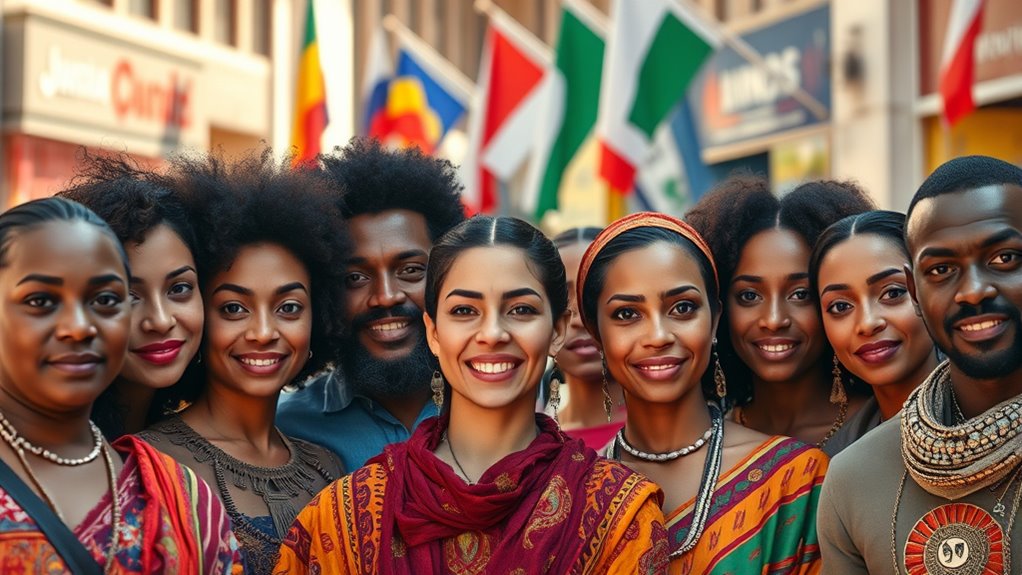
As the entertainment industry becomes increasingly diverse, the demand for multicultural casting has surged. You’re no longer limited to a narrow portrayal of what stories and characters should look like. Today’s audiences seek authentic representation in media—stories that reflect the rich tapestry of real-world experiences and cultures. When casting actors from various backgrounds, you help promote cultural authenticity, ensuring characters resonate with genuine depth and accuracy. This isn’t just about filling roles; it’s about crafting narratives that honor the diversity of human experience. When you prioritize multicultural casting, you give voice to stories that might otherwise remain unheard, making your productions more relatable and impactful. Viewers are craving more than superficial diversity; they want to see genuine, nuanced portrayals that reflect their lives and histories. By doing so, you foster a greater sense of inclusion, breaking down stereotypes and challenging outdated narratives. This approach elevates your work and demonstrates a commitment to authenticity, which audiences can sense and appreciate. Representation in media is about more than just casting; it’s about shaping perceptions and fostering understanding. When you cast actors from different cultural backgrounds, you help audiences see the world through new lenses—breaking down prejudices and encouraging empathy. This kind of diversity in casting also opens doors for stories rooted in cultural traditions, struggles, and triumphs that need to be shared. It’s about giving authenticity to characters and worlds that deserve to be portrayed with respect and accuracy. You’ll find that authentic casting leads to stronger performances, as actors bring personal and cultural backgrounds that add richness to their characters. This authenticity makes your project stand out and creates a more immersive experience for viewers. *furthermore*, embracing multicultural casting aligns with broader societal shifts toward inclusivity and social justice. It signals that your production values all voices and recognizes the importance of diverse perspectives. As a filmmaker, producer, or casting director, your choices directly influence how culture is represented in media. You have the power to challenge stereotypes and elevate authentic stories that reflect reality. Incorporating growth mindset into casting decisions can foster a more open and adaptable creative environment, encouraging diverse talent to thrive. In doing so, you’re not only enriching your project but also contributing to a more honest and inclusive entertainment landscape. When you prioritize representation in media, you help foster a culture that celebrates differences rather than glossing over them. This commitment to cultural authenticity isn’t just good ethics; it’s good storytelling. It’s about creating content that truly resonates with audiences and reflects the beautiful complexity of our world.
multicultural casting director kit
As an affiliate, we earn on qualifying purchases.
As an affiliate, we earn on qualifying purchases.
Frequently Asked Questions
How Does Multicultural Casting Influence Audience Engagement?
Multicultural casting boosts audience engagement by enhancing cultural authenticity, making stories feel more genuine and relatable. When you see diverse characters, your perception of the story shifts positively, fostering a deeper connection. This authenticity resonates, capturing your interest more effectively. As a result, you’re more likely to stay engaged, appreciate the narrative, and feel represented, which strengthens your overall viewing experience and encourages broader social understanding.
What Challenges Do Filmmakers Face When Implementing Diverse Casting?
You’ll face casting bias like a relentless storm, making it feel impossible to find the perfect diverse actors. Budget constraints can seem like a mountain you’ll never climb, forcing you to choose between authenticity and affordability. Steering through stereotypes, limited networks, and preconceived notions amplifies the challenge, but perseverance and open-mindedness can break down these barriers. Embracing diversity may be tough, but it’s worth the effort to create a more authentic story.
Are There Specific Industries Prioritizing Multicultural Representation More Than Others?
You’ll find that industries like Hollywood, advertising, and theater are increasingly prioritizing multicultural representation through casting quotas. These sectors recognize the importance of reflecting diverse audiences and combating industry biases. By adopting these quotas, they aim to promote inclusivity and authenticity in storytelling. As a result, you’ll see more diverse actors getting opportunities, helping break down barriers created by longstanding industry biases, and fostering a more equitable entertainment landscape.
How Can Casting Directors Ensure Authentic Representation?
You can guarantee authentic representation by actively seeking diverse talent that genuinely reflects the characters’ backgrounds. Focus on casting authenticity by engaging with community organizations and listening to feedback from those communities. Understand how audience perception influences the portrayal of multicultural characters, and avoid stereotypes by prioritizing real stories and experiences. Collaborate with consultants or cultural advisors, and maintain an open, respectful dialogue throughout the casting process to promote genuine diversity.
What Are the Long-Term Impacts of Diverse Casting on Cultural Understanding?
You’ll foster cultural empathy and challenge societal perceptions through long-term diverse casting. It broadens audiences’ understanding of different backgrounds, reducing stereotypes and prejudices. When you prioritize authentic representation, you influence societal attitudes positively, encouraging acceptance and inclusion. Over time, this creates a more open, empathetic society where diverse stories are valued, and cultural understanding deepens. Your commitment to diversity in casting can truly transform societal perceptions and promote lasting cultural empathy.
diverse actor headshot portfolio
As an affiliate, we earn on qualifying purchases.
As an affiliate, we earn on qualifying purchases.
Conclusion
By embracing multicultural casting, you help create authentic stories that resonate with diverse audiences. Imagine a local theater casting actors of different backgrounds for a classic play—suddenly, the story feels more real and inclusive. This not only enriches the performance but also fosters understanding and representation. When you prioritize diversity, you’re not just changing casts; you’re shaping a more equal and empathetic world where everyone sees themselves on stage.
authentic representation acting guide
As an affiliate, we earn on qualifying purchases.
As an affiliate, we earn on qualifying purchases.
inclusive casting call templates
As an affiliate, we earn on qualifying purchases.
As an affiliate, we earn on qualifying purchases.
Halloween Picks
halloween
As an affiliate, we earn on qualifying purchases.