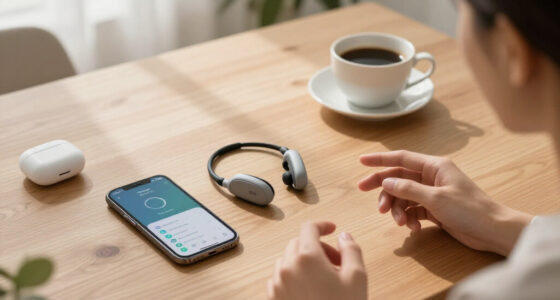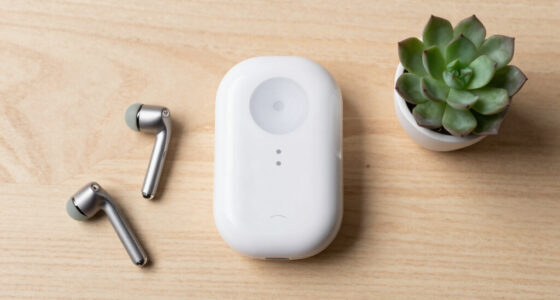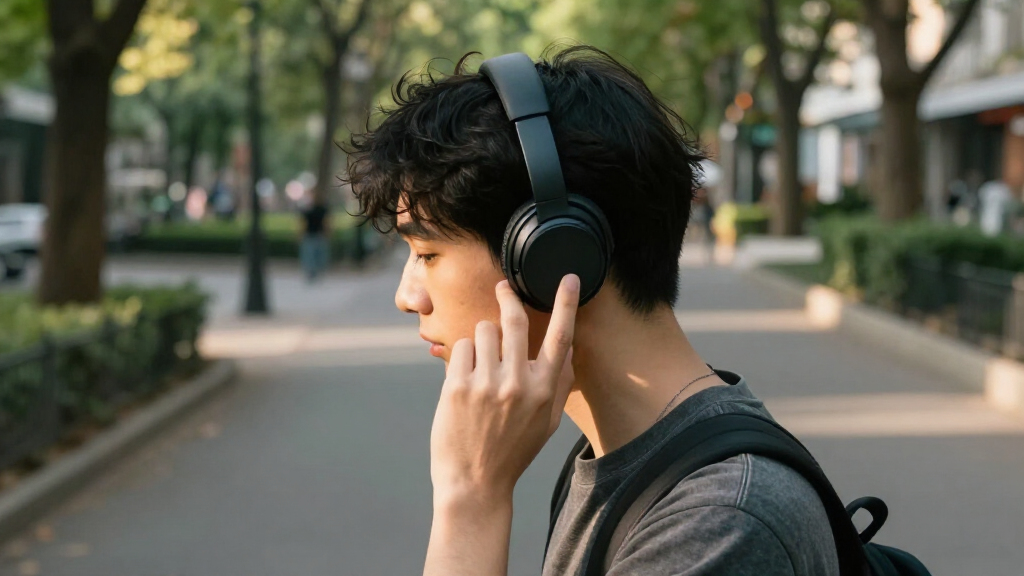

Bone conduction headphones for hearing loss vary widely: some are personal sound amplifiers, while others are Bluetooth headphones designed mainly for calls, music, or exercise. My best overall pick is the Blue Deer BD-F2H because its hearing-amplifier focus makes it a closer match for people seeking help with everyday listening than sport-first models. The FANSAISI TV headphones stand out for television listening, while the SHOKZ OpenRun Pro 2 suits buyers who value an open-ear sports design over hearing support. The main tradeoff is between amplification features and general-purpose convenience, and none of these products should be treated as a substitute for a hearing evaluation or prescribed hearing aids. Read on for the full comparison and a guide to choosing by listening need.

Get everyday helpers delivered free with Prime
- Fast, free delivery on millions of items
- Prime Video, Amazon Music and more included
- Member-only deals all year
Complete the kit


Key Takeaways
- Hearing amplifiers and Bluetooth headphones serve different needs: the Blue Deer BD-F2H, Blue Deer F2, HUHD, and other amplifier-focused models are more directly aimed at hearing assistance than exercise headsets.
- TV listening calls for a dedicated setup: FANSAISI includes a microphone transmitter, making it a more specific fit for television than general Bluetooth models.
- SHOKZ OpenRun Pro 2 models are sport-first choices: the standard and Mini versions emphasize open-ear exercise use, not hearing-loss-specific amplification.
- Fit and placement matter across the lineup: bone conduction depends on contact near the cheekbones, so comfort and stability can affect what the wearer hears.
- Product names can blur important distinctions: Paekole Q16 is described as open-ear Bluetooth earbuds, so buyers should verify that its design and hearing features match their expectations before choosing it as a bone-conduction aid.
| Vimaydo Bone Conduction Hearing Amplifier and Bluetooth Headphones |  | Best for Long Amplification Sessions | Design: Open-ear bone conduction | Modes: Sound amplification and Bluetooth | Digital processing: 16-channel | VIEW LATEST PRICE | See Our Full Breakdown |
| MOCODI WZ-18 Bone Conduction Bluetooth Headphones with Open-Ear Design |  | Best for Wet-Weather Wear | Model: WZ-18 | Design: Open-ear bone conduction | Weight: 0.8 oz | VIEW LATEST PRICE | See Our Full Breakdown |
| Blue Deer BD-F2H Bluetooth Bone Conduction Hearing Amplifiers |  | Best for Separate Ear-Level Adjustment | Model: BD-F2H | Connectivity: Bluetooth 5.3 | Fit and audio: Open-ear bone conduction | VIEW LATEST PRICE | See Our Full Breakdown |
| HUHD Bone Conduction Hearing Amplifier, Open-Ear, Rechargeable |  | Best for Extended TV and Conversation Listening | Model: HUHD-USAHA5; model number HUHD-N9 | Technology: Bone conduction | Fit: Open-ear, behind-the-ear | VIEW LATEST PRICE | See Our Full Breakdown |
| FANSAISI Wireless Bone Conduction TV Headphones with Microphone Transmitter |  | Best for TV Listening | Model: FSSBTZ10B | Audio technology: Bone conduction | Ear placement: Open ear | VIEW LATEST PRICE | See Our Full Breakdown |
| Raycon Bone Conduction Open-Ear Headphones, Gray |  | Best for Active Listening Outdoors | Audio driver: Bone conduction, 16 mm | Frequency response: 20 kHz | Sensitivity: 91 dB | VIEW LATEST PRICE | See Our Full Breakdown |
| Blue Deer F2 Bone Conduction Hearing Amplifier and Bluetooth Headphones |  | Best for Separate Left-Right Adjustment | Type: Bone conduction hearing amplifier and Bluetooth headphones | Bluetooth: Version 5.3; range up to 15 m | Battery life: 6+ hours | VIEW LATEST PRICE | See Our Full Breakdown |
| PulsZen A800 Bone Conduction Personal Sound Amplifier |  | Best for Adjustable Voice Listening | Audio tuning: 32 channels | Modes: Voice Mode and Bluetooth Mode | Volume control: 15 levels | VIEW LATEST PRICE | See Our Full Breakdown |
| DEMICEA LibreFit B8 Open-Ear Bone Conduction Headphones |  | Best for Long Battery Life | Frame: 0.7 mm memory-flex titanium alloy | Weight: 0.28 oz per earbud | Bluetooth: Version 5.3 | VIEW LATEST PRICE | See Our Full Breakdown |
| Paekole Q16 Open-Ear Bluetooth Earbuds |  | Best for Lightweight Calls and Everyday Use | Audio technology: Air conduction | Driver size: 14.2 mm | Weight: 5.1 g per earbud | VIEW LATEST PRICE | See Our Full Breakdown |
| SHOKZ OpenRun Pro 2 Mini Bone Conduction Bluetooth Sport Headphones, Black | 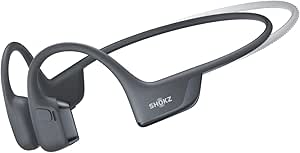 | Best for a Smaller Sport Fit | Model: S821 | Design: Open-ear; bone and air conduction drivers | Battery life: Up to 12 hours | VIEW LATEST PRICE | See Our Full Breakdown |
| PSIER X12 Bone Conduction Open-Ear Headphones |  | Best for App Features on a Lightweight Frame | Design: Open-ear bone conduction | Bluetooth: 6.0 | Weight: 23 g | VIEW LATEST PRICE | See Our Full Breakdown |
| SHOKZ OpenRun Pro 2 Bone Conduction Bluetooth Sport Headphones, Black |  | Best for Longer Sports Sessions | Model: OpenRun Pro 2 (S820) | Type: Bone conduction Bluetooth headphones | Fit: Open ear | VIEW LATEST PRICE | See Our Full Breakdown |
| MOCODI Z19 Bone Conduction Bluetooth Headphones |  | Best for Buyers Seeking Sound Amplification | Model: Z19 | Design: Open-ear bone conduction | Weight: 27 g | VIEW LATEST PRICE | See Our Full Breakdown |
| Coaxthon Open-Ear Bone Conduction Hearing Amplifier with Bluetooth |  | Best for Simple Physical Controls | Fit: Open-ear, neckband-style | Weight: 27 g | Hearing gain: Up to 35 dB for mild hearing loss | VIEW LATEST PRICE | See Our Full Breakdown |
| bone conduction headphones for hearing loss | Weight | Water resistance | Battery life |
|---|---|---|---|
| Vimaydo Bone Conduction Hearin | About 27 g | IPX5 | Up to 9 hours amplification; up to 6 hours Bluetooth |
| MOCODI WZ-18 Bone Conduction B | 0.8 oz | IP67 | Up to 9 hours |
| Blue Deer BD-F2H Bluetooth Bon | 30 g (1.06 oz) | IPX5 | Up to 8 hours |
| HUHD Bone Conduction Hearing A | — | — | — |
| FANSAISI Wireless Bone Conduct | 36 g | — | 6–8 hours |
| Raycon Bone Conduction Open-Ea | — | IP68 | — |
| Blue Deer F2 Bone Conduction H | 35 g | IPX5 | 6+ hours |
| PulsZen A800 Bone Conduction P | 35 g | IP56 | — |
| DEMICEA LibreFit B8 Open-Ear B | 0.28 oz per earbud | IP68 | Up to 15 hours per full charge; up to 60 hours with case |
| Paekole Q16 Open-Ear Bluetooth | 5.1 g per earbud | IP55 | Up to 10 hours per charge; up to 60 hours with case |
| SHOKZ OpenRun Pro 2 Mini Bone | 30 g | IP55 | Up to 12 hours |
| PSIER X12 Bone Conduction Open | 23 g | IPX5 | Up to 10 hours at 50% volume |
| SHOKZ OpenRun Pro 2 Bone Condu | 30.3 g | IP55 | Up to 12 hours |
| MOCODI Z19 Bone Conduction Blu | 27 g | IP67 | Up to 9 hours |
| Coaxthon Open-Ear Bone Conduct | 27 g | IPX8 | — |
More Details on Our Top Picks
Vimaydo Bone Conduction Hearing Amplifier and Bluetooth Headphones
The Vimaydo is the most clearly split-purpose choice here: amplification runs up to 9 hours, while Bluetooth listening is rated for up to 6. That makes it a stronger fit for extended conversation or daytime sound support than for all-day music streaming. Its 16-channel digital processing, four volume levels, and feedback reduction are aimed at making amplified listening more manageable, though four levels offer less fine adjustment than the Blue Deer BD-F2H’s independent left- and right-ear controls. At about 27 g, it is also lighter than the 30 g Blue Deer. The open-ear design keeps canals uncovered, but it does not block background noise, and this device should not be treated as a substitute for a hearing evaluation or prescribed hearing aid. The required 5V/1A adapter is another practical limitation.
Pros:- Combines sound amplification with Bluetooth listening for calls, music, and TV
- Open-ear fit leaves the ear canals uncovered
- About 27 g, lighter than the Blue Deer BD-F2H
- Amplification mode is rated for up to 9 hours
Cons:- Bluetooth mode is rated for only up to 6 hours
- Requires a 5V/1A power adapter
- Four volume levels provide limited adjustment granularity
Best for: People seeking a lightweight open-ear amplifier for conversations and TV, with Bluetooth available for shorter calls or music sessions
Not ideal for: Listeners who need longer Bluetooth playback, precise separate volume adjustment for each ear, or a medically fitted hearing aid
- Design:Open-ear bone conduction
- Modes:Sound amplification and Bluetooth
- Digital processing:16-channel
- Volume levels:4
- Weight:About 27 g
- Battery life:Up to 9 hours amplification; up to 6 hours Bluetooth
- Charging:Magnetic USB; approximately 2 hours to full charge
- Water resistance:IPX5
- Power adapter:5V/1A only
Our verdict“Choose the Vimaydo if lightweight, extended amplification matters more than long Bluetooth playback or independent ear-by-ear tuning.”
MOCODI WZ-18 Bone Conduction Bluetooth Headphones with Open-Ear Design
The MOCODI WZ-18 stands apart in this group for its IP67 waterproof rating, making it the clearest match for people who want open-ear sound support during sweaty outdoor activity or in wet conditions. Its flexible titanium wrap-around frame and 0.8 oz weight are designed to stay comfortable and secure, while Bluetooth supports calls and music alongside amplification. Compared with the Vimaydo, MOCODI trades detailed amplification specifications—such as Vimaydo’s stated 16-channel processing—for stronger water protection and a flexible memory-wire frame. The up-to-9-hour battery is useful for a full day of intermittent listening, but the open fit offers little isolation, so traffic, crowds, or noisy rooms may compete with speech. Buyers should also distinguish a sound amplifier from a hearing aid fitted to their hearing profile.
Pros:- IP67 waterproof rating is stronger than the IPX5 protection listed for Vimaydo and Blue Deer
- Flexible titanium wrap-around frame with Ni-Ti alloy memory wire
- Lightweight 0.8 oz design
- Up to 9 hours of battery life with Bluetooth calls and music support
Cons:- Open-ear fit provides little isolation from surrounding noise
- No independent left- and right-ear volume controls are listed
- Amplification processing details are not specified
Best for: Active listeners who want an open-ear amplifier and Bluetooth headset with a high water-resistance rating for exercise or wet-weather use
Not ideal for: People listening mainly in noisy indoor settings or those who need detailed, ear-specific amplification controls
- Model:WZ-18
- Design:Open-ear bone conduction
- Weight:0.8 oz
- Battery life:Up to 9 hours
- Water resistance:IP67
- Frame:Flexible titanium wrap-around frame with Ni-Ti alloy memory wire
- Connectivity:Bluetooth
- Microphone:Built-in HD microphone
- Enclosure material:ABS and polycarbonate
Our verdict“Pick the WZ-18 if water protection and a lightweight flexible frame matter more than detailed amplification controls or noise isolation.”
Blue Deer BD-F2H Bluetooth Bone Conduction Hearing Amplifiers
For buyers whose left and right ears need different levels, the BD-F2H has the most useful control advantage in this set: independent volume buttons for each ear. Its five-level volume memory and button or app control give it more adjustment options than the Vimaydo, which offers four volume levels without separate ear controls. The tradeoff is a shorter stated runtime—up to 8 hours versus up to 9 hours for both Vimaydo’s amplification mode and the MOCODI WZ-18. At 30 g, it is still light, and its nickel-titanium memory wire with silicone is designed for a flexible open-ear fit. IPX5 covers sweat and light splashes, not immersion, so it is less suitable for wet-weather use than MOCODI’s IP67 model. These controls can help tailor listening, but they do not replace professional hearing assessment.
Pros:- Independent left- and right-ear volume adjustment
- Five-level volume memory with button and app control
- Open-ear fit and 30 g weight support extended wear
- IPX5 resistance is suited to sweat and light splashes
Cons:- Up to 8 hours of battery life is shorter than the 9-hour claims for Vimaydo and MOCODI WZ-18
- IPX5 is not suitable for swimming, showering, or submersion
- Separate controls add complexity for buyers who want simple operation
Best for: People who want to adjust amplification separately for each ear and value app or button controls in a lightweight open-ear design
Not ideal for: Listeners who need waterproof headphones for swimming or heavy water exposure, or who prioritize the longest listed runtime
- Model:BD-F2H
- Connectivity:Bluetooth 5.3
- Fit and audio:Open-ear bone conduction
- Controls:Independent left/right volume buttons; button and app control
- Volume memory:5-level
- Battery life:Up to 8 hours
- Water resistance:IPX5
- Weight:30 g (1.06 oz)
- Materials:Nickel-titanium alloy memory wire and silicone
Our verdict“Choose the BD-F2H if ear-by-ear volume tuning is your priority and an 8-hour, splash-resistant runtime is enough.”
HUHD Bone Conduction Hearing Amplifier, Open-Ear, Rechargeable
The HUHD is the endurance-focused amplifier in this batch: its battery is advertised for up to 20 hours, well beyond the 8-hour Blue Deer BD-F2H and the Vimaydo’s 9-hour amplification rating. That longer stated working time may suit people who want to keep an amplifier on hand through extended TV sessions or a full day of conversations. HUHD also lists directional microphones and digital sound processing, features intended to help speech stand out, though the product data gives no processing-channel count or adjustable settings to compare with Vimaydo’s 16-channel processing and four volume levels. Its behind-the-ear open fit leaves the canal unobstructed, but there is no noise control, and results may vary with the surrounding environment. Compared with the TV-focused FANSAISI, HUHD has a longer advertised runtime but no listed microphone transmitter or connection details.
Pros:- Advertised working time of up to 20 hours exceeds the other listed runtimes in this batch
- Directional microphones and digital processing aim to support speech clarity
- Behind-the-ear open fit leaves the ear canal unobstructed
- Recommended for TV, conversations, outdoor activities, and noisy settings
Cons:- No noise-control feature is listed
- Sound performance may vary by environment
- Volume controls, connectivity, charging time, and water resistance are not specified
Best for: People who want a rechargeable open-ear amplifier for long TV sessions or extended conversation listening and value a long advertised runtime
Not ideal for: Buyers who need documented noise reduction, detailed fit or control specifications, or a dedicated TV transmitter connection
- Model:HUHD-USAHA5; model number HUHD-N9
- Technology:Bone conduction
- Fit:Open-ear, behind-the-ear
- Sound features:Digital sound processing and directional microphones
- Advertised working time:Up to 20 hours
- Power source:Battery powered
- Battery:One included lithium-ion battery
- Battery weight:2.5 g
- Included component:Cable
Our verdict“The HUHD is the better fit for long listening stretches if its advertised runtime matters more than detailed controls or a dedicated TV transmitter.”
FANSAISI Wireless Bone Conduction TV Headphones with Microphone Transmitter
The FANSAISI is the most purpose-built choice for TV in this group because it includes a microphone transmitter with up to 5 meters of pickup range and supports a 3.5 mm audio connection. That setup can help bring sound closer without covering the ears, while independent left- and right-side volume adjustment offers a useful advantage over the HUHD, which lists directional microphones but no separate ear controls or transmitter connection. The limitation is battery life: 6–8 hours per charge is shorter than the HUHD’s advertised 20 hours and the Vimaydo’s up-to-9-hour amplification mode. Its 36 g weight is also the heaviest stated figure among these five products. The open-ear design preserves awareness of nearby sounds, but does not isolate TV audio from household noise; check that the transmitter and connection suit your TV setup before choosing it.
Pros:- Includes a microphone transmitter with up to 5 meters of pickup range
- Supports Bluetooth and a 3.5 mm audio connection
- Independent left- and right-side volume adjustment
- Open-ear fit keeps the ears uncovered
Cons:- Battery life is limited to 6–8 hours per charge, shorter than HUHD’s advertised 20 hours
- At 36 g, it is heavier than the Vimaydo and Blue Deer BD-F2H
- TV connection suitability depends on the available audio output
Best for: TV viewers who want an open-ear listening option, a bundled microphone transmitter, and separate left/right volume adjustment
Not ideal for: People who need a full-day battery, a very light headset, or guaranteed compatibility with a TV lacking a suitable 3.5 mm audio output
- Model:FSSBTZ10B
- Audio technology:Bone conduction
- Ear placement:Open ear
- Transmitter pickup range:Up to 5 meters
- Battery life:6–8 hours
- Charging:Type-C; approximately 1.5 hours
- Weight:36 g
- Connectivity:Bluetooth and 3.5 mm audio connection
- Frequency range:20 Hz–20,000 Hz
Our verdict“Choose the FANSAISI for TV listening if its transmitter and separate ear controls suit your setup and a 6–8-hour runtime is sufficient.”
Raycon Bone Conduction Open-Ear Headphones, Gray
The Raycon is a straightforward pick for listeners who want to keep their ears open during runs or workouts. Its open-ear bone conduction design leaves ambient sounds audible, while the IP68 water resistance and adjustable fit suit active use. Compared with the Blue Deer F2, it is focused on listening rather than offering a dedicated hearing-amplifier mode or separate left and right volume controls. That distinction matters for anyone seeking help with everyday conversation: the Raycon’s listed features do not include sound amplification or hearing-specific adjustment. Its lack of noise control also means music and speech can be harder to hear in busy streets or loud gyms. I’d choose it for outdoor awareness and water resistance, not as a hearing-loss solution or a substitute for a hearing assessment.
Pros:- Open-ear design keeps surrounding sounds accessible
- IP68 water resistance suits wet workouts
- Adjustable fit allows repositioning
- Lightweight design is intended for active wear
Cons:- No dedicated hearing-amplifier mode or hearing-specific controls
- No noise control, so sound may be difficult to follow in noisy settings
Best for: Runners and fitness listeners who want open ears, a position-adjustable fit, and strong resistance to sweat and water.
Not ideal for: People seeking hearing amplification, independent left/right adjustment, or clearer listening in loud environments.
- Audio driver:Bone conduction, 16 mm
- Frequency response:20 kHz
- Sensitivity:91 dB
- Impedance:8 ohm
- Water resistance:IP68
- Charge time:2 hours
- Fit:Open ear, adjustable
- Warranty:1 year
Our verdict“Choose the Raycon for water-resistant outdoor listening, but pick the Blue Deer F2 if you need amplifier mode and separate left/right volume controls.”
Blue Deer F2 Bone Conduction Hearing Amplifier and Bluetooth Headphones
Among these five picks, the Blue Deer F2 is the most directly aimed at listeners who want an amplifier feature alongside Bluetooth audio. Its standout control is independent left and right volume, which gives users more flexibility than the Raycon, whose listed features center on workout listening rather than hearing adjustment. Physical buttons may also be easier to operate by feel than touch controls, though the product data does not specify a detailed tuning range or clinical hearing support. The 35 g frame and stated 6+ hours of battery life make it a practical everyday option, while IPX5 suits splashes and sweat better than heavy water exposure. The maker warns that it may not help with significant auditory nerve damage; anyone with hearing loss should seek professional guidance rather than assume an amplifier will address its cause.
Pros:- Combines hearing-amplifier and Bluetooth headphone modes
- Independent left and right volume controls
- Physical buttons provide direct control
- Lightweight 35 g frame with over 6 hours of stated use
Cons:- The product description warns it may not help with significant auditory nerve damage
- IPX5 offers less water protection than the Raycon’s IP68 rating
- No detailed tuning-channel or clinical fitting information is provided
Best for: Listeners who want a wearable sound-amplifier mode, Bluetooth playback, and separate volume adjustment for each side.
Not ideal for: People with significant auditory nerve damage, or anyone needing a device with documented clinical fitting and hearing-care support.
- Type:Bone conduction hearing amplifier and Bluetooth headphones
- Bluetooth:Version 5.3; range up to 15 m
- Battery life:6+ hours
- Water resistance:IPX5
- Weight:35 g
- Controls:Physical buttons; independent left/right volume
- Connectivity:Wireless Bluetooth
Our verdict“Pick the Blue Deer F2 if separate left/right volume and an amplifier mode matter more than the Raycon’s higher water-resistance rating.”
PulsZen A800 Bone Conduction Personal Sound Amplifier
The PulsZen A800 stands out for its 32-channel audio tuning and dedicated Voice mode, features that make it more oriented toward hearing conversations than the workout-first Raycon. Fifteen volume levels add a straightforward way to adjust loudness, while the open-ear fit avoids plugging the canals. The stated up to 15 hours of playback also gives it a longer listed runtime than the Blue Deer F2’s 6+ hours, which may suit longer days between charges. Still, channel count and noise reduction do not establish that the device is medically fitted or appropriate for a particular hearing loss. Its plastic construction and IP56 rating make it less compelling for heavy-water use than the Raycon’s IP68 rating. I’d treat this as a configurable personal sound amplifier, not as a replacement for professional hearing care.
Pros:- 32-channel audio tuning offers more adjustment than the Blue Deer F2’s listed controls
- Voice and Bluetooth modes support both conversation listening and wireless audio
- Up to 15 hours of stated playback
- Open-ear design and 35 g weight support extended wear
Cons:- IP56 protection is below the Raycon’s IP68 rating
- Two-hour charging cycle may be inconvenient between uses
- Product details do not establish clinical fitting or suitability for particular hearing conditions
Best for: Listeners who want a personal sound amplifier with Voice and Bluetooth modes, multiple tuning channels, and a long stated runtime.
Not ideal for: Buyers who need a clinically fitted hearing aid, substantial water protection, or proven support for a specific type of hearing loss.
- Audio tuning:32 channels
- Modes:Voice Mode and Bluetooth Mode
- Volume control:15 levels
- Playback time:Up to 15 hours
- Charging cycle:2 hours
- Water resistance:IP56
- Weight:35 g
- Fit:Open ear
Our verdict“Choose the PulsZen A800 for configurable voice-focused amplification and longer stated playback, but seek professional advice if you need hearing-loss treatment.”
DEMICEA LibreFit B8 Open-Ear Bone Conduction Headphones
The LibreFit B8 is the endurance pick here: it lists up to 15 hours per full charge, plus up to 60 hours with its charging case. That makes it a stronger match for frequent listening between charges than the Raycon, whose listed data gives a charge time but no battery runtime. Its flexible titanium-alloy frame and low stated per-earbud weight point toward a lighter, less rigid fit, while IP68 protection supports wet-weather use. The tradeoff is that this is presented as a Bluetooth headphone, not a hearing amplifier. Compared with the PulsZen A800, it gives up voice-focused modes and channel tuning in favor of battery endurance and general audio playback. No noise control is listed, so open-ear convenience can come with weaker audibility in noisy places.
Pros:- Up to 15 hours of playback per full charge and up to 60 hours with the case
- Five-minute quick charge is listed for one hour of playback
- Flexible titanium-alloy frame and low per-earbud weight
- IP68 water resistance
Cons:- Not described as a hearing amplifier and lacks the PulsZen A800’s voice mode and tuning channels
- No noise control is listed, which may limit listening in busy settings
- Full charging takes 2.5 hours
Best for: Frequent Bluetooth listeners who value long playback, a flexible lightweight frame, and water resistance over hearing-amplifier controls.
Not ideal for: People who need conversation amplification, adjustable hearing profiles, or better isolation from background noise.
- Frame:0.7 mm memory-flex titanium alloy
- Weight:0.28 oz per earbud
- Bluetooth:Version 5.3
- Audio codecs:AAC/SBC
- Battery life:Up to 15 hours per full charge; up to 60 hours with case
- Quick charge:5 minutes for 1 hour of playback
- Water resistance:IP68
- Driver:14 mm; 8 ohm impedance
Our verdict“Choose the LibreFit B8 for extended Bluetooth listening and a flexible, water-resistant fit, not for targeted hearing amplification.”
Paekole Q16 Open-Ear Bluetooth Earbuds
The Paekole Q16 is the lineup’s clear outlier: it uses air conduction, not bone conduction, so it should not be mistaken for a bone-conduction hearing amplifier. Its lightweight earhooks and noise-reducing microphones make it a practical option for calls and everyday listening while leaving the ears open. The stated battery life reaches up to 10 hours per charge and 60 hours with the case, though the product details also report an average of 8 hours per charge; I would plan around the lower figure. Compared with the DEMICEA LibreFit B8, the Paekole has call-focused microphones and a lighter per-earbud weight, but its IP55 rating is below the B8’s IP68. Open-ear playback also offers little help in noisy surroundings and does not provide hearing-specific amplification.
Pros:- Very light at 5.1 g per earbud, with flexible earhooks
- Noise-reducing microphones are suited to calls
- Up to 60 hours of total playtime is listed with the case
- IP55 sweat and water resistance
Cons:- Uses air conduction, so it does not meet the bone-conduction focus of this roundup
- Battery details conflict: up to 10 hours is stated, while product details list an 8-hour average
- Open-ear design offers less isolation from background noise than sealed earbuds
Best for: People who want lightweight open-ear Bluetooth earbuds for calls, exercise, and general listening, and do not require bone conduction.
Not ideal for: Buyers specifically seeking bone-conduction headphones or a hearing amplifier, or listeners who need sound isolation in noisy places.
- Audio technology:Air conduction
- Driver size:14.2 mm
- Weight:5.1 g per earbud
- Bluetooth:Version 6.1; range up to 15 m
- Battery life:Up to 10 hours per charge; up to 60 hours with case
- Water resistance:IP55
- Controls:Touch
- Compatibility:iOS, Android, and laptops
Our verdict“Choose the Paekole Q16 for light open-ear calls and everyday audio, but skip it if you specifically need bone conduction or hearing amplification.”
SHOKZ OpenRun Pro 2 Mini Bone Conduction Bluetooth Sport Headphones, Black
The OpenRun Pro 2 Mini pairs bone and air conduction drivers, a useful distinction for listeners who want open-ear awareness without giving up as much fullness as a basic bone-conduction design may provide. Its 30 g frame and ergonomic ear hooks are aimed at staying put during exercise, while up to 12 hours of battery life outlasts the PSIER X12’s listed 10 hours. For hearing loss, though, it is a sports headphone rather than a hearing aid: the listing gives no hearing-gain figure or individualized amplification controls. Its open fit also lets outside sound in, which can make listening harder in noisy places, and sound may be audible to people nearby. The app’s EQ modes offer some tailoring, but the MOCODI Z19 explicitly lists sound amplification. I’d choose this SHOKZ for a secure workout fit and calls, not as a substitute for a hearing assessment or prescribed device.
Pros:- Combines bone and air conduction drivers for a fuller open-ear listening approach
- Up to 12 hours of audio playback
- Lightweight 30 g frame with ergonomic ear hooks and memory wire for a stable sports fit
- Dual wind-resistant microphones with AI noise reduction support calls outdoors
Cons:- No hearing-gain level or hearing-aid-style fitting is specified
- Open-ear design provides limited isolation and can leak sound
- IP55 protection is for dust and water spray, not submersion
Best for: Active listeners who want a compact-feeling open-ear fit, long battery life, and clearer calls while exercising.
Not ideal for: People seeking a hearing aid or substantial, adjustable amplification for conversations, or listeners who need strong isolation in noisy settings.
- Model:S821
- Design:Open-ear; bone and air conduction drivers
- Battery life:Up to 12 hours
- Weight:30 g
- Water resistance:IP55
- Microphones:Dual wind-resistant microphones with AI noise reduction
- EQ modes:Classic Mode and Volume Boost Mode
- Warranty:2 years
Our verdict“Choose this for secure, feature-rich sports listening with open ears, but look elsewhere if your main need is verified hearing amplification.”
PSIER X12 Bone Conduction Open-Ear Headphones
The PSIER X12 is the lightest option among these five at 23 g, and its adjustable strap gives buyers another way to steady the fit. Bluetooth 6.0, USB-C charging, and up to 10 hours of playback make it a practical everyday and exercise pick; the SHOKZ OpenRun Pro 2 lasts longer at up to 12 hours and adds wind-focused call features, but weighs more. The X12’s companion app includes EQ settings alongside translation and AI music functions, yet none of those features establishes how much it can help with hearing loss. There is no specified hearing-gain level, so I would treat it as open-ear audio, not a hearing amplifier. Its IPX5 rating suits sweat and rain, not swimming, and the open design can still leak sound. The included earplugs may help with listening in some situations, but using them changes the open-ear experience.
Pros:- Light 23 g frame with an adjustable strap
- Up to 10 hours of playback at 50% volume
- USB-C charging with about two hours to full charge
- App offers EQ settings, plus translation and AI music features
Cons:- No hearing-gain specification or clinical hearing-support claim is provided
- IPX5 is not suitable for underwater use
- Open-ear sound may leak and offers limited isolation
Best for: Listeners who prioritize a very light, adjustable open-ear headset, USB-C charging, and app-based EQ for everyday audio.
Not ideal for: Buyers who need documented hearing amplification, underwater use, or longer playback than the SHOKZ OpenRun Pro 2 provides.
- Design:Open-ear bone conduction
- Bluetooth:6.0
- Weight:23 g
- Battery life:Up to 10 hours at 50% volume
- Charging:USB-C; about 2 hours to full charge
- Water resistance:IPX5
- Bluetooth range:33 ft
- App features:Adjustable EQ, AI music generation, and real-time translation across 91 languages
Our verdict“Pick the X12 for a lightweight, app-connected open-ear headset, not for dependable hearing-loss amplification.”
SHOKZ OpenRun Pro 2 Bone Conduction Bluetooth Sport Headphones, Black
For buyers choosing between the two SHOKZ entries, the standard-size OpenRun Pro 2 offers the same stated headline battery life and mixed bone-and-air conduction approach as the Mini, but this listing does not call out the Mini’s sizing distinction. Its up to 12 hours of playback, 30.3 g weight, and secure open-ear sports fit suit longer workouts where awareness of surroundings matters. Wind-resistant microphones and dedicated EQ modes add practical flexibility, although the supplied specs do not detail the EQ choices as clearly as the Mini listing does. The key limitation for this roundup is that neither the OpenRun Pro 2 nor its Mini version specifies hearing gain or a hearing-aid fitting process. Compared with the MOCODI Z19, which at least describes sound amplification, this is better framed as a sports audio headset than a hearing-loss solution. Open fit also means less isolation and possible sound leakage.
Pros:- Up to 12 hours of battery life for extended listening sessions
- Open-ear fit helps keep environmental sounds audible
- Light 30.3 g design intended to stay secure during exercise
- Wind-resistant microphones with AI noise reduction support calls
Cons:- No hearing-gain figure or hearing-aid-style customization is listed
- Open fit offers less sound isolation and may leak audio
- The listed frequency response of 2400 MHz appears unusual and is not useful for judging audible performance
Best for: Runners and active listeners who want an open-ear headset with long stated playback and call-focused microphone features.
Not ideal for: People whose priority is adjustable, documented amplification for hearing loss, or a more isolated listening experience.
- Model:OpenRun Pro 2 (S820)
- Type:Bone conduction Bluetooth headphones
- Fit:Open ear
- Battery life:Up to 12 hours
- Weight:30.3 g
- Water resistance:IP55
- Controls:Buttons and remote controller
- Warranty:2 years
Our verdict“Choose the OpenRun Pro 2 for long, aware sports listening, but not if you need a purpose-built hearing amplifier.”
MOCODI Z19 Bone Conduction Bluetooth Headphones
The MOCODI Z19 is the most directly relevant of these five to readers looking for hearing support: its description explicitly mentions sound amplification alongside Bluetooth streaming, while the SHOKZ OpenRun Pro 2 listings focus on sports audio and do not state a hearing-gain level. That distinction makes the Z19 worth a closer look, but the available details do not say how much amplification it provides or whether it can be tuned to an individual hearing profile. I would not treat that wording alone as proof it can replace a hearing aid. Its 27 g titanium-and-silicone frame and up to nine hours of use trade a little endurance for a lighter build than the SHOKZ models’ listed 12 hours. IP67 protection gives it a stronger stated water-resistance rating than the PSIER X12’s IPX5, but it has no app for sound customization and only a one-year warranty.
Pros:- Description includes sound amplification as well as Bluetooth audio
- Open-ear design leaves ear canals uncovered
- Light 27 g frame combines titanium and silicone ear hooks
- IP67 water-resistance rating
Cons:- No amplification level or individualized fitting details are provided
- Up to 9 hours of use is less than the SHOKZ OpenRun Pro 2’s stated 12 hours
- No smartphone app for sound customization; warranty is one year
Best for: Listeners who want an open-ear Bluetooth headset whose product description explicitly includes sound amplification, and who are willing to confirm its suitability with the seller or a hearing professional.
Not ideal for: People who need a documented gain level, personalized hearing settings, longer battery life, or app-based sound adjustments.
- Model:Z19
- Design:Open-ear bone conduction
- Weight:27 g
- Battery life:Up to 9 hours
- Water resistance:IP67
- Microphone:Built-in HD microphone
- Warranty:1 year
- Color:Gray Black
Our verdict“Consider the Z19 if explicit amplification language matters, but verify its gain and fit for your hearing needs before buying.”
Coaxthon Open-Ear Bone Conduction Hearing Amplifier with Bluetooth
Unlike the SHOKZ OpenRun Pro 2 models, the Coaxthon is presented as a hearing amplifier, with a stated 35 dB gain for mild hearing loss. That makes it the clearest match here for buyers specifically seeking amplification rather than sports audio alone. Physical buttons and voice prompts may also be easier to operate than app-dependent options such as the PSIER X12. The important battery distinction is that its 10–15 hours refers to daily use, while Bluetooth playback lasts only four to five hours; that is a shorter music window than either SHOKZ model’s stated 12 hours. Its 27 g neckband-style design and IPX8 rating suit daily wear and wet conditions, but the supplied data does not specify customizable hearing profiles or a detailed fitting process. I’d verify that the stated gain and controls fit your needs, especially for hearing loss beyond the mild range.
Pros:- States up to 35 dB gain for mild hearing loss
- Physical buttons and voice prompts simplify operation
- Open-ear, 27 g neckband-style design
- Supports Bluetooth 5.3 audio and calls
Cons:- Bluetooth playback is listed at only 4–5 hours per charge
- No personalized hearing profile or fitting details are specified
- The stated gain is aimed at mild hearing loss, not every level or type of impairment
Best for: People with mild hearing loss who want a stated amplification level, straightforward physical controls, and voice prompts rather than app-led operation.
Not ideal for: Listeners who expect long Bluetooth music sessions, need individualized hearing-aid fitting, or have hearing needs beyond the product’s stated mild-loss use.
- Fit:Open-ear, neckband-style
- Weight:27 g
- Hearing gain:Up to 35 dB for mild hearing loss
- Bluetooth:5.3
- Daily-use battery life:10–15 hours
- Bluetooth playback battery life:4–5 hours
- Controls:Physical buttons and voice prompts
- Water resistance:IPX8
Our verdict“Choose the Coaxthon for plainly stated mild-loss amplification and simple controls, but not for extended Bluetooth listening or a tailored clinical fit.”
How We Picked
I ranked these products by how directly their stated design and features match the needs behind hearing loss, rather than treating every open-ear headset as a hearing aid. Hearing-amplifier models received priority for shoppers seeking amplified environmental sound; the FANSAISI set was judged on its specific TV-listening setup, while SHOKZ and other general Bluetooth headsets were placed lower for this use case despite their appeal for sport or everyday audio. I also weighed usability, wearing style, likely fit needs, versatility, and whether the product’s stated purpose was clear.
The ranking reflects purpose fit first, then convenience and breadth of use. A product marketed as a hearing amplifier is not automatically suitable for every kind of hearing loss, and the available product names alone do not establish clinical performance or medical status. I gave lower priority to models whose descriptions focus on generic Bluetooth listening or whose naming leaves the transducer type unclear. Buyers should confirm current specifications, compatibility, return terms, and professional guidance before relying on any model for hearing support.
| bone conduction headphones for hearing loss | Water resistance |
|---|---|
| Vimaydo Bone Conduction Hearin | IPX5 |
| MOCODI WZ-18 Bone Conduction B | IP67 |
| Blue Deer BD-F2H Bluetooth Bon | IPX5 |
| HUHD Bone Conduction Hearing A | — |
| FANSAISI Wireless Bone Conduct | — |
| Raycon Bone Conduction Open-Ea | IP68 |
| Blue Deer F2 Bone Conduction H | IPX5 |
| PulsZen A800 Bone Conduction P | IP56 |
| DEMICEA LibreFit B8 Open-Ear B | IP68 |
| Paekole Q16 Open-Ear Bluetooth | IP55 |
| SHOKZ OpenRun Pro 2 Mini Bone | IP55 |
| PSIER X12 Bone Conduction Open | IPX5 |
| SHOKZ OpenRun Pro 2 Bone Condu | IP55 |
| MOCODI Z19 Bone Conduction Blu | IP67 |
| Coaxthon Open-Ear Bone Conduct | IPX8 |
Factors to Consider When Choosing Bone Conduction Headphones For Hearing Loss
Before choosing, decide what listening problem you are trying to solve. A device for conversations in a quiet room, a TV setup, and a running headset are not interchangeable, even when each uses an open-ear design. These factors can help narrow the field without assuming that one style suits every listener.
Separate Amplification From Ordinary Bluetooth Audio
Start by checking whether the product is explicitly designed to amplify nearby sound or simply plays audio from a phone. Those functions can coexist, but Bluetooth playback alone does not mean a headset will make conversations easier to hear. A common mistake is choosing a sports headset for hearing support because it leaves the ears uncovered; that describes wearing style, not amplification capability. If you need help hearing speech, look for clear information about amplification controls and intended use, then ask an audiologist whether that approach fits your hearing profile. General headphones may be a better match when your main goal is calls, music, or awareness while exercising.
Match the Device to the Listening Situation
Think about where the difficulty happens most often: television, one-to-one conversation, group settings, or outdoor activity. A transmitter-based TV system can reduce the hassle of pairing and routing sound from a television, while a Bluetooth headset may be more flexible across phones and other devices. Neither approach automatically improves speech in a noisy room, where competing voices and distance can remain the bigger problem. Avoid buying a multipurpose model on the assumption that it will perform equally well in every setting. If TV listening is the main need, check how the transmitter connects to your television and whether others can still hear the speakers.
Treat Fit and Placement as Part of Performance
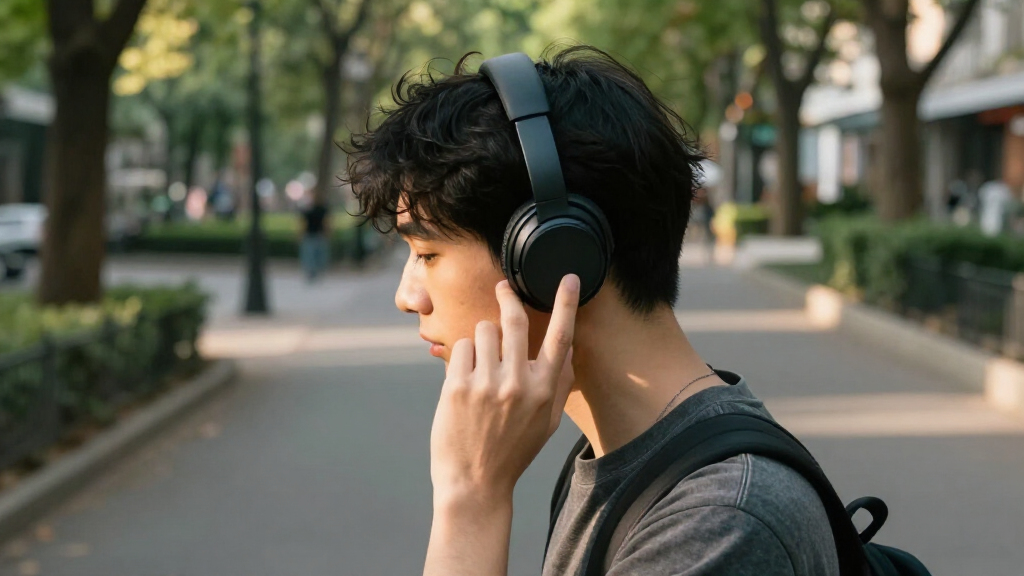
Bone conduction models need suitable contact around the cheekbone area, so head shape, glasses, and long wearing sessions can affect comfort and stability. A headset that shifts during movement may change how sound reaches the wearer, while a tight fit can become unpleasant over time. Check whether a model has a size option, such as the SHOKZ Mini, but do not assume a smaller frame is automatically more comfortable. When possible, favor a return policy that allows a fit check at home. The right fit should feel secure without pressure that distracts from listening.
Check Whether the Design Is Actually Bone Conduction
Open-ear is a broad label, not proof that a product uses bone conduction. Some open-ear devices direct sound through air near the ear, and product titles can use overlapping terms that make the distinction hard to spot. Confirm the transducer type in the manufacturer’s specifications before ordering, particularly for options described as earbuds. This matters because the listening experience, sound leakage, and fit can differ between air-conduction open-ear designs and bone-conduction headsets. If the listing is vague, treat that uncertainty as a reason to compare alternatives rather than assuming the product will meet a hearing-support need.
Set Realistic Expectations About Hearing Support
Personal sound amplifiers may make some sounds easier to hear, but they are not interchangeable with hearing aids fitted to an individual’s hearing loss. Amplifying all sounds can also make background noise louder, which may not help speech clarity in busy places. If hearing has changed suddenly, affects one ear much more than the other, or comes with pain or dizziness, seek medical advice rather than relying on a consumer headset. For ongoing difficulty, a hearing assessment can help identify whether amplification, hearing aids, or another option makes sense. Treat product descriptions as a starting point, not a diagnosis or guarantee of benefit.
Decide Which Convenience Features Are Worth Prioritizing
Think through your routine before paying for features you may not use: TV transmitters, Bluetooth pairing, microphone support, exercise stability, and a compact fit solve different problems. A dedicated TV kit may be simpler for home viewing but less versatile for calls and commuting. A sport headset can suit workouts yet lack the amplification controls you want for conversation. Also check charging method, battery information, device compatibility, and whether the controls are easy to operate without looking. Choose the smallest set of features that addresses your main listening situation, then confirm it can also handle your secondary use.
Frequently Asked Questions
Can bone conduction headphones replace hearing aids?
Not by default. Consumer bone-conduction headphones and personal sound amplifiers are not necessarily fitted or programmed to match an individual hearing profile, while hearing aids are selected and adjusted around hearing needs. Some people may find an amplifier useful for particular situations, but that does not make it a substitute for clinical evaluation. Ask an audiologist whether the device type is appropriate for your hearing pattern, especially if speech clarity is the main concern. Do not delay medical care for sudden or changing hearing loss.
Should I choose a hearing amplifier or a regular Bluetooth headset?
Choose based on the job you need the device to do. A hearing-amplifier model is the more relevant starting point if you want help hearing nearby sounds, while a standard Bluetooth headset is usually aimed at calls, music, or exercise audio. Some products combine these functions, but the presence of Bluetooth does not confirm that amplification is suitable or adjustable. Compare the intended use and controls before focusing on connectivity. If you are unsure whether amplification would help, discuss it with a hearing professional.
Will bone conduction help me hear conversations in a noisy room?
It may not solve that problem on its own. Background noise, distance, and overlapping voices can make speech hard to follow even when sound is amplified, and amplifying more sound may also raise the noise level. A quiet position facing the speaker, reduced background audio, and good lighting for visual cues can sometimes help more than changing headphones. If noisy settings are where you struggle most, ask a hearing professional about options intended for speech-in-noise needs. Check any product’s stated features rather than assuming an open-ear design filters noise.
How can I tell whether an open-ear product is bone conduction?
Look for an explicit description of bone-conduction transducers in the manufacturer’s specifications, not just the phrase “open-ear.” Open-ear products can also use small speakers that direct sound toward the ear without sealing the canal. The distinction affects how the device sits, how sound is delivered, and whether it matches your preference. If a listing uses both terms loosely or does not identify the technology, confirm with the manufacturer before buying. This check is particularly useful for products described as earbuds.
What should I check before buying a TV listening headset?
Confirm how the transmitter connects to your television, whether it supports the TV’s available audio outputs, and whether the headset can be used while it charges. Also check whether the setup lets other people hear the television through its speakers at the same time. A dedicated transmitter can simplify home listening, but it may be less convenient for phone calls or portable use than a Bluetooth-first headset. Think about where you sit and whether you need to move around while listening. If the connection method is unclear, verify it before ordering rather than assuming it will work with your TV.
Conclusion
For a hearing-support-first shortlist, I would begin with the Blue Deer BD-F2H as the best overall match in this lineup, while treating any amplifier as a personal listening aid rather than a hearing-aid replacement. The Blue Deer F2 is a reasonable value-oriented alternative for buyers comparing amplifier-focused models, and the SHOKZ OpenRun Pro 2 is my best premium-style pick for someone whose priority is sport and open-ear Bluetooth use rather than hearing assistance. For beginners, I would start by identifying one specific listening problem and compare the HUHD or PulsZen A800 with professional guidance before committing. For television, choose the FANSAISI system; for a smaller sport fit, compare the SHOKZ OpenRun Pro 2 Mini. If your main goal is clearer speech or you have an untreated hearing concern, arrange a hearing assessment first and use these products as options to discuss.
Halloween Picks

Pumpkin Halloween Fog Machine with 12-Color LED Lights, Bluetooth Speaker, and Remote

JOYIN 5-Foot Halloween Animatronic Drinking Skeleton

10ft Halloween Inflatable Archway – Pumpkin Skeleton Yard Décor
As an affiliate, we earn on qualifying purchases.