
To voice elders credibly without strain, focus on strengthening breathing and vocal muscles through gentle warm-ups like humming or lip trills. Use diaphragmatic breathing to support sustained speech, and practice pitch control with exercises that boost resonance and clarity. Remember to be patient and normalize age-related changes, fostering confidence while avoiding overexertion. With consistent effort and proper techniques, you can help elders share their experiences with dignity and ease—your next step is right here.
Key Takeaways
- Implement targeted voice exercises like humming, lip trills, and sustained vowels to strengthen vocal muscles and improve clarity.
- Practice diaphragmatic breathing to enhance breath support, reducing strain and promoting a natural, confident voice.
- Normalize age-related voice changes, emphasizing progress and patience to build elders’ confidence without discomfort.
- Incorporate pitch modulation exercises, such as pitch slides, to add expressiveness and improve voice credibility.
- Provide a supportive environment with reassurance and tailored training to preserve elders’ dignity and effective community voice.

Voicing elders is an indispensable step toward honoring their experiences and guaranteeing their perspectives shape our communities. As you work to empower older adults to share their stories and opinions confidently, understanding how voice training can help is critical. Age-related changes naturally impact the voice, making it more challenging for seniors to speak with clarity and strength. These changes include a decrease in vocal range, vocal fold thinning, and reduced breath support, which can cause strain, fatigue, or a weak tone. Recognizing these effects is the first step toward providing effective support, guaranteeing elders can communicate without discomfort or frustration.
You can help elders maintain a credible and expressive voice by encouraging targeted voice training. This training involves specific exercises designed to strengthen vocal muscles, improve breath control, and enhance pitch flexibility. It’s about more than just speaking loudly; it’s about speaking clearly, with confidence, and without strain. When you guide elders through gentle warm-ups, such as humming, lip trills, or sustained vowels, you help them activate the muscles involved in voice production. These activities counteract some age-related changes, restoring a sense of vitality and ease in their speech. Research indicates that consistent voice exercises can significantly improve vocal strength and quality in older adults, promoting voice health.
Encourage elders with warm-ups like humming and lip trills to restore confidence and clarity in their voices.
Breath support plays a significant role in maintaining a strong, credible voice. As you work with elders, emphasize exercises that promote diaphragmatic breathing. Proper breath control reduces effort and prevents voice fatigue, which often occurs when elders try to compensate for weakened vocal cords by forcing their voice. Over time, consistent practice allows seniors to speak with less effort and more natural resonance, helping their voice sound more authoritative and engaging.
Another important aspect is pitch modulation. Age-related changes can cause voices to become monotone or overly soft. Voice training can help elders regain control over pitch, adding expressiveness and clarity to their speech. By practicing simple exercises like pitch slides or reading aloud with varied intonation, they develop a more dynamic and credible voice. This not only boosts their confidence but also guarantees their message is conveyed effectively and authentically.
Supporting elders through tailored voice training also involves patience and reassurance. It’s crucial to normalize age-related changes and focus on progress rather than perfection. With consistent effort, elders can achieve a credible, strain-free voice that respects their age while allowing their rich experiences to be shared clearly. This process helps preserve their dignity, guaranteeing their voices remain an influential part of our communities.

Varihum&Innvox Vocal Trainer Better Voice Vocal Trainer for Singing Voice Adjustable Resistance Breathing Training Whistle for Speech Warm-Up (Red)
Varihum&Innvox Vocal Trainer for Progressive Vocal Training: Easily adjust resistance with a smooth rolling wheel to match your…
As an affiliate, we earn on qualifying purchases.
As an affiliate, we earn on qualifying purchases.
Frequently Asked Questions
How Can Elders Improve Their Vocal Projection Naturally?
To improve your vocal projection naturally, focus on breath control by taking deep, diaphragmatic breaths to support your voice. Practice pitch modulation to add variety and clarity, preventing strain. Engage in gentle vocal exercises like humming or sirening to strengthen your voice muscles. Stay hydrated, maintain good posture, and avoid shouting. These habits help you project confidently while keeping your voice healthy and effortless.
What Are Common Vocal Health Issues for Aging Voices?
You might face vocal health issues like vocal cord deterioration and pitch instability as you age. These changes happen because your vocal cords lose elasticity and strength, making it harder to produce clear, stable sounds. To protect your voice, stay hydrated, avoid strain, and practice gentle vocal exercises. Regular check-ups with a voice specialist can also catch issues early, helping you maintain a confident, healthy voice without unnecessary strain.
Are There Specific Exercises to Maintain Vocal Strength?
You can maintain vocal strength by practicing daily vocal warm-ups that focus on breath control and gentle stretching. Incorporate exercises like sustained hums, lip trills, and deep breathing to build stamina and flexibility. These techniques help improve airflow, reduce strain, and keep your voice vibrant as you age. Consistency is key—make these exercises part of your routine to enjoy a strong, credible voice without strain.
How Does Hydration Affect an Elder’s Voice Quality?
Did you know that staying well-hydrated can improve an elder’s voice quality considerably? Hydration benefits your voice by keeping the vocal cords moist, which enhances clarity and reduces strain. When you drink enough water, you help maintain vocal flexibility and prevent dryness and irritation. Proper hydration is a simple yet powerful way to guarantee your voice remains clear, strong, and credible, making speaking more comfortable and effective.
When Should an Elder Seek Professional Vocal Coaching?
If you notice age-related hearing loss affecting your voice clarity or struggle with vocal fatigue, it’s time to seek professional vocal coaching. A coach can help you develop effective vocal warm-up routines and techniques tailored for your changing voice. Don’t wait until strain worsens; early intervention guarantees you maintain a credible, healthy voice, making communication easier and more confident as you age.

Inhale Respiratory Trainer | Lung Strengthening Breathing Exercise Device | Made in USA | Adjustable Bi-Directional Resistance | Medical Grade Silicone Mouthpiece | Carrying Case Included
✅ DESIGNED & ASSEMBLED IN THE USA — Unlike competing breathing trainers sourced overseas, the Inhale Respiratory Trainer…
As an affiliate, we earn on qualifying purchases.
As an affiliate, we earn on qualifying purchases.
Conclusion
Just as Icarus sought to soar higher and be seen, your voice as an elder deserves to be heard without strain. Embrace your age with confidence, knowing that credibility isn’t about perfection but authenticity. When you speak your truth, you echo the timeless wisdom of those who came before, reminding us all that true strength lies in embracing who we are—flaws and all. Your voice is your legacy; let it soar freely and sincerely.
Varihum&Innvox Vocal Trainer Better Voice Vocal Trainer for Singing Voice Adjustable Resistance Breathing Training Whistle for Speech Warm-Up (Red)
Varihum&Innvox Vocal Trainer for Progressive Vocal Training: Easily adjust resistance with a smooth rolling wheel to match your…
As an affiliate, we earn on qualifying purchases.
As an affiliate, we earn on qualifying purchases.
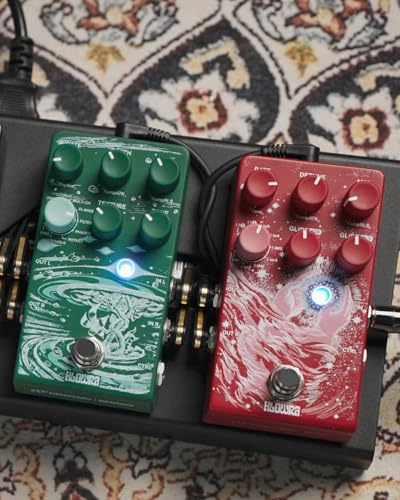
Klowra Sprout Modulation Pedal+Vein Pitch Shifter for Electric Guitar
Sprout Modulation Pedal – Studio-quality chorus, flanger, phaser, vibrato, and rotary effects with stereo width, Ramp sweep control,…
As an affiliate, we earn on qualifying purchases.
As an affiliate, we earn on qualifying purchases.