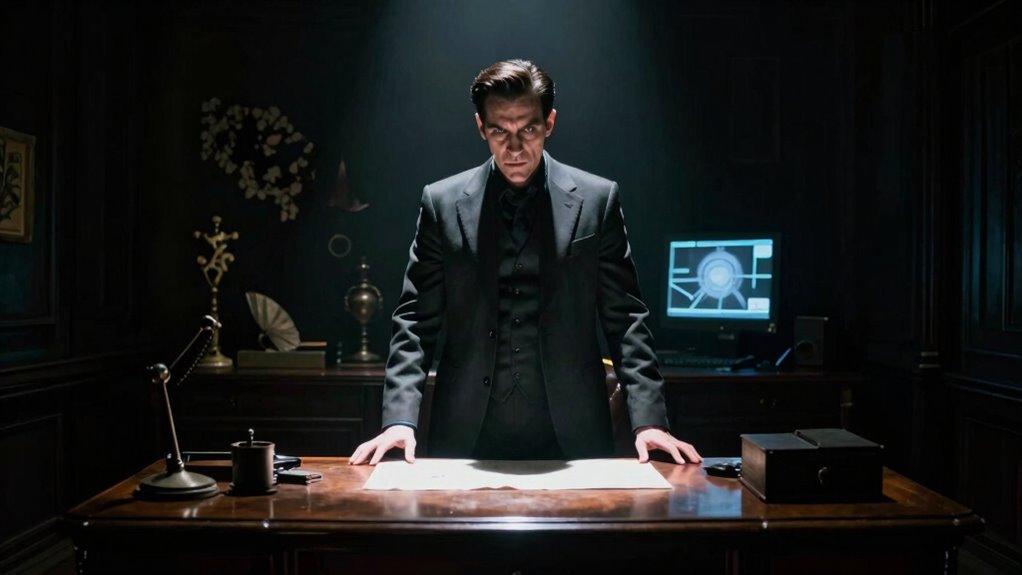

To make a villain monologue land with weight, you need to reveal their true nature, motivations, and worldview, making them complex and relatable. Connect it to larger themes like power or justice to deepen the story’s message. Deliver it with authenticity, reflecting their personality and backstory, so it feels genuine. Use visual symbolism and emotional weight to reinforce the speech, creating a memorable moment. If you keep exploring, you’ll discover how to craft truly impactful villain speeches.

Get everyday helpers delivered free with Prime
- Fast, free delivery on millions of items
- Prime Video, Amazon Music and more included
- Member-only deals all year
Key Takeaways
- Authenticity and genuine delivery rooted in the villain’s personality and backstory.
- Deep thematic resonance that aligns with the story’s core messages and moral questions.
- Character development that reveals motivations, worldview, and complexity beyond a mere foil.
- Visual and symbolic elements that reinforce emotional and thematic weight.
- A balanced scene that enriches themes, feels believable, and leaves a lasting emotional impact.
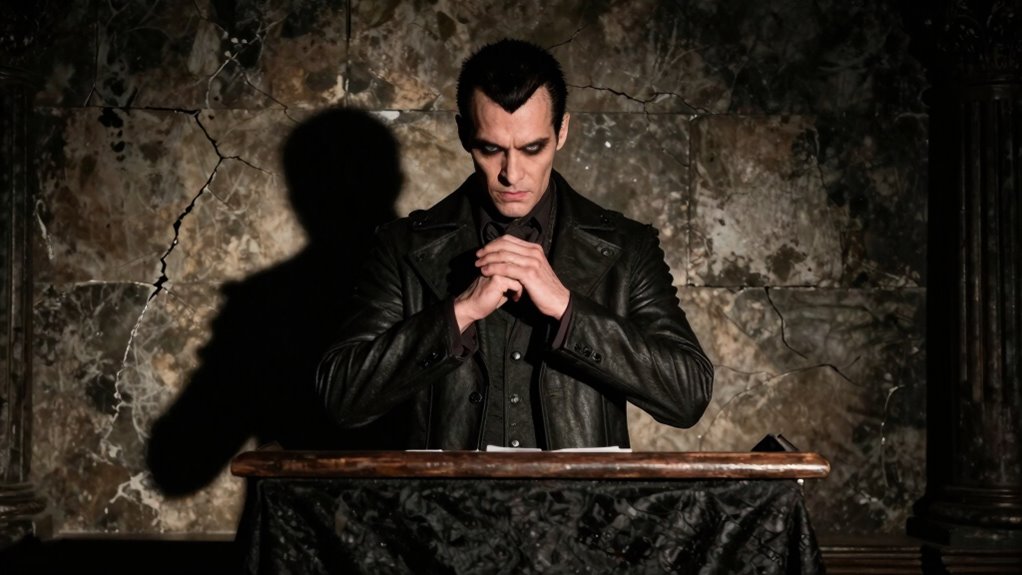
Have you ever wondered why some villain monologues resonate deeply while others fall flat? It’s often because of how well they reveal character development and create thematic resonance. When a villain takes the stage to deliver their speech, you’re not just listening to words; you’re witnessing a pivotal moment that exposes their true nature, motivations, and worldview. A monologue that succeeds in this regard makes you see the villain as more than just a foil to the hero—it makes them real, complex, and compelling. The best monologues don’t merely state their intentions; they peel back layers, showing how their past, beliefs, and experiences have shaped them. This development makes their words hit home, allowing you to understand their perspective, even if you don’t agree with it. It’s this insight that makes their speech resonate with weight, transforming it from mere villainy into an exploration of human nature.
Furthermore, a powerful villain monologue aligns with larger themes within the story, creating a sense of thematic resonance. Whether the story revolves around power, corruption, justice, or chaos, a monologue that echoes these themes deepens its impact. When a villain articulates their worldview in a way that connects to the story’s core message, it invites you to reflect on those themes. It becomes more than just a villain’s rant; it’s a reflection of the story’s moral questions and philosophical underpinnings. This thematic resonance makes the monologue memorable because it taps into universal ideas, prompting you to consider the larger implications of the villain’s words. Connecting the monologue to story themes helps elevate it beyond mere dialogue. Such moments elevate the monologue from simple dialogue to a profound statement about the story’s meaning. To make a villain monologue land with weight, you also need authenticity. When you speak with conviction and your words are rooted in genuine character development, they carry more power. The audience senses when a villain truly believes what they’re saying, which makes their monologue more impactful. When the speech aligns with the villain’s personality and backstory, it feels organic rather than forced. This consistency helps you connect with the villain on a deeper level, making their words linger in your mind long after the scene ends. Additionally, incorporating visual symbolism can reinforce the monologue’s emotional and thematic weight, making it more memorable. Ultimately, a villain’s monologue lands with weight when it reveals character in a way that enriches the story’s themes and feels genuine. It’s a delicate balance—one that, when achieved, turns a simple speech into a defining moment of storytelling.
As an affiliate, we earn on qualifying purchases.
Frequently Asked Questions
How Does Tone Influence a Villain Monologue’s Impact?
Your tone plays a vital role in a villain’s monologue, as tone manipulation shapes emotional resonance. If you use a menacing, calm voice, it heightens tension and makes the threat feel real. Conversely, a passionate or desperate tone can evoke empathy or fear. By carefully adjusting your tone, you influence how your words impact the audience, making the monologue more powerful and memorable.
Can Humor Undermine a Villain’s Monologue Effectiveness?
Yes, humor can undermine a villain’s monologue effectiveness if not used carefully. If you include comedic timing or slapstick humor, it might lessen the seriousness or menace of the villain, making them seem less threatening. While humor can add a unique touch, overdoing it risks diluting the monologue’s weight. Balance is key; use humor strategically to enhance, not weaken, the villain’s powerful message.
What Role Does Audience Perspective Play in Monologue Weight?
You hold the power to sway a monologue’s weight through your perspective. When you empathize with the villain, the emotional resonance deepens, making their words hit home. Your view shapes how impactful their message becomes—if you see their motives, their monologue resonates more. It’s a two-way street: your understanding amplifies the villain’s voice, turning a simple speech into something meaningful and memorable.
How Do Cultural Differences Affect Villain Monologue Reception?
Cultural differences profoundly influence how you perceive a villain’s monologue, as cultural nuances shape your understanding and emotional response. Language barriers can also dilute the impact if the monologue isn’t well-translated or culturally adapted. When a villain’s words resonate with your cultural context, you’re more likely to feel the weight and authenticity. Conversely, unfamiliar references or cultural misunderstandings can lessen the monologue’s power, making it less compelling to you.
Is Silence More Powerful Than Words in Villain Monologues?
Silence can be more powerful than words in villain monologues, embodying silent dominance and quiet intimidation. When you choose to remain silent, you force your audience to focus on your presence, creating tension and fear without uttering a single word. This restraint leaves a lasting impact, making your threat feel more real and immediate, as your silence speaks volumes and enhances your villain’s intimidating aura.
As an affiliate, we earn on qualifying purchases.
Conclusion
You realize that a villain’s monologue lands with weight because it taps into raw emotion and genuine conviction. When you believe in what they say, their words resonate deeply, making their motives feel real and inevitable. It’s not just about the villain’s words; it’s about how they make you feel, challenge your morals, and pull you into their world. That’s the true power of a monologue—it leaves an indelible mark on your soul.
As an affiliate, we earn on qualifying purchases.
As an affiliate, we earn on qualifying purchases.
Evergreen bestsellers Picks
bestsellers
As an affiliate, we earn on qualifying purchases.