
By 2025, AI voice synthesis will sound almost indistinguishable from real humans. It’ll capture subtle emotional cues, making conversations more natural and engaging. Emotional expression like joy, sadness, and empathy will come through clearly, creating stronger connections. Voice customization and accent adaptation will allow tailored, culturally relevant voices. As the technology learns from vast datasets, AI voices will feel authentic and relatable. Keep exploring to see how these advancements will transform virtual interactions even further.
Key Takeaways
- By 2025, AI voice synthesis will closely mimic human speech, capturing emotional nuances and natural intonation.
- Advances will enable AI voices to express complex emotions like empathy, joy, and sadness authentically.
- Customization and accent adaptation will allow highly personalized and culturally relevant virtual voices.
- Dataset-driven techniques will produce voices indistinguishable from real humans, with rich pronunciation and speech patterns.
- Overall, AI-generated speech will achieve near-human authenticity, transforming virtual interactions and communication experiences.
By 2025, AI voice synthesis has transformed how we communicate, making speech generation almost indistinguishable from real human voices. You can now listen to AI-generated speech that captures not just words but also the subtle nuances of human emotion. This leap forward means that conversations, audiobooks, and virtual interactions feel more natural and engaging than ever before. One of the key advancements driving this realism is the ability of AI to convey emotional expression. Instead of sounding flat or monotone, these systems can infuse their speech with joy, sadness, excitement, or empathy, depending on the context. As a result, your interactions with AI feel more genuine, fostering better understanding and connection. Whether you’re using a voice assistant, customer service chatbot, or virtual companion, the AI’s capacity to emulate emotional states adds a layer of authenticity that was previously impossible. Additionally, voice customization options are expanding, allowing users to tailor AI voices to specific preferences or branding needs, further enhancing the personalized experience.
Another critical breakthrough is accent adaptation. You no longer need to settle for a generic, one-size-fits-all voice. Modern AI voice synthesis can mimic a wide range of accents and dialects, making speech sound more localized and culturally relevant. If you’re communicating with someone from a different region, the AI can adapt its accent to match theirs, enhancing clarity and relatability. This feature is especially useful in global businesses, where personalized communication matters. It can also help in creating more inclusive virtual environments, allowing diverse voices to be represented accurately and respectfully. The technology learns from vast datasets, capturing the nuances of pronunciation, intonation, and speech patterns unique to each accent. As a result, the voices sound less synthetic and more like authentic human speakers, bridging gaps that once seemed insurmountable.
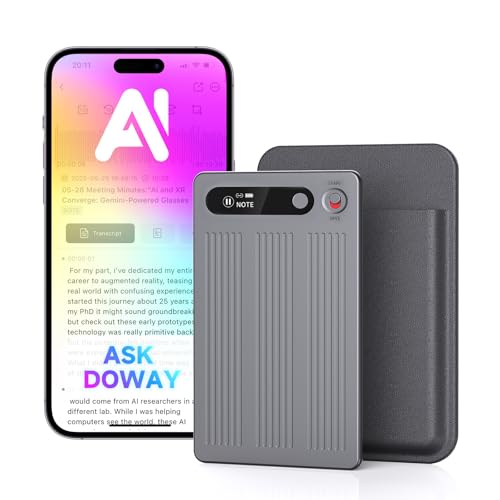
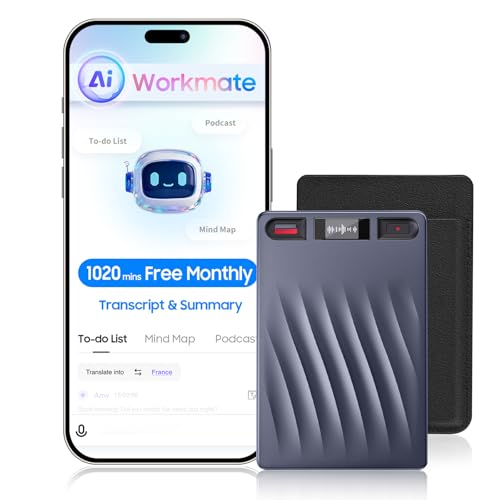
AI Voice Recorder with Transcribe&Summarize, App Control Audio Recorder Support Al Noise Cancellation Technology with 80+ Languages, Note Taker with 64GB Memory, Audio Device for Lecture, Meeting
Smarter Voice-to-Text: This voice recorder leverages GPT-5 AI to automatically transcribe, summarize, and visualize mind map. Whether you're…
As an affiliate, we earn on qualifying purchases.
As an affiliate, we earn on qualifying purchases.
Frequently Asked Questions
How Do AI Voice Synthesis Models Handle Emotional Expression?
You’ll find that AI voice synthesis models skillfully capture emotional nuance by analyzing subtle cues like tone, pitch, and rhythm. They use advanced algorithms to generate expressive intonation that mimics human feelings, making conversations feel more natural. While they might not fully grasp every emotion, these models continually improve, adding warmth and depth to voices, allowing you to connect on a more human level, even through artificial speech.
What Are the Privacy Concerns With Ai-Generated Voices?
You should be aware that privacy concerns with AI-generated voices involve risks to data privacy, as personal voice data might be stored or shared without your consent. There’s also a danger of misuse, like impersonation or deepfake creation. To protect yourself, make certain that companies implement strict misuse prevention measures and handle your voice data responsibly, safeguarding your identity and preventing unauthorized access or malicious use.
Can AI Voices Replicate Regional Accents Accurately?
Yes, AI voices can replicate regional accents accurately by analyzing regional pronunciation patterns and intonations. They learn from diverse voice data to preserve the nuances of specific accents, making the synthesis sound authentic. This technology helps maintain accent preservation, allowing for more natural and culturally respectful interactions. However, perfect replication varies depending on data quality and the complexity of the accent, but significant progress is underway.
How Do AI Voices Adapt to Different Languages and Dialects?
You might think AI voices mastering linguistic diversity and accent adaptation is a breeze, but it’s a bit more complex. They analyze vast datasets to mimic different languages and dialects, adjusting tone, pitch, and pronunciation. Still, subtle regional nuances can slip through, making some accents sound less authentic. While progress is impressive, don’t be surprised if your AI voice occasionally forgets where it’s from—like a tourist trying to blend in.
What Are the Limitations of Current AI Voice Synthesis Technologies?
You’ll find current AI voice synthesis technologies face limitations like ethical implications and intellectual property concerns. They may produce voices that lack emotional depth or natural variability, making them sound less authentic. Additionally, misuse risks, such as deepfakes or unauthorized voice cloning, raise ethical questions and legal challenges. As you develop or use these systems, it’s vital to address these issues responsibly to guarantee trust and fairness in voice technology advancements.
RECPOINT AI Voice Recorder, AI Note Taker w/APP Control and Transcription & Summarize, 150 Languages, Noise Cancellation, 64GB Memory, Pocket Note Pro Taking Device for Meeting, Interviews & Calls
Next-Gen GPT-5.2 AI: 98% Accuracy & Intelligent Analysis Experience the future of note-taking. Powered by the cutting-edge GPT-5.2…
As an affiliate, we earn on qualifying purchases.
As an affiliate, we earn on qualifying purchases.
Conclusion
By 2025, AI voice synthesis will paint vivid soundscapes that feel almost human, wrapping you in conversations that echo real emotion and nuance. Imagine speaking with a voice so natural, it’s like hearing a close friend’s whisper or a comforting voice from your favorite story. As technology sharpens, you’ll find yourself immersed in a world where synthetic voices blur seamlessly into your daily life, making every interaction feel genuine, warm, and undeniably real.

LIMU AI Voice Recorder Pro with App Control – 60h Battery, 64GB Metal AI Note Taking Device – GPT 5 Translation, Summaries & Mind Maps (125 Languages), 400 Min/Month – Digital Audio Recording Device
GPT 5 Transcription & Summaries: This AI voice recorder uses GPT 5 and turns talks into clean transcripts,…
As an affiliate, we earn on qualifying purchases.
As an affiliate, we earn on qualifying purchases.
AI Voice Recorder with Transcribe&Summarize, App Control Audio Recorder Support Al Noise Cancellation Technology with 80+ Languages, Note Taker with 64GB Memory, Audio Device for Lecture, Meeting
Smarter Voice-to-Text: This voice recorder leverages GPT-5 AI to automatically transcribe, summarize, and visualize mind map. Whether you're…
As an affiliate, we earn on qualifying purchases.
As an affiliate, we earn on qualifying purchases.