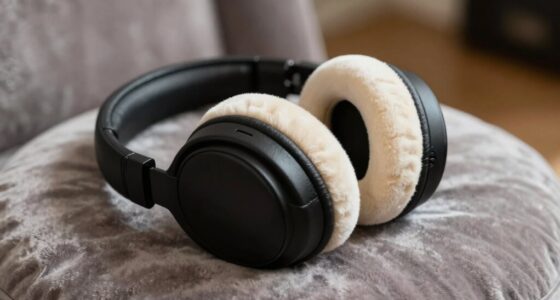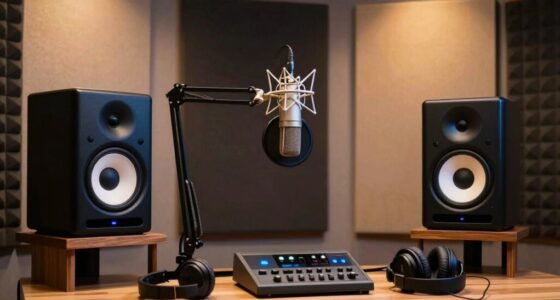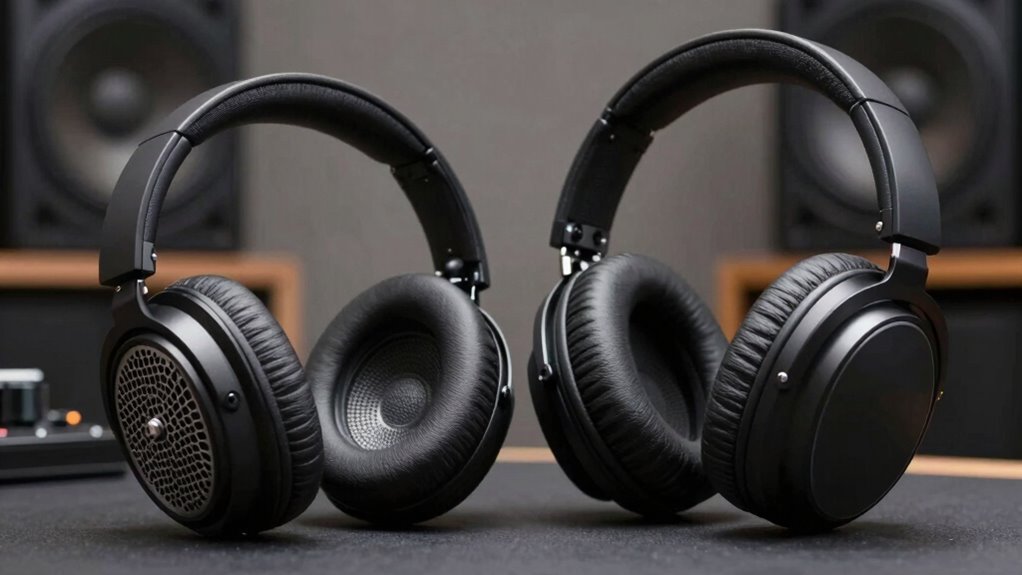
If you’re recording, closed-back headphones are ideal because they block external noise and prevent sound from leaking into microphones. For editing, open-back headphones offer a more natural sound and better spaciousness, helping you catch subtle details. Closed-backs provide better isolation but less natural sound, while open-backs improve comfort and audio clarity during long sessions. To make the best choice for your needs, keep exploring the differences that matter most to you.

Get everyday helpers delivered free with Prime
- Fast, free delivery on millions of items
- Prime Video, Amazon Music and more included
- Member-only deals all year
Key Takeaways
- Closed-back headphones are ideal for recording due to their excellent sound isolation and minimal sound bleed.
- Open-back headphones provide a more natural, spacious sound, making them better suited for editing and mixing.
- Closed-backs reduce external noise, helping focus during recordings in noisy environments.
- Open-backs allow for better detection of subtle audio details, beneficial for detailed editing.
- Comfort and environment influence choice: open-backs are more breathable for long sessions, while closed-backs suit noisy settings.
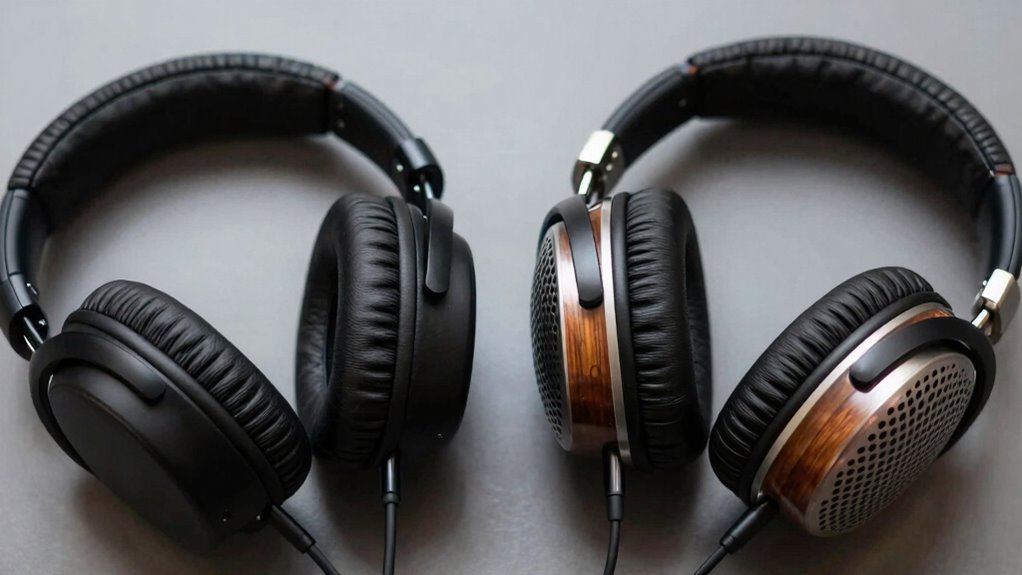
Have you ever wondered what distinguishes closed-back and open-back headphones from each other? When it comes to recording and editing, understanding these differences is crucial to selecting the appropriate pair. The primary distinction lies in how each type manages sound, especially regarding sound isolation and acoustic transparency. Closed-back headphones are constructed with a solid enclosure surrounding the ear cups, which traps sound inside. This design offers excellent sound isolation, making them perfect when you need to block out external noise or prevent your audio from leaking into microphones. If you’re recording vocals or instruments in a studio, closed-backs help maintain focus by keeping unwanted sounds out and preventing your playback from bleeding into your recordings.
On the other hand, open-back headphones feature ear cups with perforations or grills, allowing air and sound to pass freely between the ear and the environment. This design results in less sound isolation, making open-backs less effective at blocking external noise. But instead of isolating sound, they facilitate acoustic transparency. This means you experience a more natural, spacious sound that mimics real life, which is especially advantageous during mixing and mastering. When you’re editing, the clarity and sense of space offered by open-backs help you pick up subtle details that might be masked in closed-back models. Additionally, the airflow in open-backs can enhance comfort during extended use, reducing fatigue. However, because they leak sound both ways, open-back headphones are less suitable in noisy environments or when you need complete isolation, such as during recording sessions in shared spaces.
Choosing between the two depends on your priorities. If you need to focus on detailed editing with minimal external interference, closed-back headphones are often the best option. They allow you to concentrate and prevent sound bleed, ensuring your recordings stay clean. Conversely, if you’re working in a quiet environment and want a more natural listening experience to catch nuances in your mix, open-back headphones excel. They give you a sense of space and acoustic transparency that can make your editing more intuitive. Keep in mind that comfort also plays a role; open-backs tend to be more breathable, which can be beneficial during long editing sessions. Ultimately, understanding these differences helps you select the headphone type that aligns with your recording or editing needs, ensuring you achieve optimal sound quality and workflow.
closed-back studio headphones for recording
As an affiliate, we earn on qualifying purchases.
As an affiliate, we earn on qualifying purchases.
Frequently Asked Questions
Which Headphone Type Is Better for Mixing in Noisy Environments?
You should choose closed-back headphones for mixing in noisy environments because they offer superior noise isolation, blocking out external sounds effectively. This helps you focus on your mix without distractions. Open-back headphones, while providing better environmental awareness and a more natural sound, don’t isolate noise well, making them less suitable when background noise is a concern. For clarity and concentration in noisy settings, closed-back headphones are your best bet.
Do Open-Back Headphones Leak Sound More Than Closed-Back?
Yes, open-back headphones leak more sound than closed-back ones. This happens because open-back designs lack sound isolation, allowing sound to escape and be heard by others. Their wide frequency response provides a natural, spacious sound, but it also means more sound leakage. If you need privacy or minimal sound leak, closed-back headphones are better, as they contain sound and offer better sound isolation for recording and editing in shared spaces.
Are Open-Back Headphones Suitable for Live Recording Sessions?
Open-back headphones aren’t ideal for live recording sessions because they lack sound isolation, making them unsuitable for live recording compatibility. Instead, they offer a broader soundstage, giving you a more natural, spacious listening experience. While their open design enhances sound quality, it also causes sound leakage, which can interfere with microphones. For live recordings, closed-back headphones are better, as they keep sound contained and prevent unwanted noise.
How Do Headphones Affect the Accuracy of Vocal Monitoring?
Headphones greatly impact the accuracy of vocal monitoring by offering clear sound and proper frequency response. Closed-back headphones provide better sound isolation, preventing external noise from interfering, which helps you focus on details. Open-back headphones offer a more natural sound, making it easier to hear nuances in your vocals. Your choice influences how accurately you hear your voice, affecting your performance and mixing decisions.
Can Open-Back Headphones Cause More Ear Fatigue During Long Sessions?
Open-back headphones can cause more ear fatigue during long sessions, like running a marathon without a break. You might notice increased ear pressure because they lack sound isolation, allowing more ambient noise in. This can lead to your ears working harder to filter out distractions, causing fatigue faster. If you prefer comfort over sound isolation, open-backs are great, but be mindful of extended use to prevent discomfort.
open-back headphones for mixing and editing
As an affiliate, we earn on qualifying purchases.
As an affiliate, we earn on qualifying purchases.
Conclusion
Choosing between closed-back and open-back headphones is like picking the right pair of shoes for a marathon—you need comfort, support, and the right fit for your journey. Closed-backs are your reliable sneakers, blocking out distractions and keeping your focus sharp. Open-backs are like breathable sandals, offering clarity and openness. Ultimately, your choice shapes your creative path—so pick what feels best and run with it, knowing your soundscape is in good hands.
noise-isolating headphones for recording
As an affiliate, we earn on qualifying purchases.
As an affiliate, we earn on qualifying purchases.
comfortable open-back headphones for long sessions
As an affiliate, we earn on qualifying purchases.
As an affiliate, we earn on qualifying purchases.
Halloween Picks
halloween
As an affiliate, we earn on qualifying purchases.