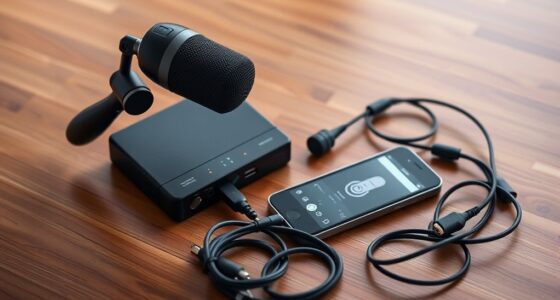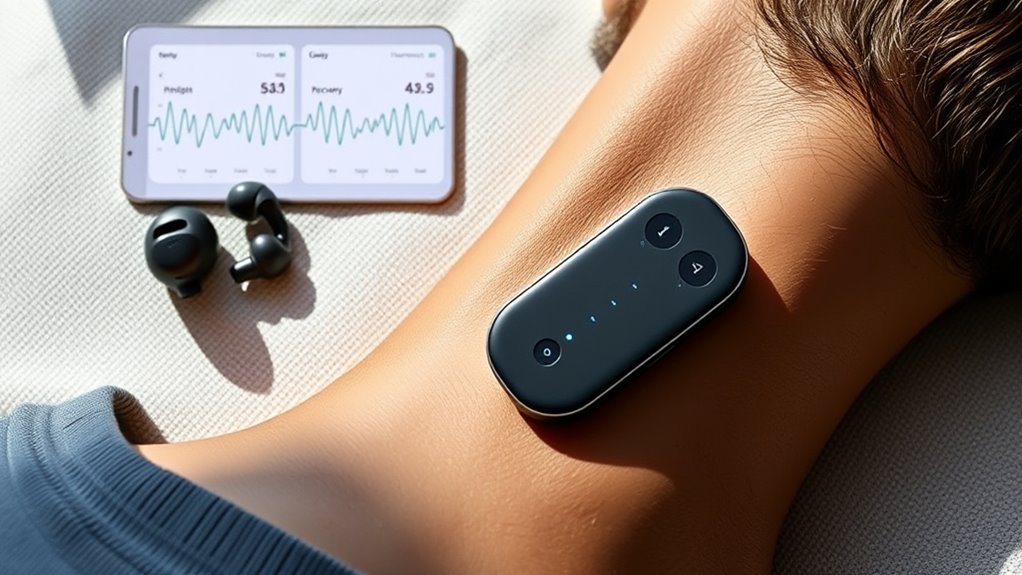

Voice health monitoring devices help you track vocal strain and recovery in real time, allowing you to catch early signs of fatigue before they worsen. They analyze your pitch, vocal patterns, and fatigue levels, giving you clear insights into how your voice is performing throughout the day. By monitoring these indicators, you can adjust your habits, rest when needed, and prevent long-term damage. Keep exploring to discover how these tools can enhance your vocal well-being and performance.
Key Takeaways
- Voice health devices monitor pitch stability and vocal fatigue in real time to detect early signs of strain.
- They provide visual feedback and personalized recommendations to prevent long-term vocal damage.
- Continuous tracking helps users identify patterns and adjust habits for faster recovery and better vocal endurance.
- Combining pitch analysis with fatigue monitoring offers a comprehensive overview of vocal health.
- These devices empower users to make data-driven decisions for sustainable voice use and improved performance.

Voice health monitoring devices are transforming how you track and maintain your vocal well-being. These innovative tools give you real-time insights into your vocal health, making it easier to identify early signs of strain and prevent long-term damage. One of the key issues these devices address is vocal fatigue, a common problem for singers, teachers, speakers, and anyone who relies heavily on their voice. Vocal fatigue occurs when your vocal cords become overused or strained, leading to reduced vocal quality, discomfort, and even potential injury. By monitoring your voice regularly, these devices help you catch signs of fatigue before they escalate, enabling you to take timely breaks and adjust your speaking or singing habits.
A significant feature of many voice health devices is pitch analysis. This technology tracks the pitch range and stability of your voice over time, providing valuable data about your vocal function. When your pitch varies unexpectedly or drops outside your normal range, it can indicate fatigue or strain. By analyzing pitch patterns, you receive immediate feedback on how your voice is performing during different activities, such as singing rehearsals, long speaking sessions, or intense vocal exercises. This information allows you to make informed decisions about when to rest or modify your technique, reducing the risk of vocal injury.
These devices often come equipped with user-friendly interfaces that display data visually, making it easy for you to understand your vocal health status at a glance. Some even offer personalized recommendations based on your ongoing voice patterns, such as suggesting vocal warm-ups or hydration strategies. By continuously tracking your vocal parameters, you develop a better awareness of your vocal habits and learn to recognize early warning signs of vocal fatigue. This proactive approach helps you build healthier vocal practices and extend your singing or speaking lifespan.
Moreover, the integration of pitch analysis and vocal fatigue monitoring creates a holistic picture of your vocal health. You can identify specific times of day or activities that put extra strain on your voice, allowing you to plan your practice or work schedule more effectively. Over time, this data can help you refine your technique, avoid overexertion, and recover more quickly from vocal strain or fatigue episodes. Additionally, understanding vocal health and storytelling can improve your overall communication skills and performance quality. Ultimately, voice health monitoring devices empower you to take control of your vocal well-being, fostering a sustainable approach to voice use that supports both performance and longevity.
Frequently Asked Questions
How Accurate Are Consumer-Grade Voice Health Monitoring Devices?
Consumer-grade voice health monitoring devices are generally quite accurate but do have device limitations. They effectively track voice strain and recovery, helping you prevent issues. However, you should be aware of potential inaccuracies due to hardware constraints. Also, consider data privacy—ensure the device manufacturer has strong security measures. Overall, they offer valuable insights, but don’t rely solely on them for medical diagnoses—use them as a helpful tool in your voice health routine.
Can These Devices Detect Early Signs of Vocal Cord Issues?
Yes, these devices can help detect early voice symptoms, including signs of vocal cord inflammation. They monitor strain and recovery, alerting you to unusual patterns that may indicate issues. By tracking subtle changes in your voice, you can catch early signs of vocal cord problems and seek medical advice promptly. This proactive approach helps prevent more serious conditions and supports your vocal health in the long run.
Are Voice Health Devices Suitable for Professional Singers?
You bet these devices are perfect for professional singers. They help you catch vocal fatigue early, so you don’t push your voice too hard. Plus, they track pitch variation, ensuring your performance stays on point. With real-time feedback, you can tweak your technique on the fly. Think of it as having a personal coach in your pocket, keeping your voice in top shape and ready for the stage.
How Often Should I Calibrate My Voice Health Monitoring Device?
You should calibrate your voice health monitoring device regularly, ideally every few weeks or as recommended by the manufacturer, to guarantee accuracy. Calibration frequency depends on your device’s lifespan and usage; frequent use may require more frequent calibration. Keeping your device calibrated helps maintain reliable tracking of strain and recovery, so you get the most precise insights and protect your vocal health over time.
Do These Devices Work for Multilingual Voice Analysis?
Did you know that over 7,000 languages are spoken worldwide? Voice health monitoring devices can work for multilingual speech, but their effectiveness depends on the device’s ability to analyze language diversity. Many devices are optimized for specific languages, so if you speak multiple languages, look for one with multilingual voice analysis features. This way, you get accurate tracking regardless of the language you’re using.
Conclusion
By using voice health monitoring devices, you can catch early signs of strain and track your recovery effectively. Imagine a professional singer who notices increased vocal fatigue after a performance; with a device, they identify the strain early and adjust their practice schedule, preventing long-term damage. These tools empower you to take control of your vocal health, ensuring you stay confident and injury-free. Stay proactive, listen to your voice, and protect your most valuable asset—your voice.