

To smoothly shift from spoken dialogue to singing, start with vocal warm-ups like hums and lip trills to loosen your vocal cords. Focus on controlled breathing, using deep diaphragmatic breaths to support your voice. Keep good posture to guarantee proper airflow and vocal stability. Practice gradually shifting your pitch and tone, supporting your voice with steady breath. If you want more tips, you’ll discover how to master this transformation effectively.
Key Takeaways
- Warm up your voice with gentle exercises like hums, lip trills, and sirens to prepare for singing.
- Practice deep diaphragmatic breathing to control airflow and support sustained notes during the transition.
- Maintain proper posture to enhance breath control and vocal stability when shifting from speech to singing.
- Gradually introduce pitch variations into your speech to ease into melodic singing smoothly.
- Support your vocal transition with consistent warm-up routines and natural remedies like honey to protect vocal health.

Have you ever wondered how speakers smoothly shift from natural conversation to singing? It’s a skill that many performers develop over time, but understanding the fundamentals can make the changeover feel much more natural. One key aspect is preparing your voice properly through vocal warm ups. These exercises aren’t just about loosening your vocal cords; they help activate your entire vocal mechanism, making the switch from speech to song seamless. When you start with gentle hums, lip trills, or sirens, you ease your voice into a more flexible, controlled state. This preparation reduces strain and helps you access a broader vocal range with ease.
Breath control plays a pivotal role in this shift. During speech, your breathing is often shallow and quick, but singing demands a more controlled, sustained airflow. Before transitioning into singing, take a moment to focus on deep, diaphragmatic breathing. Inhale deeply through your nose, allowing your stomach to rise as your lungs fill completely. Exhale slowly and steadily, maintaining a consistent airflow. This practice not only helps you sustain notes longer but also provides the stability needed for expressive singing. When you master breath control, you avoid the common pitfall of running out of breath mid-phrase, which can disrupt your flow and sound unnatural.
Deep diaphragmatic breathing ensures sustained, stable airflow for natural singing and speaking transitions.
As you warm up your voice, pay attention to your posture and alignment. Standing or sitting up straight allows your diaphragm to move freely and supports better breath control. Incorporate exercises that emphasize steady airflow, such as sustained vowel sounds or gentle scales. These help you develop the muscle memory needed to control your breath effortlessly when shifting from speaking to singing. Remember, the goal isn’t to force your voice but to create a balanced foundation. Additionally, incorporating antioxidant-rich honey varieties like manuka or pine honey in your routine can help soothe your vocal cords and maintain vocal health, especially during intensive practice sessions.
When you’re ready to switch, start by speaking with a slightly more melodic tone, gradually incorporating pitch variations. This helps your voice adapt smoothly without abrupt changes. Use your breath control to support each phrase, ensuring your voice remains steady and expressive. With consistent practice of vocal warm ups and breath control exercises, you’ll find that changing between dialogue and singing feels more natural and less intimidating. Over time, this approach will enhance your overall vocal flexibility and confidence, making your performances more fluid and engaging.
vocal warm-up exercises for singers
As an affiliate, we earn on qualifying purchases.
As an affiliate, we earn on qualifying purchases.
Frequently Asked Questions
How Do I Maintain My Vocal Health During Transition?
To maintain your vocal health during your progression, prioritize daily vocal warm-ups to prepare your voice and prevent strain. Stay consistent with hydration habits by drinking plenty of water, which keeps your vocal cords lubricated and resilient. Avoid overusing your voice and give yourself rest periods. If you notice discomfort, consult a vocal coach or specialist. Proper warm-ups and hydration are key to safely adapting your voice from speech to singing.
What Are Common Mistakes Beginners Make When Starting to Sing?
When starting to sing, you often make the mistake of pushing your voice, which causes vocal strain and can damage your cords. You might also struggle with pitch accuracy, trying to hit notes that are too high or low without proper technique. To avoid these issues, focus on gentle warm-ups, breathe properly, and practice with a tuner or piano to stay on pitch. Always listen to your body and rest when needed.
How Long Does It Take to See Progress From Speech to Singing?
You’ll start noticing progress within a few weeks if you focus on consistent practice and vocal exercises. Dedicate time daily to warm-ups and pitch work, and stay patient as your voice develops. Remember, consistency is key—regular practice helps build muscle memory and control. With persistent effort, you’ll see your progression from speech to singing become more natural, eventually allowing you to sing with confidence and improved vocal quality.
Can I Transition to Singing if I Have a Sore Throat?
Sure, you can try singing even with a sore throat, but beware of vocal strain. Pushing through pain can harm your pitch control and prolong recovery. It’s best to rest your voice and stay hydrated, allowing your vocal cords to heal. Gentle humming or soft singing might be okay if it feels comfortable, but avoid straining or forcing your voice. Prioritize healing to protect your progress and prevent future problems.
What Accessories or Tools Can Help Improve My Singing Skills?
You can improve your singing skills with the right accessories and tools. Start with vocal warm-ups to prepare your voice and prevent strain. Investing in good singing headphones helps you hear yourself clearly, ensuring accurate pitch and tone. Use them during practice sessions to stay focused and catch nuances in your singing. Combining warm-ups and quality headphones boosts your vocal control, confidence, and overall performance.
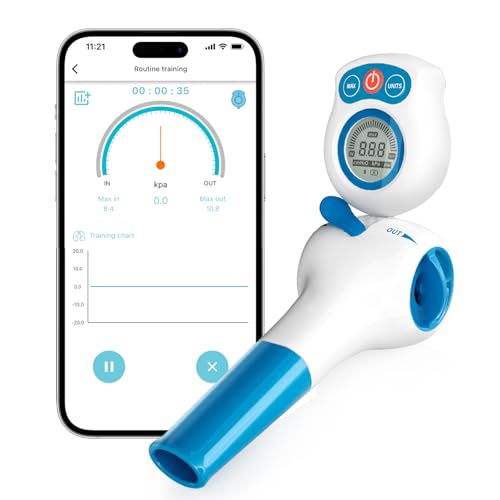
Sonmol Digital Breathing Exercise Device for Lungs with App & Bluetooth
- Lung Muscle Strengthening: Enhances respiratory health and control
- 6 Resistance Levels: Adjustable inhale and exhale resistance
- MIP & MEP Measurement: Tracks breathing capacity progress
As an affiliate, we earn on qualifying purchases.
As an affiliate, we earn on qualifying purchases.
Conclusion
Switching from spoken dialogue to singing can feel natural once you master the *transition*. Did you know that 65% of professional singers started as actors or speakers? Embrace the *shift* by practicing vocal control and confidence. Remember, your voice is your instrument—trust it to convey emotion seamlessly. With consistent effort, you’ll find yourself effortlessly moving between speech and song, opening new creative pathways and *captivating* your audience every time you perform.
As an affiliate, we earn on qualifying purchases.
As an affiliate, we earn on qualifying purchases.