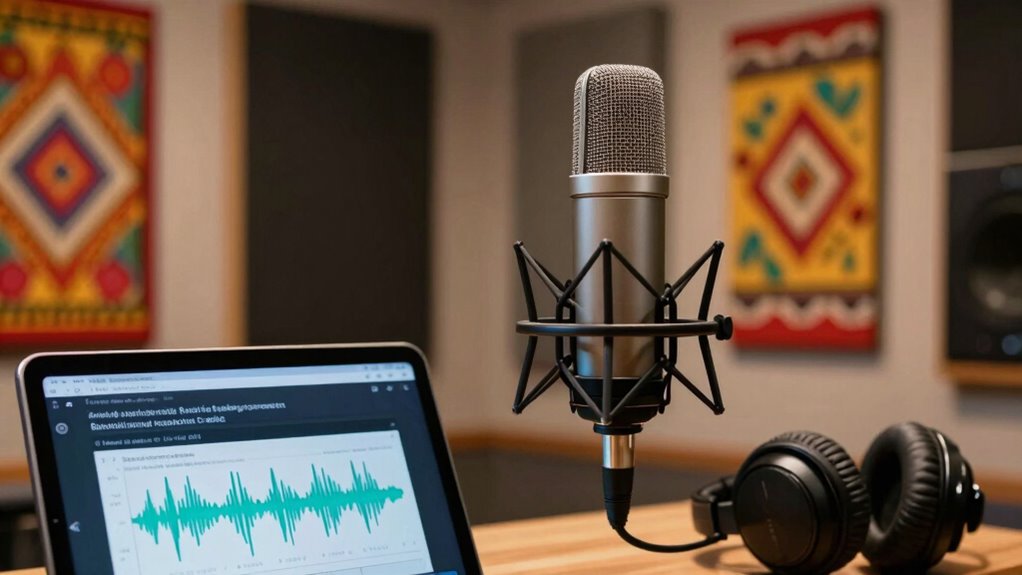

Localization shapes audiobooks for new markets by adapting voice acting to reflect regional accents, dialects, and cultural nuances, making characters feel authentic. It also involves tailoring references, idioms, and humor to resonate with local audiences while respecting sensitivities. Technical adjustments, like pacing and sound quality, guarantee a seamless experience. These efforts create immersive stories that connect on a deeper level. Keep exploring how these strategies work together to bring global audiences closer to the story.

Get everyday helpers delivered free with Prime
- Fast, free delivery on millions of items
- Prime Video, Amazon Music and more included
- Member-only deals all year
Key Takeaways
- Voice acting with regional accents and nuances enhances authenticity and emotional engagement for new audiences.
- Cultural adaptation of idioms, references, and humor ensures relevance and avoids misinterpretation.
- Incorporating local dialects and linguistic nuances increases relatability and connection with listeners.
- Technical adjustments like pacing and pronunciation tailor the listening experience to regional preferences.
- Effective localization broadens accessibility, fostering global storytelling and cultural appreciation through audiobooks.
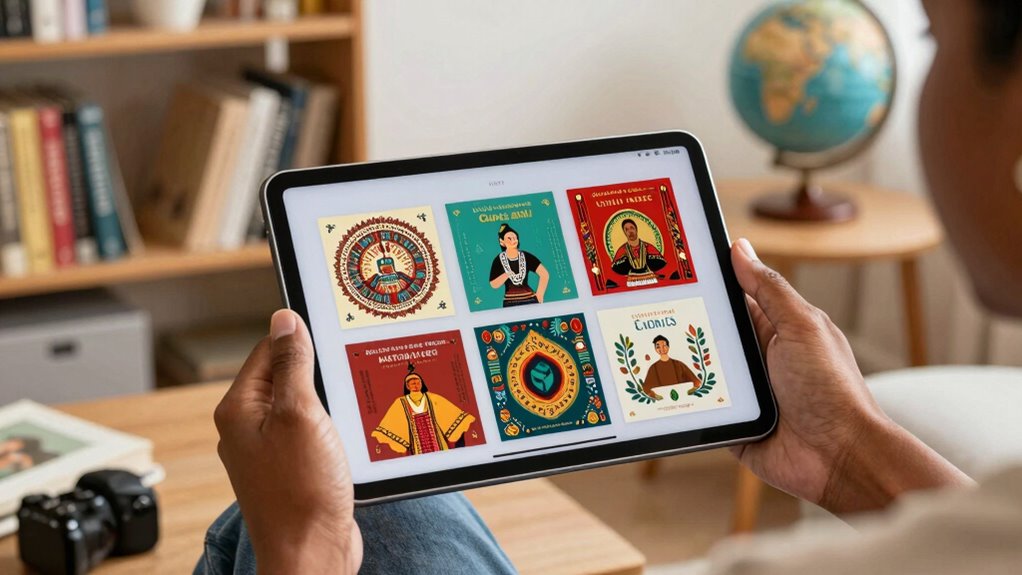
Have you ever wondered how audiobooks successfully reach diverse audiences across different regions? The answer lies in effective localization, which involves more than just translating words; it’s about making the story resonate culturally and emotionally with new listeners. One of the key elements in this process is voice acting. When you adapt an audiobook for a different market, choosing voice actors who can authentically represent the characters’ accents, dialects, and cultural nuances is vital. A skilled voice actor doesn’t just read lines—they bring characters to life in a way that feels genuine to the new audience. They capture tone, emotion, and regional inflections, which helps listeners connect with the story on a deeper level. This authenticity fosters trust and engagement, making the audiobook feel less like a translation and more like a native experience.
Cultural adaptation plays an equally important role. It’s not about changing the core story but tailoring references, idioms, and cultural details so they make sense and feel natural to the new audience. For example, a joke or a proverb that resonates in one culture might fall flat or even cause confusion elsewhere. By carefully adjusting these elements, you guarantee the story remains compelling without losing its original charm. This process involves understanding cultural sensitivities and avoiding content that might be misinterpreted or offensive. When done right, it creates a seamless experience where listeners feel the story was made just for them, even if it originated elsewhere. Additionally, understanding the cultural context helps ensure that the localization is respectful and effective. Incorporating local dialects can further enhance the authenticity and relatability of the narration. It’s also essential to consider linguistic nuances, as they can significantly influence how well the story resonates with the target audience. Moreover, leveraging insights from cultural research can help refine the localization process, ensuring it truly connects with the intended listeners. Incorporating regional idioms can also help deepen the connection and make the narration feel more natural to native speakers.
Localization also involves technical considerations. You might need to adapt the pacing, pronunciation, or even the background sounds to suit regional preferences. This attention to detail enhances the listening experience and guarantees the audiobook feels natural in its new environment. It’s a delicate balance: preserving the author’s intent while making it accessible and meaningful to a different audience. When you combine thoughtful voice acting with careful cultural adaptation, the result is an audiobook that transcends language barriers and cultural differences. It becomes a shared experience that speaks directly to the new listeners’ hearts and minds.
Ultimately, localization shapes audiobooks into powerful tools for global storytelling. It’s about more than translation; it’s about creating an immersive experience that respects and celebrates cultural diversity. When you prioritize authentic voice acting and cultural adaptation, you open doors for stories to resonate across borders, making the world of audiobooks richer, more inclusive, and truly universal.
regional accent voice acting microphone
As an affiliate, we earn on qualifying purchases.
As an affiliate, we earn on qualifying purchases.
Frequently Asked Questions
How Do Cultural Differences Influence Audiobook Localization Choices?
Cultural sensitivities and regional dialects heavily influence your audiobook localization choices. You adapt content to respect cultural norms, avoiding sensitive topics or language that might offend. Incorporating regional dialects makes the narration authentic and relatable for local audiences. By considering these factors, you guarantee the audiobook resonates deeply, fostering better engagement and understanding, ultimately making the story more accessible and enjoyable for diverse audiences around the world.
What Challenges Arise in Translating Idiomatic Expressions?
Translating idiomatic expressions challenges you to maintain idiomatic accuracy while ensuring cultural adaptation. You must find equivalents that resonate locally without losing the original meaning or tone. This often involves creative rewriting or substituting phrases that fit the target culture. Balancing fidelity to the source with cultural relevance demands skill, as poorly adapted idioms can confuse or alienate listeners, ultimately impacting the audiobook’s success in the new market.
How Do Voice Actors Adapt to Different Linguistic Nuances?
They say, “The devil is in the details,” and that’s true when it comes to voice actors adapting to linguistic nuances. You need to master regional dialects and use voice modulation to reflect local accents, intonations, and expressions accurately. By doing so, you bring authenticity to your performance, helping listeners connect deeply with the story and its characters, regardless of their background or language.
What Are the Costs Associated With Localizing Audiobooks?
You’ll face costs like translation and voice talent fees when localizing audiobooks. These expenses impact your marketing strategies, as you may need to allocate funds for targeted campaigns in new markets. Additionally, adapting distribution channels to suit local preferences can incur extra costs, such as platform partnerships or regional licensing. Overall, investing in quality localization can boost your audiobook’s success, but plan carefully to balance expenses with potential audience reach.
How Is Success Measured in New Market Localization Efforts?
Success in new market localization is like planting a seed and watching it grow. You measure it through market entry, which shows how well your audiobook reaches the target audience. Audience engagement then becomes the sunlight and water, revealing if listeners connect with the content. High download numbers, positive reviews, and increased listening time signal effective localization. When these bloom, you’ve truly nailed your market expansion efforts.
professional audiobook narration microphone
As an affiliate, we earn on qualifying purchases.
As an affiliate, we earn on qualifying purchases.
Conclusion
By localizing your audiobooks thoughtfully, you tap into new markets and build genuine connections with diverse audiences. While some argue that localization risks losing the original essence, studies suggest it often enhances listener engagement and cultural relevance. Embracing this approach, you not only expand your reach but also foster a deeper appreciation for stories told in ways that resonate locally. Ultimately, successful localization proves that adapting content thoughtfully can open global success without sacrificing authenticity.
sound editing software for audiobooks
As an affiliate, we earn on qualifying purchases.
As an affiliate, we earn on qualifying purchases.
audio sound quality enhancement tools
As an affiliate, we earn on qualifying purchases.
As an affiliate, we earn on qualifying purchases.
Halloween Picks
halloween
As an affiliate, we earn on qualifying purchases.