TL;DR

Get everyday helpers delivered free with Prime
- Fast, free delivery on millions of items
- Prime Video, Amazon Music and more included
- Member-only deals all year
Assistive listening devices (ALDs) help students with hearing impairments hear better in classrooms, reducing background noise and distance issues. Recent advances like Bluetooth and AI make these tools more versatile, affordable, and user-friendly, supporting better educational outcomes.
Identify your child’s hearing needs early and choose ALDs accordingly.
Modern ALDs often feature Bluetooth and AI tech, making them more flexible and affordable.
Sound field systems are ideal for whole classrooms, while personal systems suit individual needs.
Consult professionals and test devices to find the best fit.
Schools increasingly support ALDs through training, infrastructure, and policies.
What exactly are assistive listening devices and how do they help students?
Assistive listening devices (ALDs) are specialized tools designed to improve hearing in noisy or distant classroom environments. They act like a direct audio link between the teacher and the student. For example, a student sitting at the back of a noisy classroom can still catch every word clearly. These devices reduce background noise, amplify speech, and help students focus. Think of them as personal sound funnels, guiding voices straight into their ears. The importance of ALDs lies in their ability to level the playing field—students with hearing difficulties no longer have to strain or miss critical information. This can significantly impact their academic success and confidence. Why does this matter? Because in educational settings, clarity of speech isn’t just about hearing; it’s about understanding and engaging. When students can clearly hear their teacher, they’re more likely to participate, retain information, and feel included. The tradeoff, however, is that choosing the wrong device or improper setup can lead to frustration or ineffective communication. Proper selection tailored to the environment and hearing profile is essential. This underscores the importance of professional guidance—like audiologists and educators working together—to ensure the device not only amplifies sound but does so in a way that enhances comprehension and learning outcomes.
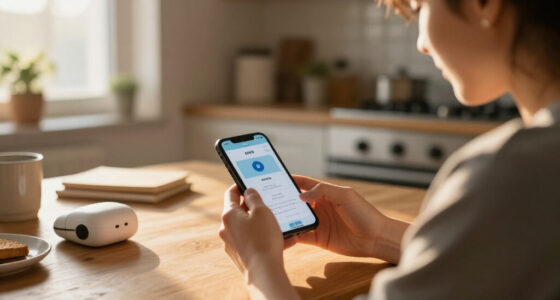
personal assistive listening device for students
As an affiliate, we earn on qualifying purchases.
As an affiliate, we earn on qualifying purchases.
The 4 main types of assistive listening devices—and how to pick the right one
Choosing the right ALD depends on a student’s specific needs, hearing profile, and classroom environment. Each type offers distinct advantages and tradeoffs that influence educational success. For example, Personal FM Systems transmit sound directly from the teacher’s microphone to the student’s receiver, which greatly reduces background noise and distance barriers. This makes them ideal for dynamic or large classrooms where clarity is critical. However, their effectiveness hinges on proper setup, and they often require compatibility with hearing aids or cochlear implants, which can involve additional costs and maintenance. Infrared Systems excel in controlled, soundproof environments like specialized classrooms or lecture halls because infrared signals do not travel outside designated areas, ensuring privacy. But their limited range and susceptibility to interference from light sources mean they are less flexible for everyday classroom activities. Loop (Induction) Systems work by creating a magnetic field that interacts with telecoil-equipped hearing aids or cochlear implants. They are highly effective for students with these devices, providing seamless, hands-free listening. The tradeoff is that students without telecoils cannot benefit from these systems, and coverage can be limited in larger spaces. Sound Field Systems broadcast the teacher’s voice through speakers installed in the classroom, supporting multiple students simultaneously. They promote inclusive participation but may not suffice for students with severe hearing loss who need more direct, personal amplification. Why does understanding these differences matter? Because selecting a device involves considering the tradeoffs—cost, ease of use, compatibility, and the specific acoustic challenges of the classroom—so that the chosen system truly supports the student’s learning. Misalignment can lead to underperformance or frustration, highlighting the importance of personalized assessment and consultation with professionals to ensure the device matches the individual’s needs and the educational environment.
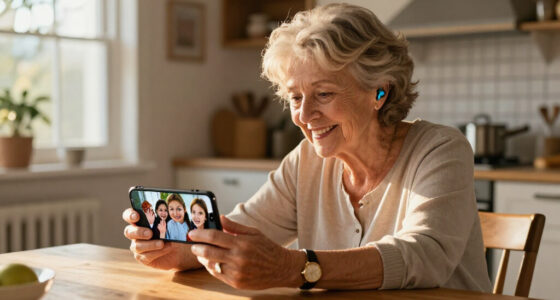
Bluetooth classroom hearing amplifier
As an affiliate, we earn on qualifying purchases.
As an affiliate, we earn on qualifying purchases.
How modern tech makes ALDs smarter, cheaper, and easier to use
Today’s ALDs incorporate advanced technology that significantly enhances their functionality and user experience. Wireless and Bluetooth integration enable students to connect their devices directly to smartphones, tablets, or other personal gadgets, reducing the need for bulky equipment and increasing portability. This connectivity means students can use familiar technology, like apps that turn their phones into amplifiers or remote controls, fostering independence and ease of use. AI-powered systems introduce noise reduction algorithms that automatically filter out background distractions, making speech clearer without manual adjustments. This is especially valuable in unpredictable classroom environments, where constant manual tuning isn’t feasible. Hybrid systems, combining features like FM and Bluetooth, offer unparalleled flexibility, allowing seamless switching between different audio sources based on the context. Remote management features allow teachers or audiologists to adjust settings remotely, ensuring optimal performance without disrupting the student’s focus. The implications of these technological advancements are profound. They do not just improve sound quality; they democratize access, making ALDs more affordable and adaptable to various learning environments. This means that more students can benefit from personalized, high-quality auditory support, which can lead to improved engagement, comprehension, and confidence in the classroom.
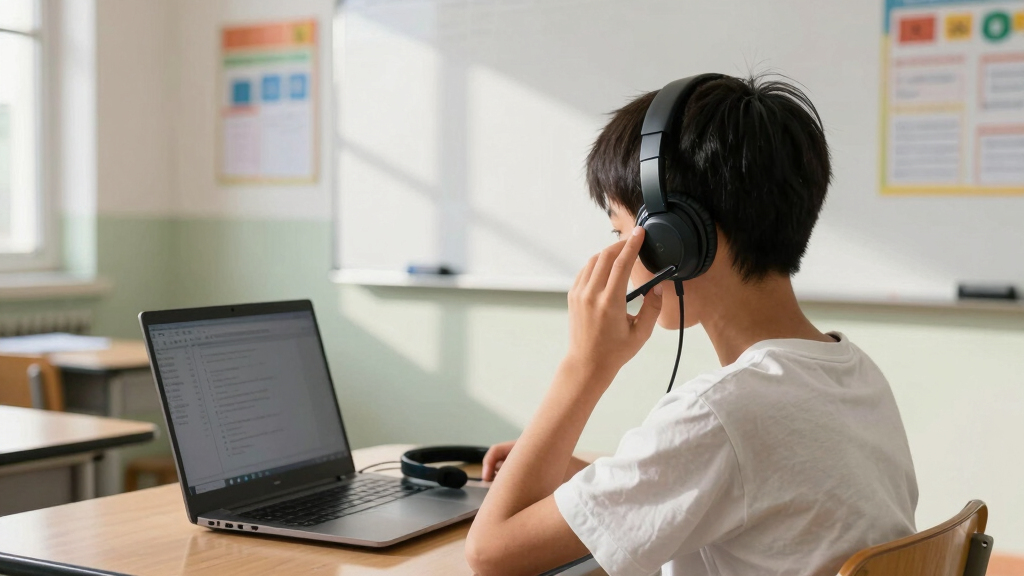
AI-enabled assistive listening system
As an affiliate, we earn on qualifying purchases.
As an affiliate, we earn on qualifying purchases.
How to choose the best ALD for your child’s classroom — a simple 3-step guide
- Assess your child’s specific needs: Consider their degree of hearing loss, comfort with technology, and classroom environment. This step is crucial because a mismatch can result in underperformance or frustration. For example, a child with moderate hearing loss in a noisy classroom may benefit more from a wireless FM system than from a simple sound field setup, which might not provide the necessary clarity. Understanding these nuances helps avoid trial-and-error, saving time and resources. Additionally, recognizing whether your child prefers personal devices or is comfortable with room-based systems can influence long-term acceptance and consistent use, which are vital for the device’s effectiveness.
- Match features to those needs: For example, if the classroom is particularly noisy or large, a wireless FM system offers targeted, clear audio, which can be a game-changer for comprehension. For smaller, more controlled settings, sound field systems can support multiple students effectively and are often easier to manage. It’s essential to consider ease of use and compatibility with existing hearing aids or cochlear implants because these factors directly influence daily usability and acceptance. Poor compatibility or complicated controls can discourage consistent use, undermining the device’s purpose.
- Consult professionals and test devices: Audiologists and teachers can provide invaluable insights into the best options based on their expertise and experience. Whenever possible, allow your child to try the device in real classroom conditions. This hands-on testing reveals practical issues—such as comfort, ease of operation, and sound quality—that might not be apparent in demonstrations. A trial period helps ensure that the chosen device genuinely enhances learning and participation, reducing the risk of investing in technology that doesn’t meet real-world needs. This process also helps build confidence for the child, making the transition smoother and more successful.
Imagine a student who struggles to hear the teacher from the back of the room. Testing a portable FM system in that environment can quickly demonstrate how much clearer and more accessible the instruction becomes, making the decision straightforward and tailored to their needs. This proactive approach ensures that the selection process is rooted in practical experience, leading to better educational outcomes and increased comfort for the student.
As an affiliate, we earn on qualifying purchases.
What schools are doing to make ALDs work smoothly
Many schools recognize ALDs as essential components of an inclusive classroom environment, and their integration goes beyond mere installation. They often collaborate with audiologists to tailor systems to specific classroom acoustics and student needs, ensuring maximum effectiveness. Proper training is provided to teachers and staff, emphasizing troubleshooting skills and routine maintenance, which is critical for sustained functionality. Schools are increasingly investing in wireless systems that seamlessly connect to students’ hearing aids or cochlear implants, reducing setup time and enhancing reliability. Moreover, ongoing communication with families ensures that devices are functioning properly and that any developmental changes or new hearing profiles are addressed promptly. This continuous feedback loop helps in fine-tuning the systems, preventing technical issues from becoming barriers to learning. These efforts foster a proactive culture of accessibility, where adjustments and updates are routine rather than reactive, ensuring that students’ auditory needs are consistently met. The result is a classroom where students can participate fully and confidently, transforming the learning environment into a space where every voice is valued and heard. This comprehensive approach underscores that successful integration of ALDs is not just about technology but about creating a supportive ecosystem that prioritizes student success and inclusion.
Frequently Asked Questions
How do I know if my child needs an assistive listening device?
If your child struggles to hear the teacher in noisy settings or from across the room, an ALD could help. Consult an audiologist for an assessment and personalized recommendation.Are assistive listening devices covered by insurance or schools?
Coverage varies. Many ALDs are included in Individualized Education Programs (IEPs), and some insurance plans help cover costs. Check with your school district and insurance provider for details.Can ALDs work with my child’s existing hearing aids or cochlear implants?
Yes, many ALDs are compatible with telecoils and Bluetooth-enabled hearing devices. Be sure to choose a system that matches your child’s specific hearing technology.Are modern ALDs difficult for young students to use?
Most are designed with simplicity in mind, featuring intuitive controls and lightweight designs. With some initial training, children often learn to manage them confidently.What new tech features should I look for in ALDs?
Look for Bluetooth connectivity, noise reduction AI, remote management, and compatibility with smartphones—these features make devices more flexible and easier to use.Conclusion
Assistive listening devices open new doors for students with hearing challenges. They’re more than gadgets—they’re bridges to better learning and inclusion. When technology adapts to individual needs and environments, every student gains a stronger voice in the classroom. Think of ALDs as the missing piece that makes hearing and learning truly equal.Halloween Picks
halloween
As an affiliate, we earn on qualifying purchases.