
TL;DR

Get everyday helpers delivered free with Prime
- Fast, free delivery on millions of items
- Prime Video, Amazon Music and more included
- Member-only deals all year
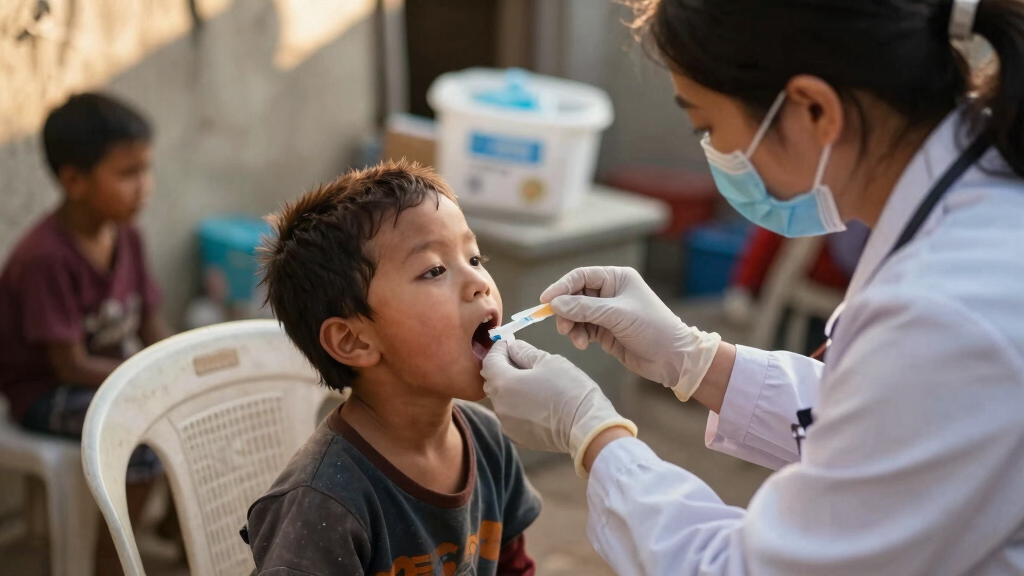
Ebola in the Democratic Republic of the Congo has surpassed 1,000 confirmed cases. UNICEF warns that millions of children are at immediate risk due to the outbreak, highlighting urgent health and humanitarian concerns.
Confirmed Ebola cases in the Democratic Republic of the Congo have exceeded 1,000, marking a significant escalation in the outbreak. UNICEF has issued a warning that millions of children are at increased risk due to the spread of the disease, underscoring the urgent need for intervention.
The Ministry of Health in the DRC announced that the total number of confirmed Ebola cases has surpassed 1,000, with the outbreak continuing to expand across several provinces. The World Health Organization (WHO) reports that the outbreak remains active, with new cases still being identified daily.
UNICEF has warned that over 4 million children are at risk of infection and adverse health outcomes if the outbreak is not contained swiftly. The organization emphasizes the challenges posed by ongoing conflict, limited healthcare infrastructure, and vaccine access in the affected regions.
Health authorities are ramping up vaccination efforts and public health campaigns, but logistical hurdles and insecurity complicate containment. The outbreak is considered one of the most severe in the country’s recent history, with the potential to spread further without prompt action.
Implications of the Escalating Ebola Crisis in DRC
This development highlights the ongoing severity of the Ebola outbreak in the DRC, which poses a significant threat to public health and regional stability. The warning from UNICEF about millions of children at risk underscores the potential for long-term health and social impacts, including increased child mortality, disruption of education, and broader humanitarian crises.
The outbreak’s escalation increases the pressure on international agencies and the Congolese government to accelerate containment measures and provide adequate resources. Failure to control the spread could lead to wider regional transmission and strain global health systems.
Popular right now

Vitamix Propel Series 750 Professional-Grade Blender, 4 Programs, Black

Hisense 85 U6 Pro Series Mini-LED ULED 4K UHD HDR Gaming AI Smart Fire TV (85U6SF Pro)

Shark Navigator Robot Vacuum with Self-Empty Base, Dark Grey (RV2120AE)
As an affiliate, we earn on qualifying purchases.
Recent Developments in the DRC Ebola Outbreak
The current Ebola outbreak in the DRC was first declared in August 2022. Since then, the number of cases has steadily increased, with the WHO reporting over 1,000 confirmed cases as of March 2024. This outbreak is notable for its geographical spread and the challenges faced in vaccine deployment and community engagement.
Previous outbreaks in the region have been contained more quickly, but ongoing conflict and limited healthcare infrastructure have hampered efforts this time. The DRC has previously experienced Ebola outbreaks, but the current surge is among the largest in recent years.
“Millions of children are at immediate risk from this outbreak, and urgent action is needed to protect their health and futures.”
— UNICEF spokesperson
Uncertainties Surrounding Outbreak Control and Future Spread
It remains unclear how effectively containment measures will be implemented given ongoing insecurity and logistical challenges in the affected regions. The precise number of unreported cases and the potential for further spread are also uncertain, complicating response planning.
Additionally, the impact of new variants or mutations of the Ebola virus on transmissibility and vaccine efficacy has not been fully assessed yet.
Next Steps in Containment and International Response
Health authorities and international agencies are expected to intensify vaccination campaigns, improve community outreach, and address logistical barriers in the coming weeks. Monitoring and rapid response teams will focus on hotspots identified through ongoing surveillance. The WHO and UNICEF are calling for increased funding and resource mobilization to support these efforts.
Further updates are anticipated as new data on case numbers, vaccine coverage, and containment success become available.
Key Questions
How many Ebola cases have been confirmed in the DRC?
Over 1,000 cases have been confirmed as of March 2024, according to the latest reports from the Ministry of Health and WHO.
Why are children particularly at risk in this outbreak?
UNICEF warns that millions of children are vulnerable due to limited healthcare access, ongoing conflict, and the rapid spread of the virus, which can have long-term health impacts.
What measures are being taken to control the outbreak?
Authorities are deploying vaccines, conducting public health campaigns, and increasing surveillance, though logistical and security challenges remain significant.
Could the outbreak spread to neighboring countries?
The risk exists, especially given regional mobility, but containment efforts aim to prevent cross-border transmission. Monitoring is ongoing.
What is the global response to this outbreak?
The WHO and UNICEF are coordinating support, providing vaccines, resources, and technical assistance to help contain the outbreak and protect vulnerable populations.
Source: google-trends