
TL;DR

Get everyday helpers delivered free — and shop member deals
- Fast, free delivery on millions of items
- Access to Prime Big Deal Days deals on October 6–7
- Prime Video, Amazon Music and more included
Assistive listening devices (ALDs) are key tools that help students with hearing loss understand speech in noisy classrooms. With advancements like Bluetooth and AI, these devices are more effective and user-friendly, supporting inclusive learning environments.
Imagine sitting in a bustling classroom, the chatter of students blending with the teacher’s voice. For students with hearing impairments, this scene can be a barrier. Assistive Listening Devices (ALDs) turn down the background noise and turn up the clarity. They’re not just tools; they’re gateways to participation and learning.
If you’re a parent, teacher, or school administrator, understanding these devices can open new doors for students who might otherwise miss out. In this article, you’ll learn what ALDs are, how they’ve evolved recently, and how to choose the right support for different needs.
Match the ALD type to the student’s specific hearing level and classroom environment.
Recent tech trends like Bluetooth and AI are making ALDs more seamless and effective.
Proper training for teachers and students maximizes the benefits of ALDs.
Funding options like insurance and grants can reduce out-of-pocket costs.
Regular assessments ensure the device continues to meet the student’s evolving needs.
What Are Assistive Listening Devices and Why They Matter
ALDs are specialized gadgets designed to make speech clearer for students with hearing challenges. Think of them as personal volume boosters or smart filters that cut through classroom noise. For example, a student wearing a hearing aid paired with a personal amplifier can hear the teacher’s voice as if it’s being broadcast directly into their ear.
These devices matter because they help bridge the gap between hearing ability and classroom demands. Without them, students might struggle to follow lessons, participate in discussions, or even catch important instructions. The implications are significant: improved focus and participation can lead to better academic outcomes and increased confidence. However, tradeoffs exist; some devices require maintenance, proper fitting, and training to be effective. For instance, a device that amplifies sound too much could cause discomfort or feedback, while a device with inadequate amplification might fail to make a meaningful difference. Understanding these nuances helps educators and parents select devices that truly support the student’s needs and avoid potential frustrations or underperformance.
assistive listening devices for students
As an affiliate, we earn on qualifying purchases.
As an affiliate, we earn on qualifying purchases.
The Main Types of ALDs and How They Fit Different Needs
Here’s a quick breakdown of common ALDs and who they’re best for:
| Type of ALD | How It Works | Best For |
|---|---|---|
| Personal Amplifiers | Amplify sound directly into hearing aids or cochlear implants, like a mini megaphone for your ear. | Students with mild to moderate hearing loss needing direct support. |
| FM Systems | Wireless transmission from microphone to receiver, reducing background noise—like a private radio channel for speech. | Classrooms with lots of background noise or movement. |
| Infrared Systems | Use infrared light to transmit sound, offering privacy—think of a hidden sound pipeline. | Settings needing sound privacy, like small group work. |
| Loop (Induction Loop) Systems | Create a magnetic field picked up by telecoil-equipped hearing aids, turning any compatible aid into a direct speaker. | Classrooms with permanent infrastructure upgrades. |
Choosing the right device involves more than matching features; it requires understanding the tradeoffs. For example, FM systems are highly flexible but can be costly and require regular maintenance. Infrared systems offer privacy but need line-of-sight and specialized equipment. Personal amplifiers are portable and simple but might not provide enough clarity in very noisy environments. Analyzing the classroom layout, the student’s specific hearing profile, and the context of use helps stakeholders make informed choices that maximize benefit while considering constraints.
personal amplifier for hearing aids
As an affiliate, we earn on qualifying purchases.
As an affiliate, we earn on qualifying purchases.
How Modern ALDs Are Getting Smarter and More Seamless
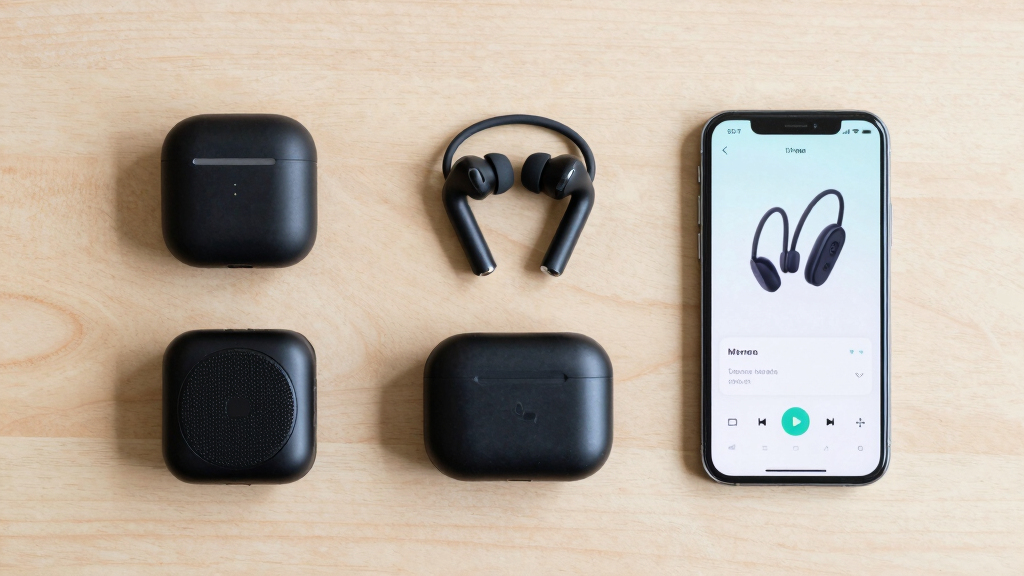
Recent tech shifts have made ALDs more connected and intuitive. Bluetooth integration means students can link their devices to smartphones, tablets, and classroom tech—imagine hearing the teacher’s voice straight through wireless headphones connected via Bluetooth.
Some ALDs now feature AI that automatically adjusts amplification based on ambient noise, much like a smart assistant tuning itself. Companion apps let students and teachers customize settings on the fly—no more fiddling with buttons in the middle of class.
Plus, many systems support remote troubleshooting, so tech issues get fixed without pulling students out of class. These advances make ALDs more discreet, comfortable, and effective—turning a simple device into a high-tech classroom ally.
Bluetooth assistive listening device
As an affiliate, we earn on qualifying purchases.
As an affiliate, we earn on qualifying purchases.
How to Pick the Perfect ALD for a Student in 3 Simple Steps
Choosing the right ALD isn’t complicated if you follow these steps:
- Assess the student’s hearing needs. Are they mild, moderate, or severe? Do they use hearing aids or cochlear implants? Understanding the degree and nature of hearing loss helps determine which technology can bridge the gap most effectively. For example, students with severe loss might need more powerful amplification or cochlear implant-compatible devices, while those with mild loss might benefit from simpler personal amplifiers. Recognizing these differences ensures the device supports the student’s learning without overwhelming or under-serving them.
- Evaluate the classroom environment. Is it noisy, large, or acoustically challenging? Do you need something portable or fixed? Knowing the setting guides you toward solutions that suit the space. For instance, a noisy cafeteria might necessitate a robust FM system with a portable receiver, while a quiet classroom could be adequately served by a personal amplifier. Considering mobility needs—whether the student moves around or stays seated—also influences the choice, ensuring the device supports daily activities and minimizes frustration.
- Set a budget and explore funding options. Check if insurance, school grants, or assistive technology programs can help cover costs. Being proactive about funding prevents delays in acquiring necessary devices. Investigate local resources, and consider long-term costs like batteries, maintenance, and upgrades. Developing a decision framework—such as prioritizing essential features first, then adding optional features—can help in making cost-effective choices that still meet the student’s needs effectively.
For example, a teacher working with a student who has moderate hearing loss in a noisy cafeteria might prioritize a wireless FM system paired with a portable receiver. Meanwhile, a student with mild loss in a quiet classroom might just need a personal amplifier. Taking a strategic approach ensures the device is both effective and sustainable, leading to better educational outcomes.
As an affiliate, we earn on qualifying purchases.
What You Need to Know About Funding and Training
ALDs are often covered by insurance, especially if prescribed by an audiologist. Schools might also have grants or assistive tech funds to help purchase and maintain devices. It’s worth asking your school’s special education coordinator or tech department about available support.
Training is key. Teachers, students, and parents should learn how to operate and troubleshoot ALDs. Many providers offer quick tutorials or online guides. Proper use ensures students get the full benefit—imagine a student confidently adjusting their device rather than struggling with it.
Frequently Asked Questions
How do I choose the best assistive listening device for a student?
Start with an audiologist’s assessment. Consider the student’s hearing loss severity, classroom setup, and budget. Matching the device to their specific needs guarantees better outcomes.Are assistive listening devices covered by insurance or school funding?
Many ALDs are eligible for insurance coverage when prescribed by a professional. Schools often have grants or programs to assist with costs—check with your district or clinic.Can ALDs be used in different environments like at home or during outings?
Yes, many devices are portable and versatile. They’re designed for multiple settings, whether it’s a classroom, playground, or family gathering.What kind of training do teachers and students need for effective use?
Most providers offer quick tutorials or guides. Proper training ensures the device is used correctly, making it more effective and comfortable for students.Are ALDs suitable for all types of hearing loss?
Most ALDs work for mild to severe loss, but individual needs vary. An audiologist can recommend the best type based on specific hearing profiles.Conclusion
Assistive listening devices are more than gadgets; they’re bridges to equal access in learning. When chosen wisely and used properly, they turn noisy, confusing classrooms into spaces where every student can thrive. Think of ALDs as the secret ingredient that makes inclusion not just a goal, but a reality.
In a world full of sounds, these devices give students with hearing impairments a clearer voice—literally and figuratively. The right support can make all the difference. Are you ready to help a student hear the world more clearly?
Halloween Picks
halloween
As an affiliate, we earn on qualifying purchases.