
TL;DR

Get everyday helpers delivered free with Prime
- Fast, free delivery on millions of items
- Prime Video, Amazon Music and more included
- Member-only deals all year
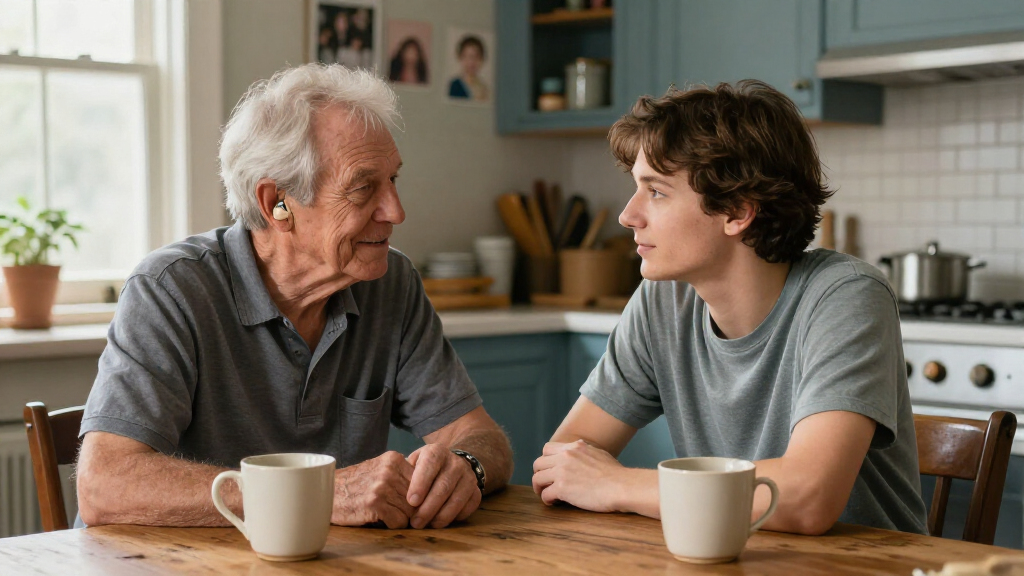
End-of-life doula Jessica Sadler argues that families should discuss care preferences, decision-making roles and important documents before a medical crisis. Her report describes how uncertainty can add emotional, practical and financial strain, while noting that planning conversations do not require someone to be near death.
End-of-life doula Jessica Sadler is urging families to discuss serious-illness and end-of-life wishes before a crisis, arguing that early conversations can help loved ones make decisions with a clearer understanding of a person’s preferences. In a report for Seniors Guide, she describes meeting families after sudden illness or decline, when relatives may have to act amid shock, confusion and uncertainty.
Sadler says families may postpone discussions about advance care planning because the subject feels uncomfortable or seems unnecessary while everyone is well. But a sudden stroke, unexpected diagnosis, serious fall or rapid decline can leave relatives deciding about care, caregiving and practical arrangements without knowing what the person wanted. The report presents these scenarios as her experience and perspective as a doula, rather than findings from a new study.
The questions families may face include whether someone would prefer to remain at home, what kinds of medical treatment they would want and who should make health decisions if they cannot communicate. Sadler also points to practical preparations: completing advance directives, choosing a trusted health care decision-maker, organizing important papers and telling someone close where those records are kept.
Planning, she writes, can include more than legal forms. Families might talk about what gives a person’s life meaning, share beliefs about medical care, label photographs, pass along meaningful possessions or record traditions and messages for future generations. Sadler says an end-of-life doula can offer non-medical education, guidance and emotional support to help families hold these conversations; the article does not describe doulas as substitutes for legal or medical professionals.
How Early Planning Can Ease Family Decisions
When someone cannot speak for themselves, relatives may need to make consequential choices without a clear record of that person’s preferences. Sadler says that uncertainty can persist even after families make decisions with care: loved ones may later question whether they honored the person’s wishes. Advance conversations can give relatives a better basis for those choices, though they cannot remove grief or guarantee that every situation will be covered.
The report also highlights the work that follows serious illness or death. Family members may take on caregiving, locate financial and legal records, contact banks and benefit providers, close accounts, handle bills and manage a home. Sadler says those tasks can extend far beyond the weeks people expect, and that missing documents or unresolved disagreements can add expense and delay. The article does not quantify those costs, but it describes the potential burden for families already coping with a loss or a major health change.
As an affiliate, we earn on qualifying purchases.
Planning Before a Health Crisis
The Seniors Guide report frames advance planning as a series of conversations and practical steps, not only estate planning. Its focus is on making a person’s values and preferences known while they can communicate them, and on making basic information accessible to the people who may need it.
Sadler notes that both older adults and adult children may hesitate: one generation may fear that planning signals a loss of hope or independence, while relatives may worry that raising the subject will seem disrespectful or cause distress. She argues that these concerns can leave families without guidance when circumstances change quickly. The report does not set out a new policy, study or legal requirement; it is a practitioner’s advice to start talking earlier.
“This is not the optimal time to make big decisions.”
— Jessica Sadler, end-of-life doula, in a Seniors Guide report
As an affiliate, we earn on qualifying purchases.
What Planning Cannot Settle in Advance
The report offers Sadler’s professional observations and recommendations, but it does not provide research measuring how often early conversations prevent family conflict, reduce costs or change medical outcomes. It also gives no figures for the financial effects it describes. Those effects will vary with a family’s circumstances, the care required and the documents already in place.
Advance planning cannot predict every medical scenario or remove the need for judgment when circumstances change. The article does not give jurisdiction-specific legal instructions, explain how to complete particular forms or describe the scope of doula services under local rules. Readers should consult appropriate medical and legal professionals about their own decisions and requirements.
As an affiliate, we earn on qualifying purchases.
Start With Wishes and Key Records
Sadler’s practical recommendation is to begin with a conversation: discuss values and care preferences, identify who could make health decisions if needed, and share where important records are stored. Families can then consider whether advance directives or other documents should be completed or updated. The source does not announce a deadline, event or formal next milestone.
These discussions can be revisited as circumstances and preferences change. For readers who want support, Sadler says an end-of-life doula may help facilitate conversations and organize information, while medical and legal questions should be directed to qualified professionals. The report’s central advice is to raise the subject before an emergency makes time and clear communication harder to find.
As an affiliate, we earn on qualifying purchases.
Key Questions
What is the main recommendation in the report?
Talk about care preferences and practical arrangements before a crisis. Sadler recommends discussing values, health care wishes, decision-making roles and the location of key documents.
Does end-of-life planning mean someone is near death?
No. Sadler says she prefers working with healthy aging adults who can express their wishes clearly. The report presents planning as preparation, not an indication that death is imminent.
What can families discuss?
They can discuss the kinds of medical care a person would want in different situations, who they trust to make health decisions if they cannot communicate, and where important documents are kept. They may also share traditions, meaningful possessions and personal messages.
What support can an end-of-life doula provide?
According to Sadler, doulas can offer non-medical education, guidance and emotional support, help organize information and facilitate conversations. The report does not present them as a replacement for medical or legal professionals.
Source: rss
Halloween Picks
halloween
As an affiliate, we earn on qualifying purchases.