
TL;DR

Get everyday helpers delivered free — and shop member deals
- Fast, free delivery on millions of items
- Access to Prime Big Deal Days deals on October 6–7
- Prime Video, Amazon Music and more included
A software developer writing on his personal blog says his recurring arm pain has eased as AI coding agents take on more of his programming work. He describes a personal observation, not medical evidence, and says changes in his seniority and work routine may also explain the improvement.
A software developer says he has experienced less serious arm pain as AI coding agents have taken on more of his programming, a change he describes in a personal account published October 5. He says the improvement is an observation, not proof that large language models caused it; his workload, seniority and work habits may also have changed.
Writing on his personal website, Vaughan Hilts recounts experiencing what he describes as repetitive strain injury (RSI) from typing and keyboard use as far back as 2017. He says the pain sometimes felt like burning in his forearms, though its frequency and severity varied over the years. He does not provide a medical record or a formal diagnosis in the account.
Hilts says breaks, exercise, ergonomic keyboards and retraining himself to type with his wrists straighter helped him manage the symptoms. He describes having reduced episodes to at most zero to two a month before the more recent change. He also connects worse days with extended coding sessions, which required frequent reaches for punctuation, modifier keys and other keys across the keyboard.
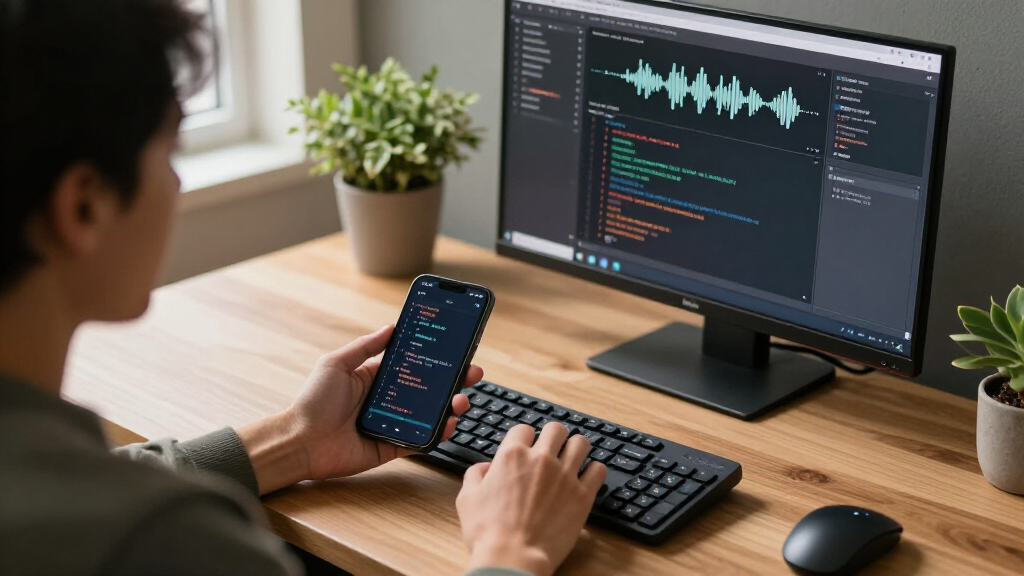
During 2026, he says, AI agents increasingly handled mechanical refactoring and larger portions of coding tasks. Work that might previously have involved four to five hours of typing and debugging could, in his description, become a prompt followed by about 30 minutes of manual refinement. He says he now spends more time writing specifications and reviewing code, and may type more prose even as he spends less time reaching across the keyboard.
How AI Changed His Keyboard Work
The account points to a possible, indirect way AI coding tools could affect some developers’ working routines: by taking on certain code-writing tasks, they may reduce time spent on repetitive keyboard actions. Hilts’s description suggests the effect for him may have been less about typing less overall and more about changing what he types and how he uses the keyboard.
That distinction matters because the account does not establish that AI tools prevent or treat RSI. It is a single person’s experience, with no comparison group, clinical assessment or tracking of symptoms against hours of keyboard use. Readers should treat it as a reported personal observation rather than evidence that the same tools will improve another person’s pain.
The change also comes with a trade-off for Hilts: he says he has lost some of the satisfaction he used to get from writing code by hand. His post frames that shift alongside a perceived health benefit, while leaving the cause unresolved. It offers a concrete example of how AI-assisted work may alter daily tasks, without showing what that means for developers generally.
ergonomic mechanical keyboard for programmers
As an affiliate, we earn on qualifying purchases.
As an affiliate, we earn on qualifying purchases.
Years of Pain and Work Changes
Hilts says his symptoms began around 2017 and varied over time. In addition to changes in his typing technique and taking breaks, he tried ergonomic equipment and reduced time at the keyboard. He reports that these steps helped him manage pain, but that a heavy day of coding could still be difficult.
He describes some programming as more physically demanding for him than writing prose. Coding often involved repeated reaches for symbols and modifier keys, he says, and his smaller-than-average hands made some key combinations difficult. He also recalls similar strain while playing piano and during sessions of the online game Final Fantasy XIV, where certain keyboard combinations required stretching.
His routine has changed alongside the use of AI agents. Hilts says he continues to write code by hand when needed, but more code is now generated by agents, while his work includes more design specification and review. He also notes that spending more time in meetings may be connected to becoming more senior. Those simultaneous changes make it difficult to isolate any one explanation for his improvement.
ergonomic wrist support for typing
As an affiliate, we earn on qualifying purchases.
As an affiliate, we earn on qualifying purchases.
Cause of the Improvement Is Unknown
Hilts does not establish that AI use caused his symptoms to improve. He identifies several possible influences: fewer hours spent manually coding, more prose and review work, increased seniority, additional meetings, and earlier steps such as exercise, breaks and typing changes. The post does not quantify his keyboard time before and after adopting agents or provide a detailed symptom timeline.
The account also does not include an independent clinical assessment, so it cannot confirm the cause or medical status of the pain he describes. It is unclear whether the improvement will continue, whether particular AI tools or coding tasks made a difference, or whether other developers would experience a similar change. The available information supports a personal report of reduced serious pain, not a general health claim about LLMs.
As an affiliate, we earn on qualifying purchases.
No Follow-Up Study Announced
Hilts’s post does not announce a study, formal tracking plan or further medical evaluation. The next development, if any, would be a clearer account of how his symptoms and keyboard workload change over time; the source provides no schedule for an update. For now, the reported improvement remains a personal observation that may reflect several changes to his work and habits.
As an affiliate, we earn on qualifying purchases.
Key Questions
What does the developer say changed?
He says serious arm pain has become less noticeable as AI agents have taken on more coding tasks. He still reports some fatigue and tenderness.
Does the account prove AI coding tools reduce RSI?
No. It describes one person’s experience and does not establish that AI caused the improvement or that other people would see the same result.
How did his work change?
He says agents increasingly handled mechanical refactors and other coding, while he spent more time writing specifications and reviewing code. He also describes less manual typing and debugging for some tasks.
What other explanations does he mention?
Hilts says becoming more senior and spending more time in meetings may have contributed. He also describes longstanding strategies such as breaks, exercise and changing his typing technique.
Source: hn
Fall Picks
fall essentials
As an affiliate, we earn on qualifying purchases.