TL;DR

Get everyday helpers delivered free with Prime
- Fast, free delivery on millions of items
- Prime Video, Amazon Music and more included
- Member-only deals all year
A study of 29 healthy adults found that a combination of temporary blood-pressure-lowering medication and whole-body vibration was associated with increased levels of several brain-derived proteins in blood. The researchers say the results suggest enhanced protein clearance, but the study did not test whether the treatment prevents dementia or benefits patients.
Researchers in Finland report that a treatment combining temporary blood-pressure-lowering medication with rhythmic whole-body vibration was associated with increased movement of dementia-linked proteins from the brains of 29 healthy adults into their blood. The study, published November 3 in Nature Communications, offers evidence that brain-clearance activity may be influenced while people are awake, but it does not show that the approach prevents or treats dementia.
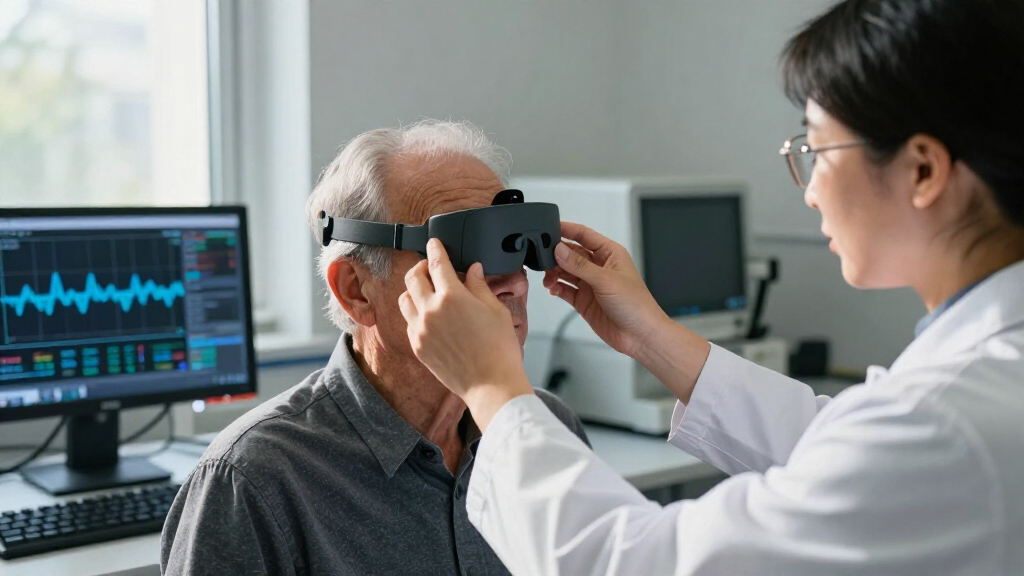
The study was conducted by researchers at the University of Oulu and Oulu University Hospital. They assessed the treatment using multimodal magnetic resonance imaging, physiological measurements and blood-based biomarkers thought to originate in the brain. After treatment, blood levels of several proteins, including beta-amyloid 40 and 42 and GFAP, increased. The team also observed changes in brain fluid movement and in fluid and tissue signals around large veins.
The researchers interpret the rise in blood-based proteins as evidence that soluble proteins were leaving the brain more efficiently. An increase in blood concentration is a measured result; by itself, it does not establish how much protein was removed from brain tissue or whether this change leads to a health benefit. The study’s authors say the imaging and physiological findings support their interpretation of increased efflux.
The two parts of the intervention were intended to affect blood vessels and fluid movement through different mechanisms. The medication temporarily lowered blood pressure and was associated with stronger slow pulsations in the brain. The vibration was designed to activate Piezo1 mechanosensitive channels in blood vessels. The researchers say the combined treatment was linked to changes in cerebrospinal-fluid circulation and protein concentrations; the report does not establish the separate contribution of each component.
A Possible Route to Brain Clearance
The findings matter because beta-amyloid and other proteins are associated with neurodegenerative diseases, including Alzheimer’s disease, and can accumulate over time. The brain’s waste-clearance processes are known to be active during sleep. A method that could safely influence those processes while people are awake would give researchers a new avenue to investigate, particularly before proteins form deposits that may be harder to remove.
That possibility is not yet a clinical result. The participants were healthy adults, and the study measured short-term physiological and biomarker changes rather than dementia risk, memory outcomes or disease progression. It does not establish that the treatment is safe or effective for people with memory impairment, nor that a change in blood proteins will translate into fewer symptoms. Any future prevention or treatment role remains a research question.
Popular right now

Philips Café Aromis Automatic Espresso Machine with LatteGo Pro Milk System

De'Longhi Dinamica Plus Fully Automatic Espresso Machine

Dyson Car+Boat Cordless Handheld Vacuum
As an affiliate, we earn on qualifying purchases.
From Sleep Biology to an Awake Trial
During sleep, blood pressure typically falls and slow blood-vessel and breathing-related pulsations become stronger. These changes can increase the movement of cerebrospinal fluid through brain tissue and support the removal of waste products. The Finnish team set out to test whether a related process could be enhanced in awake people.
The rationale also draws on earlier animal studies. Those studies found that temporarily lowering blood pressure could increase clearance of cerebrospinal fluid and molecules it carries. Separate research linked Piezo1 activation to changes in lymphatic flow around the brain and reductions in beta-amyloid burden in animals. The present study tested a combined approach in people, but animal findings do not establish benefit in humans.
The paper, by Johanna Tuunanen and colleagues, is titled “Vasomechanic treatment is associated with increased efflux of human brain proteins.” It appeared in Nature Communications on November 3, 2026. The research report describes a study involving 29 healthy volunteers and does not report a trial of people with dementia or early-stage memory impairment.
Clinical Benefits Remain Untested
The study involved 29 healthy adults, so it cannot establish whether the intervention helps people with early memory problems or dementia. The report provides no evidence that it prevents disease, slows progression, improves cognition or changes long-term outcomes. The duration of any biomarker changes and the treatment’s longer-term safety are also not established in the supplied study findings.
It remains unclear how much each intervention contributed, whether the observed protein changes represent a meaningful reduction in brain protein burden, and how results would vary across different ages or health conditions. The reported increase in blood proteins is consistent with the researchers’ clearance interpretation, but it is not, on its own, proof of a clinical effect.
Studies in Memory-Impaired Patients
Kiviniemi said the researchers are planning follow-up studies with other specialists to examine possible benefits in people with early-stage memory impairment. Those studies would need to test the treatment in patient groups and assess safety, the duration of effects and outcomes that matter to participants, such as memory and disease progression.
Until such research is reported, the result is best understood as an early human finding about brain-derived proteins and fluid movement—not as a dementia treatment recommendation. The next evidence to watch for is whether planned patient studies proceed and whether they report measurable clinical benefits in addition to biomarker changes.
Key Questions
What did the researchers test?
They studied a combination of temporary blood-pressure-lowering medication and rhythmic whole-body vibration in 29 healthy adults, using MRI, physiological measurements and blood-based biomarkers.
Does this show that dementia can be prevented?
No. The study measured short-term changes associated with protein movement and brain fluid flow. It did not test dementia prevention, treatment or long-term memory outcomes.
Which proteins increased in the blood?
The researchers reported increases in beta-amyloid 40, beta-amyloid 42 and GFAP, among other soluble brain-derived proteins. They interpreted the rise as evidence of increased efflux from the brain.
What happens next?
The research team says it is planning follow-up studies with other experts to investigate the approach in people with early-stage memory impairment. Results from those studies are not yet available.
Source: news-medical.net