

New laws are emerging to regulate AI-generated voices, focusing on transparency, consent, and ownership. You’ll need to disclose when a voice is synthetic to prevent deception and protect consumers. If you produce or use AI voices based on real people, you must get explicit permission and respect personal rights. These regulations also aim to prevent malicious uses like deepfakes. Staying informed can help you navigate legal boundaries and use synthetic voices responsibly—more insights await if you keep exploring.

Get everyday helpers delivered free — and shop member deals
- Fast, free delivery on millions of items
- Access to Prime Big Deal Days deals on October 6–7
- Prime Video, Amazon Music and more included
Key Takeaways
- New laws require disclosure when synthetic voices are used to ensure transparency for consumers.
- Regulations mandate obtaining explicit consent before creating AI voices based on real individuals.
- Legislation aims to prevent misuse like deepfake scams and protect personal rights and intellectual property.
- Developers and users must adhere to compliance standards to avoid legal penalties and reputational harm.
- Ongoing legal efforts seek to clarify ownership rights and define fair use of AI-generated voice content.
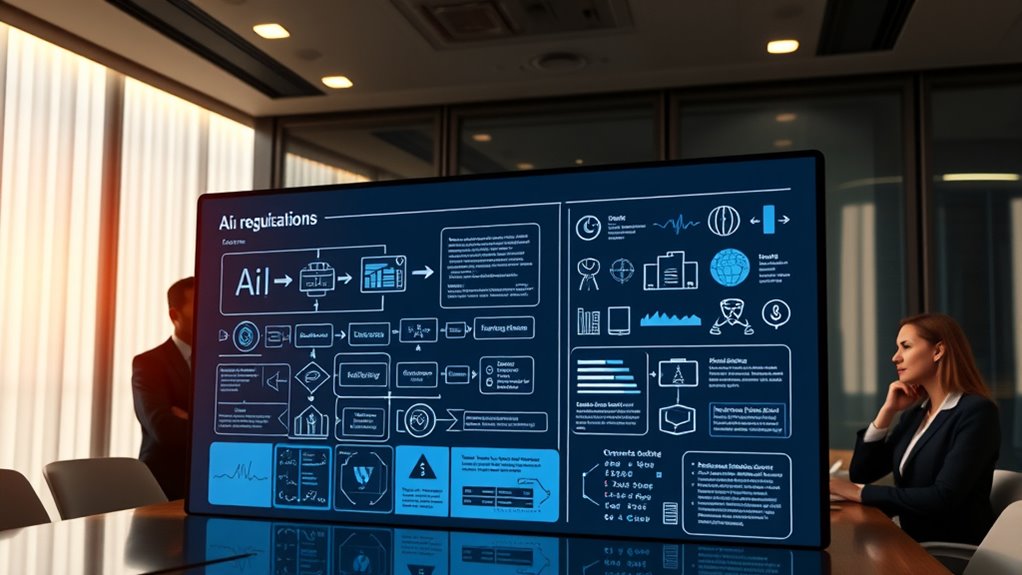
As AI technology becomes increasingly capable of generating realistic voice-overs, the need for effective regulation grows more urgent. You might not realize it, but synthetic voices are transforming industries—from entertainment to advertising—flooding the market with audio that sounds remarkably human. While this innovation offers exciting opportunities, it also raises critical questions about ownership, authenticity, and legal boundaries. One major concern is the copyright implications tied to synthetic voices. When AI creates a voice-over that closely mimics a real person’s tone, pitch, and delivery, it blurs the lines of intellectual property rights. You could find yourself in complicated legal territory if someone uses AI to clone a celebrity’s voice without permission or to produce content that infringes on existing voice copyrights. These issues demand clear laws to define who owns the rights to AI-generated voices and what constitutes fair use versus infringement.
Regulators are now grappling with how to manage these emerging challenges. Many new laws aim to establish transparency, requiring creators and companies to disclose when a voice is synthetic. This isn’t just about honesty; it’s about protecting individuals from being misled or exploited. For example, if you’re listening to a voice-over on a commercial or in a documentary, you should know whether it’s a real person or an AI. With synthetic voices becoming harder to distinguish, laws are being crafted to prevent deception and guarantee ethical use. Additionally, regulations are focusing on licensing and consent. If you’re producing AI-generated voices based on real individuals, you’ll likely need their explicit permission, especially if the voice is distinctive enough to be recognizable. This helps prevent unauthorized cloning and protects personal rights. Recognizing the importance of AI ethics and responsible innovation, policymakers are working to ensure these technologies are used ethically and safely.
Another essential aspect is the development of standards for accountability. When synthetic voices are used maliciously—such as in deepfake scams or misinformation campaigns—laws are being put into place to assign responsibility. As someone working with or developing voice AI technology, you’ll need to stay updated on these regulations to guarantee compliance. Failure to do so could result in legal action, fines, or damage to your reputation. The evolving legal landscape aims to strike a balance: fostering innovation while safeguarding individual rights and societal trust. As you navigate this space, understanding the interplay between synthetic voices and copyright implications isn’t just advisable—it’s vital. Staying informed about new laws helps you avoid legal pitfalls and promotes responsible use of AI voice technology.
As an affiliate, we earn on qualifying purchases.
Frequently Asked Questions
How Will AI Voice-Over Laws Impact Creative Industries?
You’ll find that AI voice-over laws markedly impact creative industries by enforcing ethical considerations and requiring industry adaptations. These laws push you to rethink how you use AI, ensuring transparency and fairness. You may need to adopt new tools or modify existing workflows to stay compliant. While challenging, these changes can also foster innovation, helping you build trust with audiences and maintain your creative integrity in a rapidly evolving landscape.
Are There Penalties for Non-Compliance With New Voice Regulation Laws?
Think of the new voice regulation laws as a gatekeeper guarding your creative future. If you ignore the rules, you face serious legal consequences, including hefty fines and potential bans. Penalty structures are designed to enforce compliance, making it clear that neglecting these laws risks your reputation and livelihood. Staying informed and adhering to regulations isn’t just smart—it’s essential to avoid these penalties and keep your voice heard legally.
Will Existing Voice-Over Content Need to Be Re-Licensed?
Yes, your existing voice-over content may need to be re-licensed under new laws. You should review your voice licensing agreements to make certain they comply with the updated regulations. This might involve updating content rights or obtaining new licenses for your recordings. Failing to do so could lead to legal issues or loss of rights. Staying proactive helps protect your work and ensures your content remains compliant with the latest voice-over laws.
What Agencies Are Responsible for Enforcing These AI Voice Laws?
Like a detective in a busy city, you’ll find that regulatory agencies such as the FTC and FCC are responsible for enforcing new AI voice laws. They face enforcement challenges, including tracking compliance across numerous companies and technologies. You should stay informed about their guidelines, as they actively monitor and investigate violations, ensuring creators and companies follow the laws to protect voice rights and prevent misuse of AI-generated content.
How Do These Regulations Affect AI Voice Technology Development?
These regulations influence your AI voice technology development by emphasizing ethical considerations, ensuring responsible use and minimizing misuse. You’ll need to adapt your innovations to comply with new laws, which may limit certain features or require transparency. While this may slow down rapid technological innovation, it encourages you to create more trustworthy and ethically sound AI, ultimately fostering public trust and encouraging sustainable growth in voice technology.
synthetic voice recording device
As an affiliate, we earn on qualifying purchases.
As an affiliate, we earn on qualifying purchases.
Conclusion
As you navigate the evolving landscape of AI and voice-over laws, remember that “forewarned is forearmed.” Staying informed about new regulations helps you adapt smoothly and avoid pitfalls. These laws aim to protect creators and consumers alike, so embrace the changes as an opportunity to innovate responsibly. By understanding and complying with these rules, you’ll stay ahead of the curve and ensure your work remains both ethical and impactful in this rapidly changing industry.
As an affiliate, we earn on qualifying purchases.
AI voice regulation compliance software
As an affiliate, we earn on qualifying purchases.
As an affiliate, we earn on qualifying purchases.
Halloween Picks
halloween
As an affiliate, we earn on qualifying purchases.