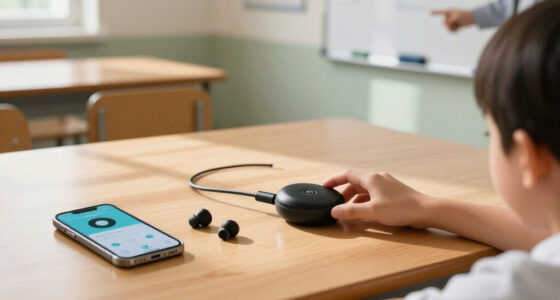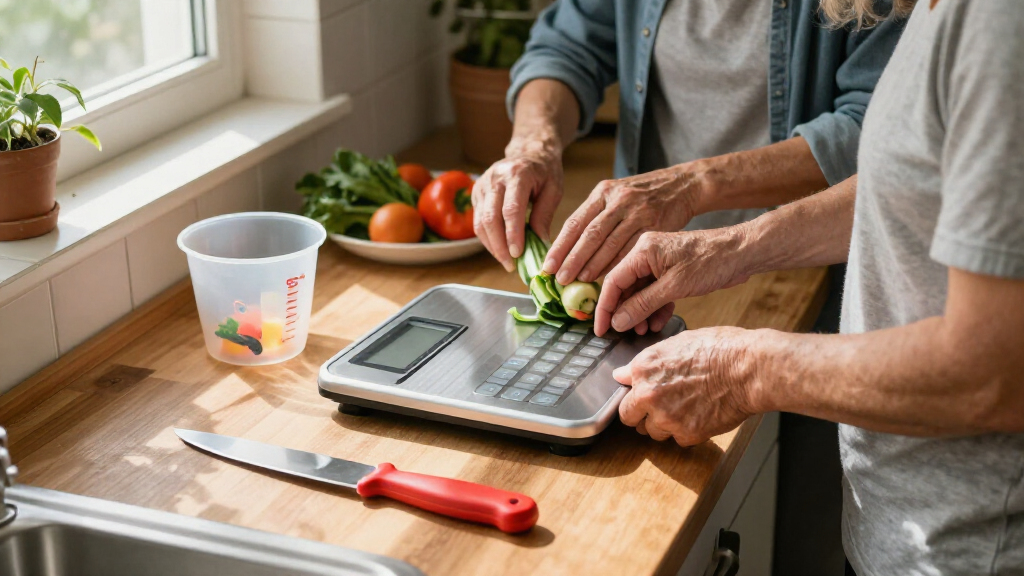

This checklist is for people who want kitchen tools that are easier to see, hear, handle, or operate, including shoppers choosing equipment for someone else. Start with the task that causes the most friction: measuring, timing, checking food, opening jars, or opening cans. A tool should make that task more manageable while fitting the person’s routines and abilities. Ease of use matters more than adding features that are hard to operate.

Get everyday helpers delivered free with Prime
- Fast, free delivery on millions of items
- Prime Video, Amazon Music and more included
- Member-only deals all year
The sections follow those kitchen tasks. The first three—talking scale, large-button talking timer, and talking food thermometer—offer shopping guidance without naming a product. The remaining sections cover the listed jar opener, can opener, and measuring set. Treat each pick as a starting point: the product name alone does not establish its controls, dimensions, accessibility features, or compatibility with a particular user.
Before buying, consider who will use the item and where it will be stored. Check the manufacturer’s details for controls, fit, and care, and compare them with the user’s vision, hearing, grip, reach, and preferred way of working. If possible, let the intended user try the controls or review clear photos and instructions. Use the look-for lists as a practical checklist, and choose tools that can be used comfortably and consistently.
Talking Kitchen Scale
A talking scale can make ingredient measurement more accessible for someone who has difficulty reading a small display. The useful feature is not simply that it speaks; the user needs to be able to place a bowl or ingredient, operate the controls, and understand the spoken result. Think through the actual cooking routine before choosing: recipes may call for different units, containers may cover the display, and ingredients may need to be added gradually. Clear spoken readings can help, but only if the controls and feedback work for the person using the scale.
A common mistake is assuming every talking scale announces the same information or handles units in the same way. Check the instructions for spoken units, tare operation, control labels, and how the scale signals a reading or limit. Consider whether the user can distinguish the buttons by touch and whether the platform is large and stable enough for their usual bowls. Confirm how the scale is powered and cleaned, and whether its placement allows the user to reach and operate it safely. A short, familiar recipe can be a useful way to evaluate whether the device’s steps are understandable. Test the whole routine, not just the voice feature.
What to look for:
- Spoken readings in the units the user’s recipes require
- A clearly identifiable tare control and understandable steps
- A stable platform suited to the user’s usual containers
- Audible feedback that is clear to the intended listener
- Power and cleaning instructions that suit the kitchen routine
Large-Button Talking Timer
A talking timer may help someone who cannot easily read a small countdown display, while large, distinct controls can make setting it less frustrating. The right timer should suit the way the user cooks: some people want a quick countdown, while others need to set or check a timer by touch and hear clear status information. Consider where it will sit and whether the user can reach it without moving hot cookware. Simple operation is especially valuable when attention is divided among several kitchen tasks.
Do not assume “talking” means the timer announces every setting or that large buttons are easy for every hand to use. Check how the time is entered, whether controls can be distinguished by shape or spacing, and what sounds indicate the countdown has ended. Make sure the alert is suitable for the user’s hearing and the kitchen environment; a sound that is too quiet or difficult to recognize may be missed. Review power requirements, cleaning guidance, and whether the timer can be positioned where its controls remain accessible. If the user has limited dexterity, look for a setting process that avoids tiny buttons or repeated precise presses. Try the controls before relying on the timer during cooking.
What to look for:
- Large, well-spaced controls that are easy to identify
- A setting process the user can complete comfortably
- Spoken or audible feedback that is clear to the user
- An alert that can be recognized in the intended kitchen
- Accessible placement plus practical power and cleaning instructions
Talking Food Thermometer
A talking food thermometer can make checking a reading more accessible for someone who has trouble seeing a display. The key is whether the user can place the probe correctly, operate the thermometer, and understand the result while following its instructions. Think about the foods and cooking methods involved, the user’s grip and reach, and whether the device’s controls can be identified without relying on small printed labels. Readable-by-ear feedback is useful only when the entire measuring process is manageable.
A frequent buying mistake is focusing on the voice feature while overlooking probe handling, cleaning, and the steps needed to obtain a reading. Read the manufacturer’s directions for intended use, safe placement, care, and any limits on use. Check how the thermometer communicates that it is ready and how the user starts or repeats a measurement. Consider whether spoken units and controls match the user’s preferences, and whether the probe and handle are comfortable to hold. The user should be able to follow food-safety guidance for the specific meal; a talking device does not replace careful placement or the product’s instructions. Practice with the directions before using it for an important meal.
What to look for:
- Spoken readings and units the user can understand
- Controls that are easy to locate and operate
- Probe and handle suited to the user’s grip and reach
- Clear instructions for placement, use, and cleaning
- Feedback that helps the user know when a reading is available
Electric Jar Opener
The BLACK+DECKER JW200 Automatic Jar Opener, White is the listed pick for this checklist’s jar-opening slot. An electric opener may be worth considering when twisting lids is difficult, but the name alone does not tell you how this model fits a particular jar, counter, or user. Before choosing, confirm its operating instructions and the jar sizes and shapes it is intended to handle. The person using it should be able to place the jar and engage the controls with a stable posture. Jar compatibility and comfortable setup matter as much as the powered opening action.
A common mistake is assuming an automatic opener works with every lid or that it requires no hand strength or setup. Review the manufacturer’s directions for positioning, operation, release, cleaning, and storage. Check whether the user can identify and reach the controls, keep the jar steady, and remove it safely after opening. Consider the counter space available and whether the device’s placement allows the user to work without awkward reaching. If the person has limited dexterity or vision, inspect the control layout and instructions rather than relying on the product title. Check the fit first with the jars the user typically opens and the kitchen surface where the opener will live.
What to look for:
- Manufacturer-stated jar and lid compatibility
- Controls the intended user can locate and operate
- A setup process suited to the user’s grip and reach
- Clear directions for operation, release, and cleaning
- Storage and counter placement that fit the kitchen
BLACK+DECKER JW200 Automatic Jar Opener, White
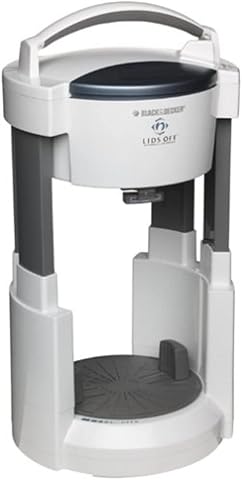
This electric jar opener loosens vacuum-sealed metal or plastic lids with a one-button operation. It accommodates jars up to 4.5 inches in diameter and 8 inches high, and collapses for compact storage.
Pros:
- One-button operation loosens lids without strenuous twisting
- Works with metal and plastic lids
- Accommodates a range of jar sizes
- Collapses for easier storage
Cons:
- Not intended for narrow-necked bottles or tall juice jars
- Requires counter space during use
Best for: people who want to explore an electric jar-opening aid
Not ideal for: users whose usual jars fall outside the stated compatibility
Bottom line: Confirm jar fit, control access, and the full opening process before choosing the BLACK+DECKER JW200.
One-Touch Can Opener
The listed pick is the Canslab Ultrablade PRO Electric Can Opener, USB Rechargeable, Smart Au. Its name identifies it as an electric, USB-rechargeable can opener, but does not establish how its controls work or which cans it handles. For an accessibility-focused purchase, check the manufacturer’s product details and directions against the user’s vision, grip, and ability to position a can. Reliable placement is important: the user needs to understand how the opener attaches, operates, and comes away from the can.
Do not infer from “one-touch” that the opener is effortless, suitable for every can, or simple to clean. Confirm the stated can compatibility, operating steps, charging instructions, and care guidance. Check whether the user can recognize the control, position the opener securely, and manage the opened can and lid according to the directions. Consider whether USB charging is convenient for the user and whether the charging routine can be followed consistently. If hands are sensitive or dexterity is limited, pay close attention to how the device is held and removed. Review the complete sequence—charge, attach, operate, remove, and clean—before relying on it for daily use.
What to look for:
- Can sizes and types covered by the manufacturer’s guidance
- Controls and attachment steps accessible to the intended user
- Clear instructions for removing the opener and handling the lid
- USB charging details that fit the user’s routine
- Care and cleaning directions that are manageable
Canslab Ultrablade PRO Electric Can Opener, USB Rechargeable, Smart Auto Stop

The Canslab Ultrablade PRO is a modern, rechargeable electric can opener featuring one-touch operation, auto shut-off, and a magnetic lid lifter. It cuts smoothly along the side of cans to leave safe edges and is suitable for various can sizes, making kitchen tasks easier and more efficient.
Pros:
- Automatic shut-off for convenience and safety
- Rechargeable battery with long-lasting performance
- Smooth side cut for safe, clean edges
- Fits various can sizes and is easy to store
Cons:
- Not suitable for rimless soda cans
- May have limited capacity for very large cans
- Requires wall mounting for magnetic holder
Best for: shoppers considering an electric opener with USB charging
Not ideal for: users whose cans or handling needs do not match the instructions
Bottom line: Check compatibility and every operating step before selecting the Canslab Ultrablade PRO.
High-Contrast Measuring Cups
The listed pick is the 16 Pieces Stainless Steel Measuring Cups and Magnetic Measuring Spoons. Its name describes a set of stainless steel measuring cups and magnetic measuring spoons, but does not confirm contrast, markings, handle shape, or how the pieces store together. For shoppers seeking easier-to-see measuring tools, inspect clear product photos and the manufacturer’s details to verify that markings are legible to the intended user. Visible measurements and comfortable handling should guide the choice.
A common mistake is assuming stainless steel or a multi-piece set automatically provides high contrast or accessible markings. Check how measurements are labeled, where the labels appear, and whether they remain easy to distinguish under the kitchen’s lighting. Consider the user’s grip and whether cup and spoon handles are comfortable to hold and level. Confirm which measurements are included and whether they match the recipes the user makes. The product name mentions magnetic measuring spoons, but verify how the pieces connect and whether that arrangement suits the user’s storage and handling preferences. Review cleaning guidance as well. Inspect the markings and try the pieces, if possible, before relying on them for precise measuring.
What to look for:
- Markings that are easy for the user to see and distinguish
- Included measurements that match the user’s recipes
- Handles that are comfortable to grip and level
- Storage and magnetic connection that suit the user
- Manufacturer guidance for cleaning and care
16 Pieces Stainless Steel Measuring Cups and Magnetic Measuring Spoons Set with

This set includes 8 stainless steel measuring cups and 7 magnetic double-sided measuring spoons, all with clear measurement markings and silicone handles for easy grip. Designed for precise measurement of dry and wet ingredients, it is ideal for cooking and baking.
Pros:
- High-quality stainless steel construction
- Magnetic and double-sided spoons for convenience
- Silicone handles provide a secure grip
- Stackable design saves space
Cons:
- No mention of dishwasher safety
- Limited color options for handles
- Potentially expensive compared to plastic sets
Best for: shoppers looking for a multi-piece cup and spoon set
Not ideal for: anyone who needs verified high-contrast markings without checking details
Bottom line: Verify the markings, included sizes, and handling before choosing this measuring set.
If you are choosing in stages, start with the task that most often interrupts cooking or requires help. Address one high-impact need first, then consider other tools that match the user’s routine. For the three advice-only slots, compare products using the control, feedback, fit, and care details in each checklist. For the named picks, confirm the manufacturer’s specifications before buying. Prioritize daily usefulness over features the user is unlikely to use.
Accessibility is personal, and the most useful kitchen setup is the one the intended user can operate with confidence. Invite them to review the options and try the controls when possible, then adjust as their routines change. A few well-matched tools can make familiar kitchen tasks easier to approach. Choose at the user’s pace, and build from what helps most.