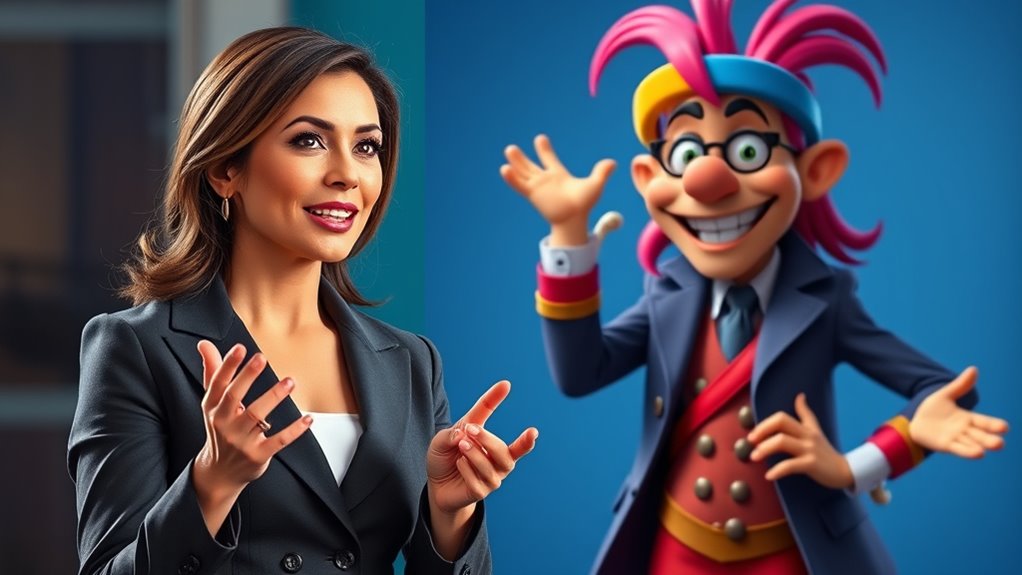

Choosing a commercial spokesperson builds trust and familiarity by showcasing a real person or familiar face, making your brand feel approachable and personal. On the other hand, character voice-overs focus on storytelling and emotional engagement through entertaining personas or mascots, creating memorable impressions. Your goal determines the best fit—whether strengthening recognition or evoking specific feelings. If you want to explore how each option influences your campaign, keep going to discover more about their unique strengths.

Get everyday helpers delivered free with Prime
- Fast, free delivery on millions of items
- Prime Video, Amazon Music and more included
- Member-only deals all year
Key Takeaways
- Spokesperson voiceovers foster trust, familiarity, and direct brand connection, while character voiceovers focus on storytelling and emotional engagement.
- Spokespersons enhance brand recognition through a recognizable face or voice, whereas characters create memorable personas and brand identity over time.
- Use spokespersons to build credibility and personal rapport; choose characters for entertainment, humor, or imaginative storytelling.
- Both options serve different campaign goals: spokespersons for trust and recognition, characters for emotional appeal and brand storytelling.
- Selecting between them depends on desired emotional impact, audience engagement, and the specific branding or marketing objectives.
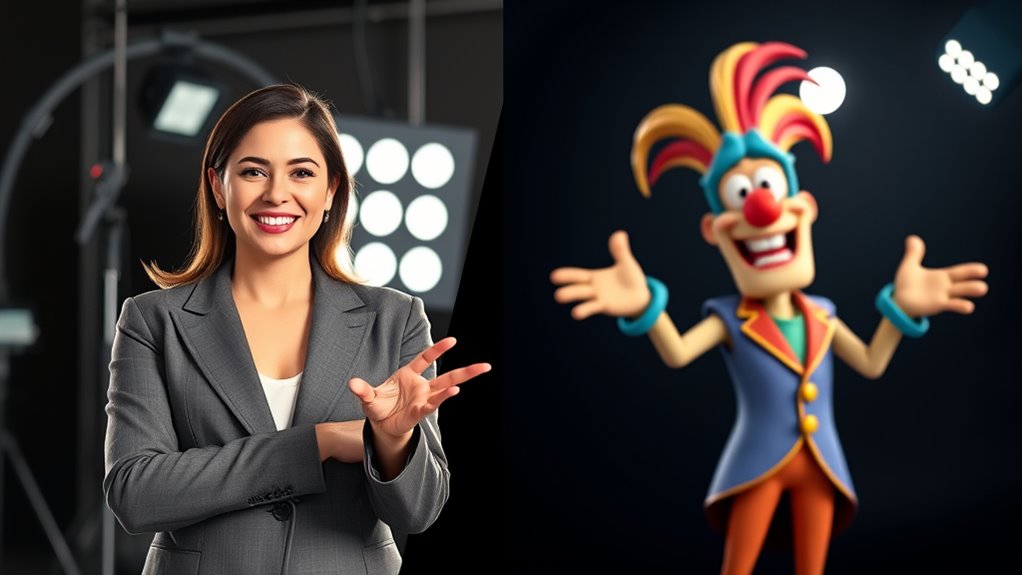
Have you ever wondered what sets a spokesperson voiceover apart from a character voiceover? The answer lies in their purpose and the way they connect with your audience. When you opt for a commercial spokesperson, you’re choosing a familiar face or voice that represents your brand directly. This choice enhances brand recognition because viewers associate the spokesperson’s voice and persona with your company. It creates a sense of trust and familiarity that can be hard to achieve with a fictional character. The emotional appeal here is straightforward—your audience feels a personal connection, almost like hearing from a trusted friend or expert. This personal touch can make your message more impactful, encouraging loyalty and confidence in your brand.
On the other hand, a character voiceover introduces a different kind of engagement. Characters are often used to tell stories, create entertainment, or embody specific traits that might not be tied to a real person. While they may not boost immediate brand recognition as directly as a spokesperson, they excel at producing emotional appeal through storytelling. You can craft a memorable character that embodies your brand’s values or unique selling points, and this character can evoke feelings of joy, humor, or adventure. These emotional triggers help your audience relate to your message on a deeper level, even if they don’t immediately associate the voice with your company. Over time, a well-designed character can become a symbol or mascot, subtly strengthening your brand identity through repeated exposure.
Characters tell stories and evoke emotions, building brand identity over time through memorable, relatable personas.
Choosing between a spokesperson and a character voiceover depends on what you want to achieve. If your goal is to build trust, reinforce brand recognition, and foster a personal connection, a spokesperson voiceover is often the better choice. They make your brand feel more human and accessible, encouraging viewers to see your company as trustworthy and reliable. Conversely, if you aim to entertain, tell a compelling story, or create an imaginative world, a character voiceover might serve you better. Characters can generate emotional appeal through humor, fantasy, or adventure, engaging your audience and leaving a lasting impression. Additionally, selecting a voice that aligns with popular anime movies can boost appeal to specific audiences who appreciate animated storytelling.
Ultimately, both options have their strengths, and the right choice hinges on your campaign’s objectives. Whether you go with a relatable spokesperson or an engaging character, understanding how each impacts brand recognition and emotional appeal will help you craft more effective, memorable advertising.
professional voiceover microphone
As an affiliate, we earn on qualifying purchases.
As an affiliate, we earn on qualifying purchases.
Frequently Asked Questions
How Do I Choose Between a Spokesperson and a Character Voice?
You should choose between a spokesperson and a character voice based on your brand personality and audience engagement goals. If your brand is personable and relatable, a spokesperson can build trust and authenticity. However, if your brand is fun, imaginative, or needs a unique identity, a character voice can make your message memorable. Consider who resonates best with your audience and how each option aligns with your overall branding strategy.
What Industries Typically Use Spokesperson Versus Character Voice Overs?
Brands build bonds by choosing the right voice. Spokespeople often serve industries like finance, healthcare, and tech, where trust and credibility are key. Character voice overs shine in entertainment, gaming, and kids’ products, creating compelling characters that connect with audiences. Think about your brand identity and audience engagement—if you want professionalism, go spokesperson; if you aim for entertainment and relatability, opt for character voices.
Can a Single Voice Actor Perform Both Roles Effectively?
Yes, a single voice actor can perform both roles effectively. They bring voice consistency and emotional range to adapt from a relatable spokesperson to a compelling character. By mastering subtle tone shifts and vocal nuances, you can guarantee the same voice maintains its authenticity across different scripts. This versatility not only saves time and costs but also creates a seamless experience for your audience, making the content more engaging and cohesive.
How Much Does Hiring a Spokesperson Cost Compared to a Character Voice?
Think of hiring a spokesperson as planting a flagship in your marketing garden—costs can be steep, often ranging from thousands to tens of thousands, depending on their fame and experience. Character voice overs, however, are like versatile tools in your toolbox, usually more budget-friendly. Your choice hinges on your budget considerations and the voice versatility you need—whether a star power boost or flexible character portrayals.
What Are the Key Factors Influencing the Effectiveness of Each Voice Type?
You influence the effectiveness of each voice type by focusing on brand consistency and emotional engagement. A spokesperson can build trust and convey sincerity, strengthening your brand message. Meanwhile, a character voice adds personality and relatability, engaging your audience emotionally. Choose based on your brand’s tone and goals; both can elevate your campaign when they align well, creating a cohesive and compelling voice that resonates with your target audience.
animated character voiceover software
As an affiliate, we earn on qualifying purchases.
As an affiliate, we earn on qualifying purchases.
Conclusion
Choosing between a spokesperson and a character voice-over is like picking the right key to unlock your brand’s heart. A spokesperson offers authenticity and trust, while a character voice adds charm and creativity. Think about what resonates with your audience—are you seeking genuine connection or playful engagement? Ultimately, your choice shapes how your message hits home, making your brand’s voice a beacon guiding customers straight to your door.
voice acting recording equipment
As an affiliate, we earn on qualifying purchases.
As an affiliate, we earn on qualifying purchases.
commercial spokesperson video kit
As an affiliate, we earn on qualifying purchases.
As an affiliate, we earn on qualifying purchases.
Halloween Picks
halloween
As an affiliate, we earn on qualifying purchases.