
To create compelling sidekicks that deliver comedic relief, focus on using voice acting to bring out quirky and memorable traits. Experiment with vocal tics, exaggerated inflections, and timing to make quirks stand out and feel genuine. improvisation can help discover natural rhythms and spontaneous humor, making your performance more engaging. Balance spontaneity with consistency, refining your delivery to enhance the humor. Keep exploring these techniques to develop a sidekick that’s both funny and unforgettable.
Key Takeaways
- Develop distinct vocal quirks like mischievous laughs or nervous stammers to make sidekicks memorable and recognizable.
- Use improvisation to experiment with vocal tics, pacing, and exaggerations, enhancing comedic timing and spontaneity.
- Record and review improvisations, adjusting pitch, tempo, and emphasis for authentic, impactful performances.
- Incorporate quirky inflections and pauses to create a unique rhythm that amplifies humor and engagement.
- Balance spontaneity with consistency, focusing on genuine delivery to make sidekicks both funny and endearing.
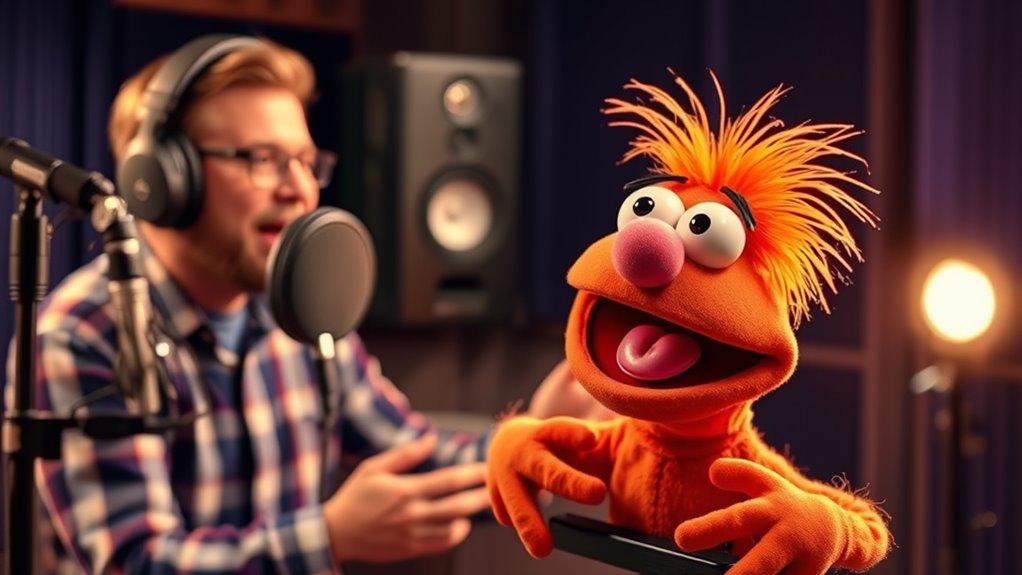
Voice acting plays an essential role in delivering comedic relief by bringing humor to life through vocal expression. When you’re creating a memorable sidekick, your voice isn’t just a tool—it’s the key to making their quirks stand out and their humor feel authentic. Character quirks are what make your sidekick unique, so pay close attention to their vocal idiosyncrasies. Maybe they have a mischievous snicker, a squeaky laugh, or a nervous stammer that pops up in tense moments. These quirks aren’t just for fun; they serve as cues that deepen the character’s personality and make interactions more engaging. Incorporating these traits into your voice adds a layer of authenticity and helps audiences connect with the sidekick on a more personal level.
To bring these quirks alive, improvisational techniques are invaluable. They give you the freedom to experiment with different vocal tics, exaggerations, and timing until you find what hits the right comedic note. Don’t be afraid to go off-script or try unexpected variations—sometimes the funniest moments come from spontaneous improvisation. For instance, if your sidekick struggles with a catchphrase or a repeated mispronunciation, playing around with the delivery can turn it into a signature comedic element. Improvisation also helps you discover natural rhythms and comedic timing, which are essential for a sidekick’s humor to land effectively. You might find that a slight pause before a punchline or a quirky inflection makes all the difference. Additionally, understanding character quirks can help you craft more authentic and memorable performances that resonate with audiences.
The key is to listen and adapt. Record your improvisations so you can review what works best. Notice how small changes in pitch, tempo, or emphasis can amplify the humor. As you refine your performance, focus on balancing spontaneity with consistency—your sidekick’s quirks should feel genuine but still serve the story and the humor. Remember, comedic relief often hinges on timing and delivery, so use improvisational techniques to explore different comedic beats until you discover the perfect rhythm. The more you experiment with character quirks and improvisation, the more naturally your sidekick’s humor will shine. Ultimately, your goal is to make your sidekick a memorable, funny, and endearing presence—someone who can lighten any scene and keep audiences smiling through clever vocal choices and spontaneous comedic moments.

Funny Voices Recording Voice Acting Microphone Voice Actor T-Shirt
This cool novelty Graphic Says "Voice Actor If You Hear Funny Voices I'm Just Recording" and shows a…
As an affiliate, we earn on qualifying purchases.
As an affiliate, we earn on qualifying purchases.
Frequently Asked Questions
How Do I Develop a Unique Voice for a Comedic Sidekick?
To develop a unique voice for a comedic sidekick, focus on voice modulation to add distinctiveness and humor. Think about their character backstory—what quirks or traits shape their speech and tone. Use that insight to craft a voice that reflects their personality, whether it’s high-pitched, gravelly, or exaggerated. Practice exaggerating certain vocal qualities, and keep experimenting until you find a lively, memorable sound that fits their comedic role perfectly.
What Are Common Mistakes to Avoid in Comedic Voice Acting?
Did you know that 65% of audiences find inconsistent delivery more annoying than overacting pitfalls? To avoid these, stay mindful of your tone and timing, ensuring your humor feels natural. Don’t fall into the trap of overacting pitfalls, which can distract viewers. Keep your performance engaging and consistent, so your comedic sidekick lands jokes effectively without sounding exaggerated or disconnected. Balance is key to making your character memorable.
How Can Improv Enhance Comedic Voice Performances?
Improvisation techniques can boost your comedic voice performance by helping you react naturally and stay spontaneous, which enhances authenticity. You can experiment with timing, pauses, and unexpected lines to sharpen your comedic timing. By practicing improvisation, you learn to adapt quickly, making your delivery more dynamic and engaging. This flexibility allows you to bring fresh humor to your character, making your comedic moments more memorable and lively.
What Equipment Is Essential for Home Voice Acting Setups?
You’ll want a good microphone, of course, but don’t forget the magic lies in your studio acoustics and microphone placement. Ironically, a fancy mic won’t help if your room echoes like a canyon. Invest in soundproofing or foam panels, and position your mic properly—just off to the side and slightly above your mouth. These essentials make your voice crisp, clear, and professional, no matter your comedic timing.
How Do I Balance Humor With Character Depth in Voice Acting?
To balance humor with character depth, focus on comedic timing and emotional vulnerability. You should deliver jokes with precise timing, ensuring they land naturally, while also exploring the character’s emotions behind the humor. Show moments of vulnerability to add layers, making your sidekick feel real and relatable. This blend keeps your performance engaging, allowing the audience to connect emotionally even during comedic scenes.
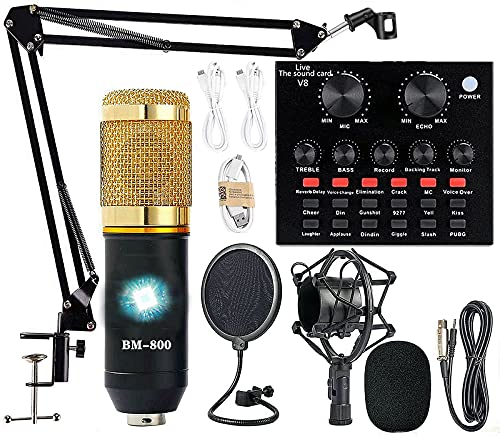
Podcast Equipment Bundle, BM-800 Recording Studio Package with Voice Changer, Live Sound Card – Audio Interface for Laptop Computer Vlog Living Broadcast Live Streaming YouTube TikTok (AM100-V8)
Professional Podcast Equipment Bundle – The Podcast Equipment Bundle is equipped with BM-800 microphone, Mic adjustable suspension scissor…
As an affiliate, we earn on qualifying purchases.
As an affiliate, we earn on qualifying purchases.
Conclusion
Did you know that sidekick characters often boost a game’s or show’s popularity by up to 30%? Your voice acting can turn a simple character into a memorable comedic relief that audiences love. By adding humor and charm, you create a dynamic duo that keeps viewers engaged and laughing. So, embrace your unique voice, experiment with timing, and craft sidekicks that leave a lasting impression—your comedic talent can truly make a difference.
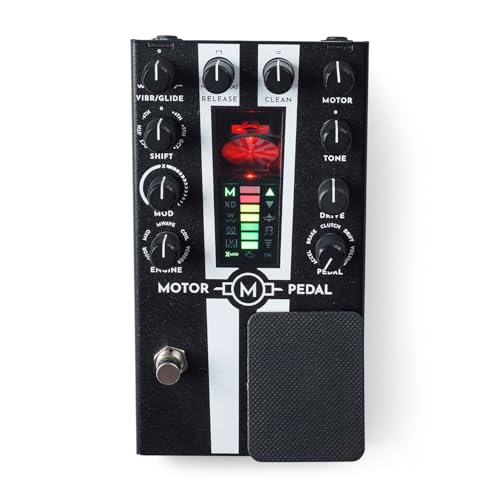
Gamechanger Audio Motor Pedal Electro-Mechanical Synth Voice and Harmony Pedal with Pitch Shifter, Pitch Tracking and Pressure-Sensitive Foot Controller
A fully playable electro-mechanical synth voice that tracks the pitch of your playing in real time. A real…
As an affiliate, we earn on qualifying purchases.
As an affiliate, we earn on qualifying purchases.
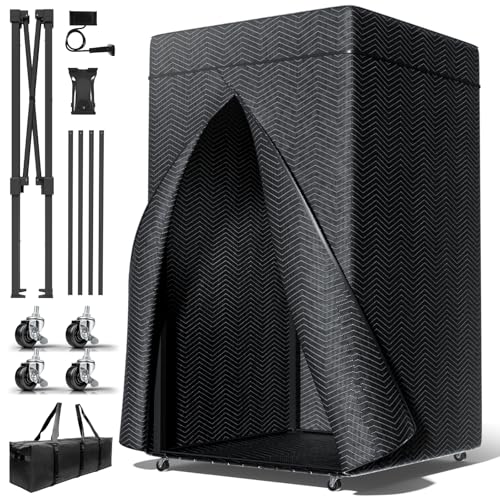
RDCMKL XL Portable Recording Booth, Complete Home Recording Studio Soundproof Vocal Booth, Foldable with Travel Bag for Echo-Free Studio-Quality Sound, Ideal for Voiceovers, Podcasts, and Music
Transform your home studio with our complete home recording studio. This vocal booth offers clear, high-quality audio for…
As an affiliate, we earn on qualifying purchases.
As an affiliate, we earn on qualifying purchases.