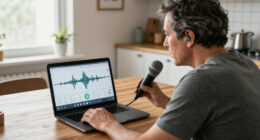
Choosing the right studio microphone for narration can significantly impact your audio clarity and professionalism. The Blue Yeti USB Microphone stands out as the overall best due to its versatility and ease of setup, ideal for beginners and casual creators. For those seeking higher sound fidelity, the Audio-Technica AT2020 offers impressive XLR quality, perfect for serious voice work. Meanwhile, the RØDE NT1 provides premium studio-grade audio for professional narrators, though at a higher price point. Each option involves tradeoffs between convenience, sound quality, and budget. Keep reading for a detailed breakdown to find the best fit for your narration needs.

Get everyday helpers delivered free with Prime
- Fast, free delivery on millions of items
- Prime Video, Amazon Music and more included
- Member-only deals all year
Complete the kit

Key Takeaways
- USB microphones like the Blue Yeti offer plug-and-play simplicity, making them ideal for beginners and those on a tight setup schedule.
- XLR mics such as the Audio-Technica AT2020 deliver superior audio quality but require additional equipment like audio interfaces, increasing complexity.
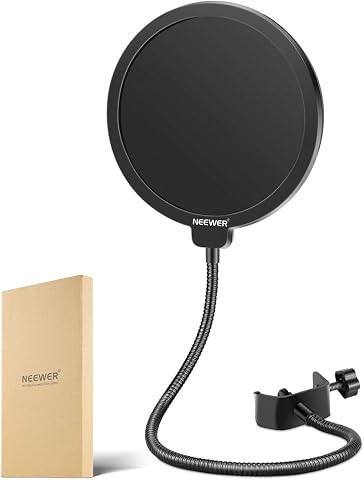
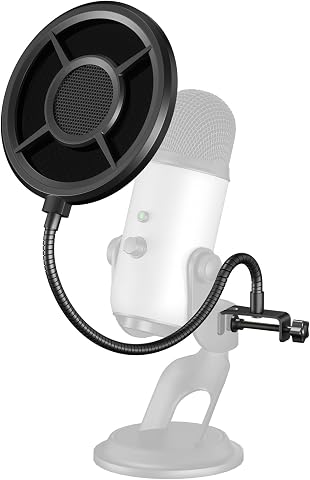
- Built-in features like pop filters and shock mounts can prevent common narration issues like plosives and vibrations, but add to the cost.
- Higher-end models like the RØDE NT1 provide studio-level clarity but are often overkill for casual or beginner users.
- Versatility in connectivity options (USB vs XLR) strongly influences setup complexity and future expandability.
| Logitech Blue Yeti USB Microphone for PC, Mac, Gaming, Recording, Streaming, Podcasting, Studio – Blackout |  | Best Overall for Versatile Studio Narration | Pickup Patterns: Cardioid, Omni, Bidirectional, Stereo | Connectivity: USB | Software: Blue VO!CE effects | VIEW ON AMAZON | See Our Full Breakdown |
| Audio-Technica AT2020 Cardioid Condenser Studio XLR Microphone |  | Best for High-Quality Studio Sound with XLR Setup | Output connector: 3 pin XLRM | Polar pattern: Cardioid | Application: Studio, Home Studio | VIEW ON AMAZON | See Our Full Breakdown |
| TONOR Studio Recording Microphone with Isolation Shield Set, Pop Filter, Tripod Stand & Earphone for PC, Laptop, Smartphone |  | Best for Beginners and Home Studio Setup | Connectivity Technology: USB, TYPE-C, 3.5mm jack | Special Features: Mute, plug and play, real-time monitor, sound filtering | Polar Pattern: Unidirectional | VIEW ON AMAZON | See Our Full Breakdown |
| Upgraded Studio Recording Microphone with Isolation Shield & Pop Filter – Condenser Mic for Podcasting, Singing, Home Studio |  | Best for Versatile Content Creation with Advanced Features | Connectivity Technology: USB | Connector Type: 3.5 mm Jack, USB Type-B | Special Features: Echo, mute, noise reduction, volume control | VIEW ON AMAZON | See Our Full Breakdown |
| FIFINE AmpliTank K688CT Podcast Microphone Kit, USB/XLR Dynamic Vocal Mic |  | Best for Flexible Connectivity and Professional Podcasting | Connectivity Technology: USB, XLR | Connector Type: USB, XLR | Special Features: Mute, noise reduction, stand, volume control | VIEW ON AMAZON | See Our Full Breakdown |
| FIFINE AmpliGame A6T USB Gaming Microphone Kit |  | Best Versatile Streaming Microphone with Visual Flair | Compatibility: Windows, Mac OS, PS4, PS5 | Cable Length: 8.2ft (2.5m) | Interface: USB-C to USB-A/C | VIEW ON AMAZON | See Our Full Breakdown |
| ZealSound Podcast Microphone for PC, Noise Cancellation USB Mic with Gain, Volume Adjustment & Mute Button, Monitoring & Echo, for YouTube, TikTok, Podcasting, Streaming, iPhone, iPad, Android, Mac |  | Best Feature-Rich USB Mic for Multi-Device Content Creation | Frequency Response: 40Hz–18kHz | Sampling Rate: 46kHz | Sensitivity: –45dB ±3dB | VIEW ON AMAZON | See Our Full Breakdown |
| FIFINE T669 Studio Condenser USB Microphone for Recording and Podcasting |  | Best All-Inclusive Starter Microphone for Home Studios | Output: USB | Frequency Response: Wide | Max SPL Handling: High | VIEW ON AMAZON | See Our Full Breakdown |
| RØDE NT1 Signature Series Studio Condenser Microphone, Black |  | Best High-End Studio Microphone for Vocal Clarity | Type: Condenser Microphone | Color: Black | Pattern: Cardioid | VIEW ON AMAZON | See Our Full Breakdown |
| MAONO A04T USB Condenser Microphone Kit, 192kHz/24bit for PC Podcasting |  | Best High-Resolution Microphone for Professional Streaming | Sampling Rate: 192kHz/24bit | Frequency Response: 30Hz – 16kHz | Transducer: 16mm electret condenser | VIEW ON AMAZON | See Our Full Breakdown |
| studio microphone for narration | Frequency Response |
|---|---|
| Logitech Blue Yeti USB Microph | — |
| Audio-Technica AT2020 Cardioid | — |
| TONOR Studio Recording Microph | — |
| Upgraded Studio Recording Micr | 30Hz‑16kHz |
| FIFINE AmpliTank K688CT Podcas | 16 KHz |
| FIFINE AmpliGame A6T USB Gamin | — |
| ZealSound Podcast Microphone f | 40Hz–18kHz |
| FIFINE T669 Studio Condenser U | Wide |
| RØDE NT1 Signature Series Stud | — |
| MAONO A04T USB Condenser Micro | 30Hz – 16kHz |
More Details on Our Top Picks
Logitech Blue Yeti USB Microphone for PC, Mac, Gaming, Recording, Streaming, Podcasting, Studio – Blackout
The Blue Yeti USB Microphone stands out for its flexible pickup patterns—cardioid, omni, bidirectional, and stereo—which make it highly adaptable to different narration styles and recording environments. Compared with the TONOR Studio Microphone, which offers a comprehensive bundle but fewer pattern options, the Yeti’s onboard Blue VO!CE effects add a layer of professional polish without needing external processing. Its plug-and-play setup is a boon for those who want quick results, but the bulky design and limited mobility due to USB dependence may be drawbacks for mobile narrators. The adjustable stand and intuitive controls make it accessible for both beginners and seasoned voice-over artists. However, the size might clutter a compact workspace, and some users may find the onboard controls slightly complex to navigate initially.
Pros:- Multiple pickup patterns for versatile recording scenarios
- Built-in Blue VO!CE effects for enhanced audio quality
- Plug-and-play setup compatible with Mac and PC
- Adjustable desktop stand for optimized positioning
Cons:- Bulkier design may occupy significant desk space
- Limited mobility due to USB connection
- Onboard controls can be complex for new users
Best for: Narrators and streamers seeking a versatile, all-in-one microphone with professional effects and easy setup.
Not ideal for: Mobile content creators needing a lightweight, highly portable microphone or those preferring XLR connectivity for studio-grade upgrades.
- Pickup Patterns:Cardioid, Omni, Bidirectional, Stereo
- Connectivity:USB
- Software:Blue VO!CE effects
- Controls:Headphone volume, pattern selection, mute, mic gain
- Design:Adjustable desktop stand, pivotable microphone
- Compatibility:Mac, PC
Our verdict“This mic is ideal for those wanting a flexible, professional-quality USB microphone that simplifies setup and offers creative effects.”
Audio-Technica AT2020 Cardioid Condenser Studio XLR Microphone
The Audio-Technica AT2020 excels in delivering studio-grade sound, thanks to its high SPL handling and wide dynamic range, making it well-suited for professional narration and detailed voice recordings. Unlike the FIFINE AmpliTank K688CT, which offers both USB and XLR options but focuses more on versatility, the AT2020’s pure XLR interface ensures cleaner, more controlled audio quality—ideal for those with dedicated audio interfaces. Its cardioid pattern helps isolate vocals from background noise, but this means it’s less flexible for multi-person recordings or live performances. The microphone’s robust build and high transient response make it a favorite for serious voice talent, though it requires external equipment, which could add to the overall setup complexity and cost.
Pros:- High SPL handling and wide dynamic range for detailed recordings
- Excellent transient response and frequency extension
- Reduces pickup of sounds from sides and rear for better isolation
- Robust construction suitable for studio use
Cons:- Requires external audio interface or mixer
- Limited to XLR connection, not compatible with USB-only setups
- Less suited for live performances or portable use
Best for: Professional voice-over artists and home studio users with existing audio interfaces seeking high-fidelity sound.
Not ideal for: Beginners or mobile narrators without external audio gear, since it lacks USB connectivity and demands additional equipment.
- Output connector:3 pin XLRM
- Polar pattern:Cardioid
- Application:Studio, Home Studio
- Diaphragm:Low mass, custom-engineered
Our verdict“Ideal for those with existing audio equipment who demand professional, studio-quality narration recordings.”
TONOR Studio Recording Microphone with Isolation Shield Set, Pop Filter, Tripod Stand & Earphone for PC, Laptop, Smartphone
The TONOR Studio Microphone Bundle offers an all-in-one package that simplifies setup for aspiring narrators and streamers. Its unidirectional condenser capsule focuses on capturing clear vocals while minimizing background noise, making it comparable to the FIFINE AmpliTank K688CT, but with a more comprehensive accessory kit. The included isolation shield and pop filter help improve sound quality in less controlled spaces, though the setup can feel a bit complex for those unfamiliar with studio gear. Its plug-and-play USB and 3.5mm connections make it compatible across many devices, but the basic accessories may not satisfy advanced users seeking a more refined sound environment. Its portability and all-in-one nature make it particularly appealing for beginners or those with limited space.
Pros:- High-quality condenser microphone with focused pickup pattern
- Includes comprehensive accessories like isolation shield and pop filter
- Easy to set up with plug-and-play connectivity
- Portable and durable for home or mobile use
Cons:- Requires external power source, limiting portability
- Accessories may be basic for advanced recording needs
- Limited to USB and 3.5mm connections, restricting device compatibility
Best for: Beginner narrators, podcasters, and streamers seeking a complete starter kit with noise reduction features.
Not ideal for: Professional voice actors or those requiring advanced sound customization, as its accessories are more basic and suited for entry-level use.
- Connectivity Technology:USB, TYPE-C, 3.5mm jack
- Special Features:Mute, plug and play, real-time monitor, sound filtering
- Polar Pattern:Unidirectional
- Frequency Range:100Hz-16KHz
- Item Dimensions:5.9 x 5.5 x 9.3 inches
Our verdict“A strong choice for beginners who want a complete, noise-reducing setup for home or mobile narration projects.”
Upgraded Studio Recording Microphone with Isolation Shield & Pop Filter – Condenser Mic for Podcasting, Singing, Home Studio
This USB condenser microphone excels for content creators who need flexible controls and noise reduction, making it a solid pick alongside the FIFINE AmpliTank K688CT. Its hyper cardioid pattern ensures focused voice capture, and the inclusion of an adjustable isolation shield significantly reduces room noise. The multiple controls for echo, mute, and volume make it suitable for podcasts, singing, or detailed narration, though the setup can be complex due to its array of features and accessories. While it offers high-resolution audio at 192kHz/24Bit, its all-in-one design and limited color options may not appeal to users seeking simplicity or aesthetic customization. This model is best for those who want professional features in a portable, ready-to-go package.
Pros:- High-quality sound at 192kHz/24Bit sampling rate
- Includes adjustable foldable isolation shield for noise reduction
- Multiple controls for echo, mute, and volume for versatile use
- Compact and lightweight for portability
Cons:- USB-only connection limits device compatibility
- Setup can be complex with multiple accessories
- Limited color options reduce aesthetic flexibility
Best for: Content creators and professional narrators who want high-quality sound with advanced noise reduction and versatile controls.
Not ideal for: Beginners or users without existing recording gear, as the array of features and setup may be overwhelming and the accessories limited in customization.
- Connectivity Technology:USB
- Connector Type:3.5 mm Jack, USB Type-B
- Special Features:Echo, mute, noise reduction, volume control
- Frequency Response:30Hz‑16kHz
- Hardware Platform:Laptop, PC, Smartphone
Our verdict“Ideal for experienced content creators seeking a feature-rich, portable microphone with professional-grade sound quality.”
FIFINE AmpliTank K688CT Podcast Microphone Kit, USB/XLR Dynamic Vocal Mic
The FIFINE AmpliTank K688CT offers a compelling mix of USB and XLR options, making it suitable for both entry-level and more advanced users. Its dynamic vocal design helps reduce background noise, a key advantage over condenser mics like the Blue Yeti for voice clarity in noisy environments. The included boom arm, shock mount, and windscreen support stable, high-quality recordings, but the setup may be daunting for beginners due to the need for additional equipment when using XLR. The mute and gain controls are intuitive, though the function keys disable when using XLR, which can complicate live adjustments. This microphone is best for versatile creators who want a scalable setup that can grow with their skills.
Pros:- Dual USB and XLR connectivity for scalability
- Includes sturdy boom arm, shock mount, and windscreen
- Effective noise reduction for clearer vocals
- Easy controls for mute and gain adjustments
Cons:- Function keys are disabled on XLR connection, requiring external control
- Setup can be complex for novices
- Requires additional equipment for XLR functionality
Best for: Podcasters, streamers, and musicians who need a flexible, noise-reducing microphone with both USB and XLR connectivity.
Not ideal for: Beginners without additional audio gear or users who prefer a simple plug-and-play experience, as setup complexity increases with XLR use.
- Connectivity Technology:USB, XLR
- Connector Type:USB, XLR
- Special Features:Mute, noise reduction, stand, volume control
- Signal-to-Noise Ratio:80 db
- Frequency Response:16 KHz
Our verdict“Best suited for creators who want a flexible, professional-quality microphone that adapts to their evolving audio setup.”
FIFINE AmpliGame A6T USB Gaming Microphone Kit
The FIFINE AmpliGame A6T stands out for its ease of use and comprehensive accessory bundle, making it ideal for streamers who want a plug-and-play setup with customizable visuals. Compared to the RØDE NT1, it offers more flexibility in positioning and lighting, though it sacrifices some audio purity for gaming and streaming focus. Its RGB lighting adds visual appeal but may be unnecessary for purely audio-centric users. The noise reduction features improve sound clarity in noisy environments, while the adjustable accessories provide tailored placement. However, its size and setup complexity could be a drawback for small desk spaces or users seeking a minimalist setup. This microphone suits gamers and streamers who value colorful aesthetics and convenience over absolute studio fidelity.Pros:- Simple plug-and-play setup compatible with multiple platforms
- RGB lighting enhances streaming aesthetics
- Includes shock mount, pop filter, and boom arm for flexible positioning
- Effective noise reduction for clearer sound
Cons:- Takes up significant desk space with accessories
- RGB lighting may be superfluous for some users
- Setup instructions can be complex for beginners
Best for: Streamers and gamers seeking an all-in-one, easy-to-use microphone with visual effects
Not ideal for: Audio professionals needing the highest fidelity or minimalistic setups with no lighting features
- Compatibility:Windows, Mac OS, PS4, PS5
- Cable Length:8.2ft (2.5m)
- Interface:USB-C to USB-A/C
- Lighting:RGB gradient
- Polar Pattern:Cardioid
- Included Accessories:Shock mount, pop filter, boom arm stand, C-clamp, user manual
Our verdict“This mic is perfect for streamers and gamers who want easy installation and visual flair, with some tradeoffs in space and complexity.”
- The ZealSound K66 excels with its robust feature set, including noise cancellation, real-time monitoring, and adjustable controls, making it a strong choice for serious podcasters and streamers. Unlike the simpler FIFINE T669, it offers more control over sound in real time, which can be a huge advantage for nuanced narration or professional-sounding content. Its compatibility across mobile, PC, and gaming platforms adds versatility, but the complexity of controls might overwhelm newcomers. Build quality isn’t specified, raising questions about durability after extended use. Its comprehensive features make it ideal for users who want detailed control over their audio, though those seeking minimal setup might find it overly complicated. This microphone suits content creators who prioritize advanced features and multi-device compatibility.Pros:
- High-quality noise reduction for clear recordings
- Wide device compatibility including mobile and gaming platforms
- Real-time monitoring and adjustable gain for precise control
- Mute and echo controls for versatile use
Cons:- Feature complexity may be intimidating for beginners
- Build quality details are lacking, raising durability concerns
- No included stand or shock mount, requiring additional purchase
Best for: Experienced podcasters and streamers needing extensive controls and noise reduction across multiple devices
Not ideal for: Beginners or users seeking a straightforward, plug-and-play microphone with minimal features
- Frequency Response:40Hz–18kHz
- Sampling Rate:46kHz
- Sensitivity:–45dB ±3dB
- Connectivity:USB-C, Lightning adapters included
- Device Compatibility:Windows, Mac, iPhone, iPad, Android, PS4, PS5
- Features:Noise Reduction, Zero-Latency Monitoring, Gain, Echo, Mute
Our verdict“This mic is tailored for experienced creators who need extensive control and multi-platform support, with some learning curve involved.”
FIFINE T669 Studio Condenser USB Microphone for Recording and Podcasting
The FIFINE T669 offers a well-rounded package for newcomers and hobbyists, with a durable build and a complete accessory kit including a boom arm, pop filter, and shock mount. Compared to the MAONO A04T, it provides a similar plug-and-play experience but emphasizes sturdiness and ease of use for home setups. Its wide frequency response and high SPL handling ensure versatile recording, yet it may pick up ambient noise if not carefully positioned. The included accessories help create a professional-looking setup without extra purchases, but it’s incompatible with Xbox consoles, limiting gaming options. Overall, this microphone makes the most sense for those starting out in podcasting or voiceovers who want everything included in one package.Pros:- Plug-and-play USB connection for quick setup
- Includes comprehensive accessories for immediate use
- High-quality sound with wide frequency response
- Sturdy construction and easy adjustability
Cons:- Not compatible with Xbox consoles
- Requires desk space for the arm and accessories
- Potential ambient noise pickup if not positioned carefully
Best for: Beginner podcasters and voiceover artists setting up a home studio on a budget
Not ideal for: Gamers or advanced professionals seeking Xbox compatibility or studio-grade equipment
- Output:USB
- Frequency Response:Wide
- Max SPL Handling:High
- Capsule Type:Cardioid condenser
- Included Accessories:Boom arm, pop filter, shock mount, USB cable, user manual
- Cable Length:8.2 feet
Our verdict“This mic is an excellent choice for beginners wanting a complete, ready-to-use recording setup without extra cost or complexity.”
RØDE NT1 Signature Series Studio Condenser Microphone, Black
The RØDE NT1 Signature Series is designed for professionals who demand ultra-low self-noise and pristine sound, making it ideal for vocal recordings and streaming that require utmost clarity. Compared to the FIFINE T669, it offers superior audio quality but requires an additional audio interface, adding to the cost and complexity. Its included shock mount and pop filter facilitate immediate setup, but the price point may be prohibitive for casual users. The whisper-quiet self-noise ensures recordings are free from background hiss, making it a top choice for voiceovers and music. However, its XLR connection means it’s not a standalone solution—users need an interface or mixer. This mic is best suited for those who prioritize studio-quality sound and are prepared for a more involved setup.Pros:- Ultra-low self-noise for crystal-clear recordings
- Includes essential accessories for immediate use
- Ideal for vocals, voiceovers, and streaming
- High build quality and durability
Cons:- Requires external audio interface for connection
- More expensive than entry-level USB mics
- XLR setup adds complexity and cost
Best for: Professional vocalists, voiceover artists, and streamers seeking studio-grade quality
Not ideal for: Beginners or those preferring simple USB microphones without additional hardware
- Type:Condenser Microphone
- Color:Black
- Pattern:Cardioid
- Self-noise:Whisper-quiet
- Included Accessories:Shock mount, pop filter
Our verdict“This microphone is perfect for professionals or serious hobbyists who want studio-quality sound with a dedicated interface and are ready for a higher investment.”
MAONO A04T USB Condenser Microphone Kit, 192kHz/24bit for PC Podcasting
The MAONO A04T delivers impressive audio fidelity with its 192kHz/24bit sampling rate, making it an excellent choice for podcasting and voice recording that demands high detail. Compared to the FIFINE T669, it emphasizes higher resolution audio, suitable for users who want a more professional sound quality. Its plug-and-play design simplifies setup across all OS, including mobile devices with OTG adapters, though the adapter isn’t included. The included accessories—shock mount, pop filter, stand—make it a versatile starter kit. However, its frequency response is narrower than some competitors, and it lacks XLR support for upgrades. This device is best for those prioritizing high-resolution digital audio in a straightforward USB package.Pros:- Exceptional 192kHz/24bit high-res audio quality
- Plug-and-play with all major OS and mobile compatibility (with OTG)
- Includes comprehensive accessories for immediate use
- Simple setup without external drivers
Cons:- OTG adapter not included for mobile devices
- Limited to USB connection without XLR support
- Frequency response may not cover all professional recording needs
Best for: Podcasters and streamers seeking professional-grade, high-resolution audio with easy setup
Not ideal for: Musicians or advanced users needing wider frequency response or XLR connectivity
- Sampling Rate:192kHz/24bit
- Frequency Response:30Hz – 16kHz
- Transducer:16mm electret condenser
- Connectivity:USB 2.0
- Compatibility:All OS including Windows, Linux, Mobile (with OTG)
Our verdict“This microphone suits those focused on high-quality digital audio for podcasts and streaming, with straightforward usability and excellent specs.”

How We Picked
These microphones were evaluated based on their performance in capturing clear, natural narration, ease of use, build quality, and value. We prioritized models that balance sound quality with user-friendliness, especially for voice work. Additional factors included durability, included accessories, and adaptability to different recording environments. The ranking reflects a combination of professional-grade audio, affordability, and suitability for different user levels, from beginners to seasoned narrators.Factors to Consider When Choosing Studio Microphone For Narration
When selecting a studio microphone for narration, understanding key factors can help you make a smarter choice. The right microphone depends on your budget, recording environment, and whether you prioritize ease of use or ultimate sound quality. Avoid common pitfalls like choosing a mic solely based on features you don’t need or ignoring the importance of accessories that improve sound clarity. Consider how each factor aligns with your specific narration goals to find the best fit.Connectivity Type: USB vs XLR
USB microphones are generally more straightforward, connecting directly to your computer without additional equipment. They are perfect for beginners or those with limited space, offering plug-and-play convenience. XLR microphones, on the other hand, deliver higher audio quality and more control over sound but require an audio interface and additional setup. Your choice here influences both your initial investment and future expandability—consider whether simplicity or professional-grade quality matters most for your needs.
Sound Quality and Voice Fidelity
For narration, capturing clarity and natural tone is essential. Condenser microphones tend to excel at this, providing smooth, detailed recordings. Dynamic mics can be more resistant to background noise, which helps in less controlled environments. Beware of models with overly bright or muffled sound profiles; choosing a mic with a balanced frequency response ensures your voice sounds natural and engaging.
Build Quality and Durability
Since voice recording can involve long sessions, investing in a sturdy microphone that withstands regular use is wise. Look for models with solid construction and quality components. Features like shock mounts or isolation shields can further protect the mic from vibrations and ambient noise, improving overall sound quality. Cheaper models might save money initially but could suffer from durability issues over time.
Included Accessories and Setup
Many microphones come with essential accessories such as pop filters, stands, or shock mounts, which can improve recording quality and user experience. Be cautious of bundles that include unnecessary extras or ones that lack critical items you need, like a good boom arm or foam windscreen. Proper setup and accessories can prevent common narration issues like plosives and background noise, saving time in post-production.
Budget and Long-Term Value
While it might be tempting to go for the cheapest option, investing in a quality microphone can pay off by reducing editing time and improving your final product. Consider your current needs versus future plans; a modest mic now might limit your growth if you aim for professional narration later. Balance your budget with features that deliver real value, such as better sound fidelity or durability.
Frequently Asked Questions
Is a USB microphone sufficient for professional narration?
For many amateur and semi-professional narrators, a high-quality USB microphone can deliver excellent results with minimal setup. It offers convenience and decent sound quality suitable for podcasts, voice-overs, and streaming. However, for high-end professional projects or studio environments, an XLR microphone paired with a quality audio interface might be necessary to achieve the absolute best fidelity. Your choice should reflect your current needs and future ambitions.
How important is a pop filter for narration microphones?
Using a pop filter is highly recommended for narration, especially with condenser microphones. It helps eliminate plosive sounds (like ‘p’ and ‘b’) that can cause unpleasant distortion. A pop filter also protects the microphone capsule from saliva and moisture, prolonging its lifespan. In environments with less control over ambient noise, a pop filter can significantly improve overall sound clarity and reduce editing time.
Can I use a gaming microphone for narration?
While some gaming microphones can handle voice recordings reasonably well, they are typically optimized for speech clarity in gaming contexts rather than the nuanced sound quality required for narration. They might lack the frequency response and noise handling features that professional or semi-professional narration microphones offer. For serious voice work, investing in a dedicated studio mic will usually produce better, more natural results.
What is the benefit of XLR microphones over USB for narration?
XLR microphones generally provide superior sound quality, greater dynamic range, and more control over audio characteristics. They are also more adaptable for professional studio setups, allowing upgrades like high-quality preamps and audio interfaces. However, they require more equipment and technical knowledge, which might be a barrier for beginners. If you prioritize ultimate sound fidelity and plan to expand your setup, an XLR mic makes sense.
How do I choose the right microphone for recording in a non-studio environment?
In less controlled environments, dynamic microphones are often better because they reject background noise and ambient sounds more effectively. Look for models with built-in noise reduction features or directional polar patterns to focus on your voice. Proper placement, a good pop filter, and possibly an isolation shield can also improve recording quality. Budgeting for these accessories is essential to achieve professional results outside a studio setting.
Conclusion
For casual narrators or content creators starting out, the Blue Yeti offers a straightforward, versatile option that balances ease of use with decent sound quality. If you’re aiming for professional-grade recordings, the RØDE NT1 provides exceptional clarity but requires a bigger investment in equipment and setup. Beginners seeking simplicity should lean toward USB models, while experienced users or those with future expansion plans might prefer XLR options like the Audio-Technica AT2020. Ultimately, your choice depends on your budget, environment, and long-term narration goals.Fall Picks
fall essentials
As an affiliate, we earn on qualifying purchases.