Loudness normalization means you’ll adjust your voice recordings so they sound consistent and professional across all playback devices. It balances the volume, preventing sudden jumps that can distract or annoy listeners while maintaining the clarity, warmth, and details intact. This process guarantees your voice sounds polished no matter where it’s played—whether on mobile, radio, or streaming platforms. Keep going to discover how proper normalization can elevate your voice deliverables even further.
Key Takeaways
- Ensures voice recordings maintain a consistent loudness level across different platforms and devices.
- Balances dynamic range to prevent audio from being too quiet or overly loud.
- Enhances professionalism and listener trust by delivering uniform sound quality.
- Prevents distortion or fatigue caused by sudden volume changes during playback.
- Supports compliance with audio standards for commercial, broadcast, and streaming use.
When delivering voice recordings, ensuring consistent loudness across all files is essential to provide a professional listening experience. Loudness normalization is the process that helps achieve this by adjusting your audio levels to meet a standard loudness target. This isn’t just about making everything sound equally loud; it’s about balancing the dynamic range and maintaining audio consistency throughout your recordings. The dynamic range refers to the difference between the quietest and loudest parts of your voice, and controlling it ensures that your recordings don’t sound overly compressed or too dynamic, which can be uncomfortable for listeners. When you normalize loudness properly, you prevent sudden jumps in volume that can distract or annoy your audience, keeping the listening experience smooth and engaging.
Understanding what loudness normalization means for your voice deliverables is crucial because it directly impacts how your recordings are perceived. If your audio is too quiet, listeners might strain to hear your voice, leading to fatigue or frustration. Conversely, if it’s too loud, it can cause distortion or discomfort, especially on different playback devices. By applying loudness normalization, you’re standardizing your recordings to a specific loudness level, ensuring that they sound consistent regardless of the device or platform. This uniformity makes your work appear more professional and trustworthy, especially in commercial or broadcast contexts. It also minimizes the need for listeners to constantly adjust their volume, creating a seamless experience.
Additionally, understanding projector technology can help you recognize how different playback devices may affect perceived loudness and clarity, emphasizing the importance of normalization. Properly managing audio levels ensures clarity and prevents over-compression that could diminish the emotional impact of your voice. Furthermore, by maintaining consistent loudness, you can optimize your recordings for various platforms, ensuring they sound ideal whether played on a small mobile device or a large sound system. An understanding of audio standards can guide you in achieving the most accurate and professional sound for your recordings. Proper normalization preserves the integrity of your voice, preventing over-compression that could diminish clarity or expression. When done correctly, it allows your recordings to stand out for their clarity, warmth, and professionalism. Understanding how loudness normalization influences your voice recordings helps you deliver content that is polished, reliable, and pleasant to listen to, no matter where or how it’s played.

Music Software Bundle for Recording, Editing, Beat Making & Production – DAW, VST Audio Plugins, Sounds for Mac & Windows PC
No Demos, No Subscriptions, it's All Yours for Life. Music Creator has all the tools you need to…
As an affiliate, we earn on qualifying purchases.
As an affiliate, we earn on qualifying purchases.
Frequently Asked Questions
How Does Loudness Normalization Affect Voice-Over Artist Performances?
Loudness normalization impacts your voice-over performances by ensuring consistent volume levels, which helps maintain a balanced dynamic range. This consistency improves listener perception, making your voice sound professional and easy to follow across different platforms. You won’t need to constantly adjust your delivery for volume fluctuations, allowing you to focus on performance quality. Ultimately, normalization helps your voice stand out clearly, creating a seamless experience for your audience.
Can Loudness Normalization Be Adjusted After Initial Voice Recording?
Yes, loudness normalization can be adjusted after your initial recording. This process helps guarantee volume consistency across your voice deliverables, meeting playback standards. You might need to tweak levels if the normalized audio doesn’t match the desired loudness or if playback environments differ. Adjusting normalization after recording allows you to fine-tune your voice tracks, ensuring they sound balanced and professional for various platforms and audiences.
What Tools Are Best for Applying Loudness Normalization to Voice Files?
Think of your voice files as a symphony needing balance; the best tools for loudness normalization are those like iZotope RX, Adobe Audition, and Auphonic. These tools expertly manage dynamic range and peak level, ensuring consistent loudness. They’re user-friendly and precise, helping you achieve professional-sounding results. With the right software, you can effortlessly bring your voice files into perfect harmony, maintaining clarity and engagement across every delivery.
Does Loudness Normalization Impact Voice Clarity or Quality?
Loudness normalization usually doesn’t harm your voice clarity or quality if done properly. It adjusts perceived loudness to guarantee consistency, which helps reduce listener fatigue caused by sudden volume changes. However, over-normalization can sometimes make your voice sound unnatural or flat. When applied carefully, it maintains your voice’s natural tone, making your recordings more comfortable to listen to without compromising clarity or overall quality.
How Frequently Should Voice Deliverables Be Normalized in Production?
You should normalize voice deliverables at every stage of production to maintain audio consistency and meet normalization standards. Regular normalization ensures uniform loudness levels across all files, preventing sudden volume jumps that could distract listeners. By consistently applying normalization standards, you guarantee high-quality voice delivery, making your audio sound professional and cohesive. This practice helps streamline post-production and guarantees a polished final product.
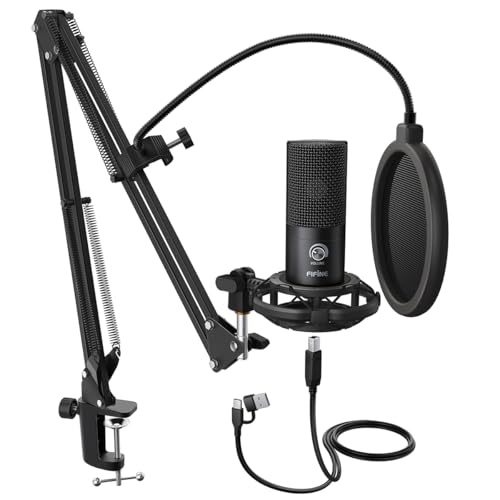
FIFINE Studio Condenser USB Microphone Computer PC Microphone Kit with Adjustable Boom Arm Stand Shock Mount for Instruments Voice Overs Recording Podcasting YouTube Vocal Gaming Streaming-T669
[USB Output] Enables simple setup. USB studio recording microphone kit provides a direct convenient plug-and-play connection to pc…
As an affiliate, we earn on qualifying purchases.
As an affiliate, we earn on qualifying purchases.
Conclusion
Loudness normalization guarantees your voice deliverables hit the right note every time, like a finely tuned instrument in an orchestra. It balances your audio, making sure nothing sounds out of place or overwhelms the listener. By embracing this process, you’re not just delivering sound—you’re delivering an experience that resonates. Think of loudness normalization as the steady beat that keeps your voice shining brightly, guiding your audience effortlessly through every word and nuance.
Music Software Bundle for Recording, Editing, Beat Making & Production – DAW, VST Audio Plugins, Sounds for Mac & Windows PC
No Demos, No Subscriptions, it's All Yours for Life. Music Creator has all the tools you need to…
As an affiliate, we earn on qualifying purchases.
As an affiliate, we earn on qualifying purchases.

Audio-Technica ATH-M20x Professional Studio Monitor Headphones, Black
Advanced build quality and engineering; Designed for studio tracking and mixing
As an affiliate, we earn on qualifying purchases.
As an affiliate, we earn on qualifying purchases.