
To minimize latency in remote ADR, guarantee you use a stable, high-bandwidth connection, preferably wired, and position your equipment close together. Close unnecessary applications and keep your software updated to improve performance. Optimize your network by limiting devices and setting QoS for audio packets. Use quality hardware like external sound cards and low-latency headsets. Proper equipment placement and regular testing will keep delays low. Continue exploring these tips to make your sessions smoother and more efficient.
Key Takeaways
- Use wired, high-bandwidth internet connections and position routers close to recording equipment to ensure stable data transfer.
- Close unnecessary background applications and keep hardware and software updated to reduce processing delays.
- Implement Quality of Service (QoS) settings to prioritize audio data packets over the network.
- Keep recording devices and network hardware in the same room or close proximity to minimize physical delays.
- Regularly test network latency and jitter, then adjust setup or upgrade equipment based on performance results.

Latency in remote ADR can considerably impact the quality and efficiency of audio post-production, especially when delays disrupt the natural flow of dialogue recording. To minimize this, focusing on network optimization is essential. A stable, high-bandwidth internet connection reduces lag and guarantees smoother data transfer between your recording setup and the remote engineer. Prioritize wired connections over Wi-Fi whenever possible, since wired links tend to offer more consistent speeds and lower latency. If Wi-Fi is your only option, consider upgrading your router or positioning it closer to your recording space to improve signal strength. Additionally, configuring your network for minimal interference—such as limiting the number of devices connected simultaneously—can greatly enhance performance. Implementing quality of service (QoS) settings on your router can prioritize audio data packets, further reducing latency.
Your user experience hinges on how well your system handles data transmission. To optimize it, close unnecessary background applications that consume bandwidth or processing power. Keep your operating system and audio software up to date, as updates often include performance improvements and bug fixes that can reduce latency. Use dedicated hardware when possible, like external sound cards and audio interfaces, rather than relying solely on built-in components, as these typically offer lower latency and better audio fidelity. Additionally, selecting high-quality networking hardware with features tailored for low-latency data transfer can make a significant difference in your workflow.
Testing your setup before recording sessions is indispensable. Run latency tests to identify potential bottlenecks and adjust settings accordingly. Use tools that measure round-trip time and jitter, then tweak your network or hardware setup based on the results. If your remote ADR workflow involves cloud-based collaboration, opt for services that provide optimized data routing and high-speed servers. These can greatly reduce delays, making the user experience smoother and more natural.
Lastly, consider the physical placement of your equipment. Keep your recording device and network hardware in the same room or close proximity to minimize physical delays. Good cable management and proper grounding also prevent electrical interference, contributing to a more stable connection. By optimizing your network and paying attention to the user experience, you can markedly reduce latency, making remote ADR sessions more productive, comfortable, and closer to real-time. This way, you guarantee that dialogue recording remains seamless, with minimal disruptions, leading to higher quality post-production results.

Creative Labs Sound Blaster Play! 3 External USB Sound Adapter for Windows and Mac. Plug and Play (No Drivers Required). Upgrade to 24-Bit 96Khz Playback
power source type: Corded Electric
As an affiliate, we earn on qualifying purchases.
As an affiliate, we earn on qualifying purchases.
Frequently Asked Questions
How Does Internet Speed Affect Remote ADR Latency?
Your internet speed directly impacts remote ADR latency. Higher internet bandwidth allows data to transfer faster, reducing delays. A stable connection minimizes interruptions and packet loss, guaranteeing smoother audio and video quality. If your connection is sluggish or unstable, you’ll experience increased latency, leading to delays in dialogue syncing. To improve performance, upgrade your internet plan for better bandwidth and ensure your connection remains stable during recording sessions.
Can Hardware Upgrades Reduce Remote ADR Delay?
Yes, hardware improvements can help reduce remote ADR delay. Upgrading your equipment, like faster processors and better network cards, allows for quicker data processing and transfer. Additionally, implementing network optimizations, such as using quality routers and reducing interference, can enhance overall performance. These steps work together to minimize latency, ensuring smoother remote ADR sessions. Invest in both hardware upgrades and network optimizations to achieve the best possible reduction in delay.
What Role Does Server Location Play in Latency?
Think of server location as your friendly neighbor’s house—closer means faster visits. When your server is nearby, it shortens data routing paths, reducing latency and making remote ADR responses snappy. Choosing a server in a strategic location minimizes delays, ensuring smooth communication. So, by prioritizing server proximity, you’re effectively trimming down the time it takes for your data to travel, leading to a more seamless experience.
Are There Specific Software Tools to Monitor ADR Latency?
Yes, you can use software monitoring tools like PingPlotter, SolarWinds, or Nagios to measure ADR latency. These tools provide real-time latency measurement, helping you identify delays quickly. They track network performance, visualize latency trends, and alert you to issues before they impact your remote ADR sessions. Regular monitoring with such software helps you maintain low latency, ensuring smooth and responsive remote ADR experiences.
How Does Background Network Traffic Impact Remote ADR Quality?
Background network traffic can considerably impact your remote ADR quality by causing network congestion and increasing background noise. When your network experiences high traffic, data packets get delayed or dropped, leading to lag and reduced clarity during ADR sessions. To minimize this, make certain your network has sufficient bandwidth, avoid other heavy internet activities during recordings, and prioritize your ADR connection. These steps help maintain smooth, high-quality remote ADR performance.

NETGEAR Nighthawk WiFi 7 Router (BE9300) – Router Only, 9.3Gbps Wireless Speed, 2.5 Gigabit Internet Port, Tri-Band for Gaming, Covers 2,500 sq. ft., 100 Devices, VPN – Free Expert Help
Blazing-fast WiFi 7 speeds up to 9.3Gbps for gaming, smooth streaming, video conferencing and entertainment
As an affiliate, we earn on qualifying purchases.
As an affiliate, we earn on qualifying purchases.
Conclusion
As you navigate remote ADR, remember that every millisecond counts—like the quiet hum of a distant engine, subtly shaping your work. By implementing these tips, you create a smoother, more seamless process, making delays feel like a distant memory. Sometimes, minimizing latency is just about fine-tuning the tiniest details, much like tuning an instrument to harmony. With patience and precision, you’ll find that the sound of your voice flows effortlessly, no matter where you are.
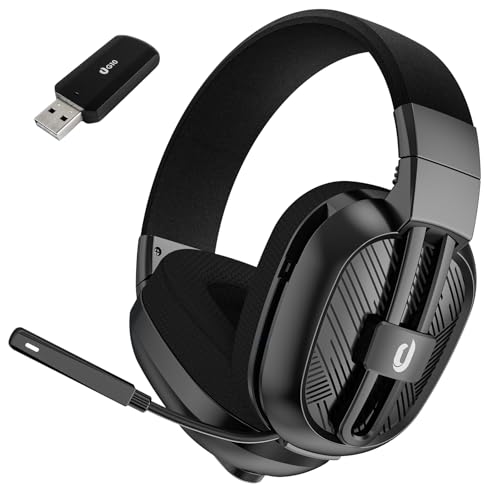
Jeecoo 2.4GHz Wireless Gaming Headset with Microphone for PC PS5 PS4, Bluetooth 5.3 Gaming Headphones with Noise Canceling Mic for Laptop, Mobile, Mac, Stereo Sound, 50+Hr Battery, Low Latency
2 Connection Ways & Multi-platform Compatibility: G10 wireless gaming headset supports low latency (≤25 ms), lossless 2.4 GHz…
As an affiliate, we earn on qualifying purchases.
As an affiliate, we earn on qualifying purchases.

ASUS RT-AX1800S Dual Band WiFi 6 Extendable Router, Subscription-Free Network Security, Parental Control, Built-in VPN, AiMesh Compatible, Gaming & Streaming, Smart Home
New-Gen WiFi Standard – WiFi 6(802.11ax) standard supporting MU-MIMO and OFDMA technology for better efficiency and throughput.Antenna :…
As an affiliate, we earn on qualifying purchases.
As an affiliate, we earn on qualifying purchases.