
TL;DR

Get everyday helpers delivered free with Prime
- Fast, free delivery on millions of items
- Prime Video, Amazon Music and more included
- Member-only deals all year
RNID and GN Hearing have released Auracast for Theatres, a practical guide for theaters and live-performance venues. It covers system selection and installation, staff training, audience testing and communicating access before, during and after a visit.
RNID and GN Hearing have released Auracast for Theatres, a practical playbook for theaters and live-performance venues setting up and communicating assistive listening systems. The guide addresses not just technology installation but also staff training and audience information, areas the organizations say shape whether people with hearing loss can use the service when they attend a performance.
The guide was developed by RNID, the UK charity supporting people who are deaf, have hearing loss or tinnitus, with support from hearing technology company GN Hearing. According to the source report, its recommendations draw on input from venue teams, technical experts and people with lived experience of hearing loss. It is available through RNID’s website at rnid.org.uk/auracast-playbook/.
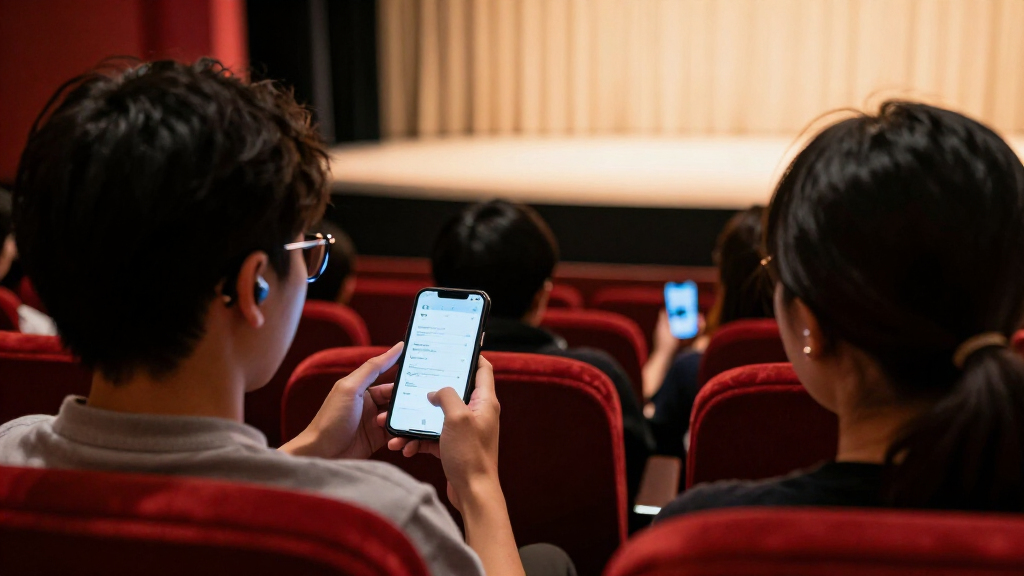
Auracast allows venues to broadcast audio directly to compatible hearing aids, headphones, earbuds and dedicated receivers. The technology is intended to help listeners hear a clearer feed amid challenges such as distance from the stage, background noise and reverberation. The playbook covers system selection and installation, as well as involving people with hearing loss in testing and training front-of-house staff.
It also recommends communicating availability throughout the audience journey: on booking channels and websites, through signage and customer emails, and in promotional materials. The guidance includes providing support on the day of a visit. The source report says Auracast deployments include Vue Cinemas across the UK and Ireland and the Sydney Opera House; it does not provide details on the equipment or coverage at those venues.
Making Listening Systems Usable
The announcement puts attention on the practical steps between installing assistive listening technology and making it accessible to audiences. A system may be present, but patrons still need to know it is available, understand how to connect and get assistance if something does not work. RNID’s playbook treats communication and staff support as part of implementation, rather than as tasks separate from the technology.
For theatergoers who are deaf or have hearing loss, a direct audio feed could make performances easier to follow in venues where acoustics, crowd noise or seating distance affect listening. The guide’s focus on testing with people with lived experience may help venues identify obstacles before opening a service to the public. However, the release describes intended benefits and guidance; it does not report measured audience outcomes or establish how widely venues will adopt the recommendations.
The document also points to a possible role for hearing care professionals, who can explain Auracast to patients and help them find places to try it. That could connect hearing technology used in daily life with access to cultural events, though the source provides no figures on participation or venue partnerships arising from the guide.
Popular right now

Samsung 65-Inch The Frame Pro Neo QLED 4K TV (2026) Bundle with Modern Brown Bezel, HDMI Cables, and Home Theater Guide

Philips Café Aromis Automatic Espresso Machine with LatteGo Pro Milk System

Shark HydroVac MessMaster Wet/Dry Vacuum & Mop Combo (AW261)
As an affiliate, we earn on qualifying purchases.
From Installation to Audience Access
The guide arrives as Auracast is appearing in some public venues, according to the report. RNID and GN Hearing present it as a resource for theaters and live-performance spaces considering the technology, not as a report that all venues have installed it or that a single implementation model fits every building.
RNID says the playbook draws on research and the experiences of theater customers and venue teams. Its technology lead, Alastair Moore, said the guidance aims to help venues move beyond minimum provision. GN’s global head of audiology, Laurel Christensen, similarly stressed that installation alone does not complete the work: audiences need information at each stage of their visit.
GN Hearing has included Auracast in all new ReSound and Beltone hearing aids since 2023, Christensen said, according to The Hearing Review. That is a manufacturer’s statement about its product range; it does not mean every person with a hearing aid can connect to every venue system. The guide was developed in a UK setting, although Moore said its access principles may apply in other countries.
“Installation alone is not the finish line.”
— Alastair Moore, technology lead at RNID
Adoption and Coverage Remain Open
The source report does not say how many theaters have adopted Auracast, how many are planning installations, or whether venues will follow the playbook. It also gives no cost estimates, technical specifications, coverage requirements or timetable for wider deployment. The guide’s publication is confirmed, but its effect on venue practice has not yet been measured in the material provided.
Compatibility will depend on the devices and systems available to individual users and venues. The report describes Auracast as working with compatible hearing aids, headphones, earbuds and receivers, but does not list specific compatibility checks or explain how patrons can confirm support before booking. Nor does it establish that every performance or seating area at the named venues has access to an Auracast broadcast.
RNID and GN Hearing describe principles they hope can apply internationally, while acknowledging differences in regulation and health care systems. How venues in other countries will adapt the guidance, and what local standards may apply, remains for individual operators to determine.
How Venues May Apply the Guide
The playbook is available now for venue operators to consult as they consider or review assistive listening provision. Its recommendations point to practical next steps: evaluate system options, test the service with people who have hearing loss, prepare front-of-house staff and make access information easy to find before a visit.
RNID and GN Hearing say the release is part of a shared effort to encourage wider awareness of Auracast among venues, audiences, hearing care professionals and accessibility groups. The source report does not announce a rollout schedule or named follow-up program. Readers will be able to assess progress as venues disclose installations, explain compatibility and report how audiences use the systems.
Key Questions
What is Auracast for Theatres?
It is a practical playbook released by RNID and GN Hearing to help theaters and live-performance venues plan, operate and communicate Auracast assistive listening.
How does Auracast assistive listening work?
Auracast broadcasts audio that can be received by compatible hearing aids, headphones, earbuds or dedicated receivers. Compatibility depends on the user’s device and the venue’s system.
What does the playbook cover?
It covers system selection and installation, testing with people with lived experience of hearing loss, staff training, on-the-day support and clear information across booking, websites, signage, emails and promotional materials.
Where can venues find the guide?
RNID has made it available at rnid.org.uk/auracast-playbook/, according to the source report.
Does the release mean theaters now offer Auracast widely?
No. The report identifies some deployments, including Vue Cinemas in the UK and Ireland and the Sydney Opera House, but gives no total adoption figure or rollout schedule. Patrons should check directly with a venue about availability and device compatibility.
Source: rss