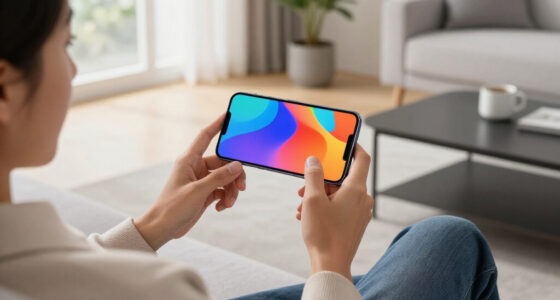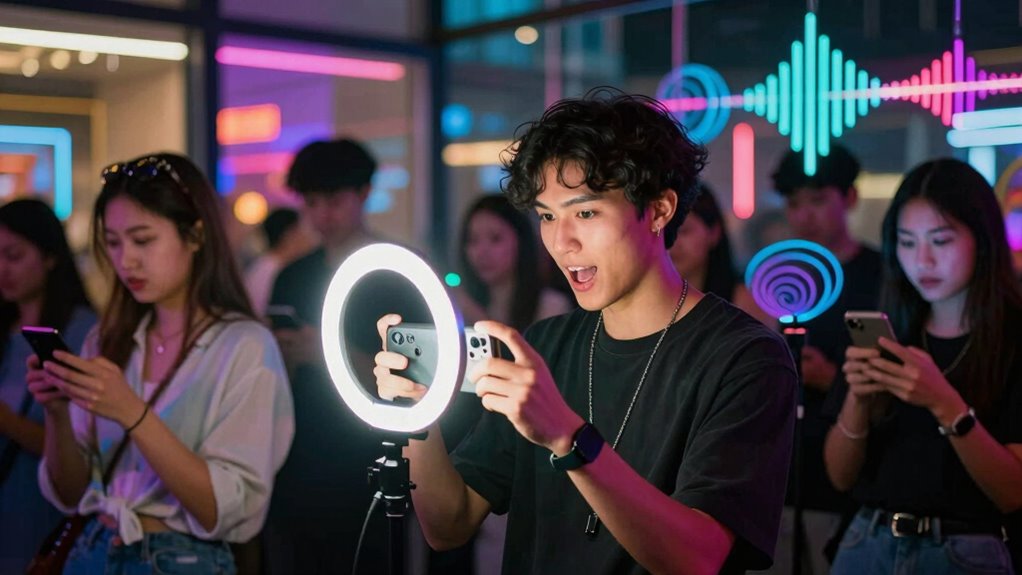

Short-form videos are reshaping how you use voice by encouraging more authentic, relatable, and personality-driven styles. You’ll notice new voice categories emerge that emphasize immediacy and emotional connection, tailored for quick engagement. These voices often feature playful inflections, casual tones, and memorable catchphrases, making content stand out. Acoustic branding and sound design are now key, creating distinctive auditory signatures. If you want to explore how these trends are transforming vocal strategies, there’s more to discover ahead.

Get everyday helpers delivered free with Prime
- Fast, free delivery on millions of items
- Prime Video, Amazon Music and more included
- Member-only deals all year
Key Takeaways
- Short-form videos demand distinct, memorable voices that stand out quickly amid fast-paced content.
- New voice categories emphasize authenticity, relatability, and personality over traditional professionalism.
- Vocal branding now incorporates catchphrases, sound signatures, and conversational tones tailored to social media trends.
- Sound design and audio cues are integral to creating multisensory brand recognition in brief videos.
- The role of voice evolves from narration to a dynamic brand ambassador fostering emotional connections.
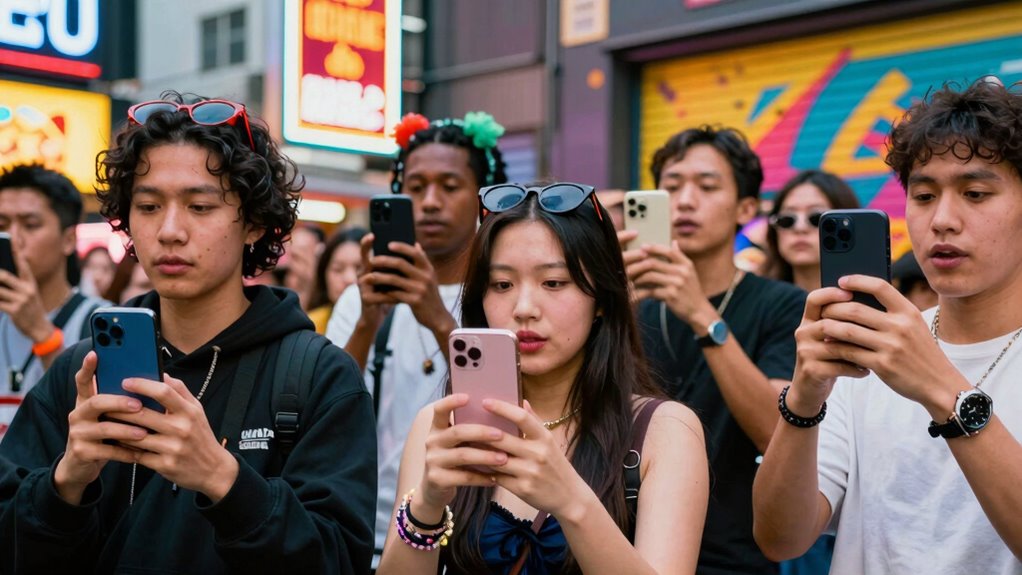
As short-form videos continue to dominate social media, they’re also transforming how we think about voice. These quick, engaging clips don’t just convey messages visually; they shape the way brands and creators develop their vocal identities. You’re now seeing a shift where vocal branding isn’t just about what you say but how you sound. The rapid pace of short videos demands a distinct, memorable voice that cuts through the noise, leading to the rise of new voice categories that are tailored to this format. Acoustic branding has become an essential tool, with brands designing specific sound profiles that complement their visual content and reinforce their identity in seconds.
Short-form videos are reshaping vocal identity, emphasizing memorable, authentic sounds that cut through the digital noise.
In this landscape, your voice becomes a powerful branding asset. Whether it’s a voiceover, a signature catchphrase, or a particular tone, you’re encouraged to craft a vocal presence that’s instantly recognizable. Short-form videos challenge traditional notions of vocal branding, pushing creators to develop voices that are more authentic, conversational, and adaptable. This shift means your voice isn’t just about clarity or professionalism; it’s about personality and relatability. You might adopt a more casual tone or use playful inflections to resonate with your audience quickly. As a result, vocal branding takes on a new dimension—more dynamic, more flexible, and more aligned with the fast-paced nature of social media.
Acoustic branding in short-form videos involves leveraging sound elements beyond voice—short jingles, sound logos, or unique audio cues that become synonymous with your brand or persona. These elements are crafted to evoke emotions instantly, making your content memorable even without detailed messaging. When you produce short videos, you’re encouraged to think about the entire soundscape, not just dialogue or narration. Incorporating high-quality audio and optimizing for color accuracy can significantly enhance the overall impact of your content, making your voice and sound design even more compelling. Additionally, paying attention to sound design helps create a cohesive auditory experience that enhances brand recognition. Developing a consistent audio signature can help solidify your identity across multiple platforms and content formats. Your audio signature becomes a pivotal part of your brand identity, helping you stand out amid countless other videos. Furthermore, understanding how to adapt your vocal tone for different audiences is crucial in maintaining engagement across diverse social media trends and formats. The emphasis on acoustic branding means you’re not just relying on visuals; you’re creating a multisensory experience that leaves a lasting impression.
Ultimately, short-form video is reshaping how you approach voice. You’re no longer just a speaker or narrator—you’re a brand ambassador whose vocal style and sound branding play a crucial role in capturing attention. The new categories of voice emerging from this format emphasize authenticity, immediacy, and emotional connection. Whether through vocal branding or acoustic branding, you’re crafting a sound identity that’s quick to recognize and impossible to ignore, ensuring your message sticks in a crowded digital space.
professional voiceover microphone
As an affiliate, we earn on qualifying purchases.
As an affiliate, we earn on qualifying purchases.
Frequently Asked Questions
How Do Creators Develop Unique Voice Styles for Short-Form Videos?
You develop unique voice styles for short-form videos by focusing on voice personalization, tailoring your tone, pitch, and pace to match your personality and content. Experiment with stylistic innovation, trying different vocal inflections, humor, or emotional expressions to stand out. Practice consistently, analyze audience reactions, and refine your delivery. This approach helps you create memorable, authentic voices that resonate, making your content more engaging and distinct in the crowded short-form video landscape.
What Tools Are Used to Modify or Enhance Voices in Short Videos?
Imagine your voice as a raw gemstone, waiting to shine differently. You use tools like voice modulation to reshape and craft it, adding depth or brightness. Audio enhancement acts like a polishing cloth, sharpening clarity and richness. These tools, including software like Adobe Audition or Voicemod, help you modify or enhance voices in short videos, making your voice stand out, more expressive, and perfectly tailored to your unique style.
How Do New Voice Categories Impact Audience Engagement?
New voice categories enhance audience perception by making content more relatable and engaging. When you use authentic voices, viewers connect better, increasing their interest and retention. These fresh voice styles grab attention quickly, encouraging viewers to stay longer. By adopting diverse, genuine voices, you create a more dynamic experience, fostering trust and emotional connection. Ultimately, this leads to higher engagement levels, as audiences appreciate real, relatable, and innovative voice choices.
Are There Ethical Concerns With Voice Alteration in Short Videos?
Imagine watching a heartfelt story, only to discover the voice was artificially altered—that feels like betrayal. Yes, there are ethical concerns with voice alteration in short videos. It challenges voice authenticity and blurs ethical boundaries, risking deception. You must consider transparency and consent, ensuring viewers aren’t misled. Maintaining honesty helps preserve trust and prevents manipulation, so creators should be cautious about crossing ethical lines with voice modifications.
How Do Brands Leverage New Voice Categories for Marketing?
You can leverage new voice categories by enhancing your brand storytelling through voice personalization, making your content more engaging and relatable. Use distinctive voices to capture attention and convey your brand’s personality uniquely. Experiment with voice modulation to resonate with different audiences or platforms, creating memorable experiences. This approach helps build stronger emotional connections, increases brand recall, and sets you apart in the crowded short-form video landscape.
As an affiliate, we earn on qualifying purchases.
Conclusion
As you immerse yourself in the world of short-form videos, you’ll quickly realize they’re revolutionizing voice categories faster than a lightning bolt across the sky. This dynamic shift isn’t just a trend; it’s a seismic change shaping how we express ourselves. Embrace these new voice avenues, because missing out would be like overlooking a universe of untapped creativity—an opportunity so vast, it’s practically infinite. Get ready to redefine your voice in ways you never imagined possible.
sound design software for videos
As an affiliate, we earn on qualifying purchases.
As an affiliate, we earn on qualifying purchases.
As an affiliate, we earn on qualifying purchases.
Halloween Picks
halloween
As an affiliate, we earn on qualifying purchases.