
TL;DR
Assistive listening devices (ALDs) help students with hearing impairments hear speech clearly in school. Recent tech like Bluetooth and noise reduction boost effectiveness, making learning more inclusive and engaging.
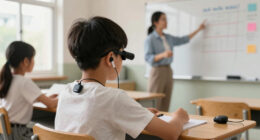
Imagine sitting in a bustling classroom — the chatter, the shuffling papers, the teacher’s voice echoing. For students with hearing difficulties, this scene can feel like trying to catch whispers in a storm. Assistive listening devices turn down the noise and bring speech into focus. They’re not just gadgets; they’re bridges to equal learning.
If you’re a teacher, parent, or caregiver, understanding these tools can make a real difference. From tiny wireless systems to smart apps, the right ALD can boost confidence, participation, and even grades. Here’s what you need to know to help your student thrive.
Modern ALDs are increasingly wireless, Bluetooth-enabled, and equipped with noise reduction, making them more effective and user-friendly.
Matching device type to classroom environment and hearing needs improves the student’s experience and success.
Training teachers, parents, and students on device use is key to making ALDs truly beneficial.
Affordable, portable ALDs are now accessible to more students, promoting inclusion across diverse settings.
Active collaboration among educators, audiologists, and families ensures ALDs are used effectively and maintained properly.
What Are Assistive Listening Devices and Why Do They Matter?
Assistive listening devices (ALDs) are tools that help students with hearing challenges catch every word. They cut through background noise and amplify speech directly to the user. Imagine a student wearing a tiny microphone clipped to the teacher’s shirt — suddenly, the teacher’s voice sounds clear as a bell, even in a noisy cafeteria or gym.
These devices are game-changers. They support learning, social interaction, and confidence. In fact, research shows ALDs can improve academic performance by up to 20%, especially in noisy classrooms where hearing aids alone might struggle. This improvement isn’t just about hearing better; it’s about enabling students to participate fully without straining or missing critical information, which can reduce frustration and social isolation.
assistive listening devices for students
As an affiliate, we earn on qualifying purchases.
As an affiliate, we earn on qualifying purchases.
The Four Main Types of ALDs That Make a Difference
Choosing the right ALD depends on the student’s needs and classroom setup. Here are the four most common types:
| Type | How It Works | Best For |
|---|---|---|
| Personal FM Systems | Wireless transmission from teacher’s microphone to student’s receiver. Think of it as a private radio channel. | Large classrooms, outdoor activities, or students with moderate to severe hearing loss. They provide direct, personalized sound, which can be crucial in environments where ambient noise is high or speech signals are weak. |
| Infrared Systems | Use infrared light to send sound signals. They’re enclosed, so signals don’t leak outside. | Small, enclosed spaces like classrooms or auditoriums. They are less susceptible to interference, making them reliable in contained settings, but their effectiveness diminishes with distance and line-of-sight issues. |
| Induction Loop Systems | Use electromagnetic fields that work with hearing aids equipped with telecoils. | Classrooms with built-in loops or portable loop setups. They are advantageous because students with compatible hearing aids can receive sound directly without additional devices, simplifying use and reducing clutter. |
| Sound Field Systems | Speakers distribute sound evenly across the room, benefiting all students, especially those with mild hearing issues. | Classrooms aiming for inclusive sound coverage. They create a more uniform listening environment, but they may be less effective for students with significant hearing loss who need direct amplification. |
For example, a teacher using a personal FM system can speak naturally, while a student with a hearing aid receives crystal-clear sound directly in their ear. Choosing the right system involves balancing the environment, student needs, and budget to optimize learning outcomes.
wireless FM hearing aids for classroom
As an affiliate, we earn on qualifying purchases.
As an affiliate, we earn on qualifying purchases.
Latest Tech That Turns ALDs Into Classroom Superstars
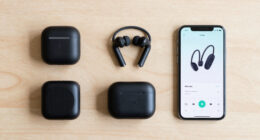
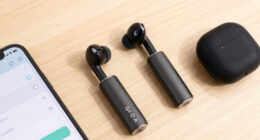
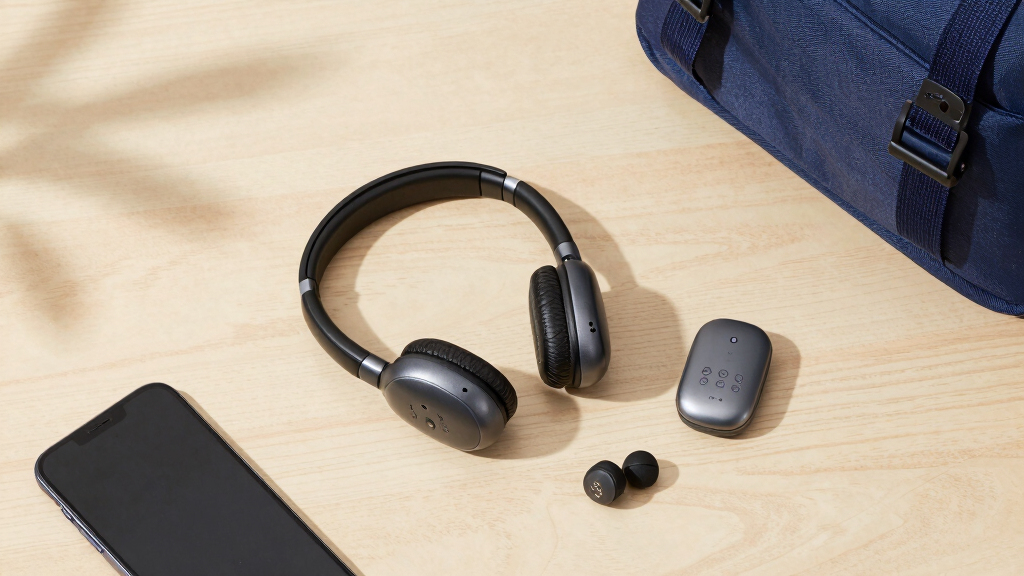
Modern ALDs are smarter and more connected than ever. Bluetooth integration allows seamless pairing with tablets and smartphones, enabling students to connect their devices directly to the ALD, reducing setup time and increasing flexibility. This means that students can effortlessly switch between listening to lectures, participating in discussions, or watching videos with clear, synchronized audio, which enhances engagement and comprehension.
Many devices now include noise reduction and echo cancellation. These features are particularly important because they compensate for the acoustic challenges of typical classrooms, such as noise from other students or echoes bouncing off walls. By filtering out irrelevant sounds, speech becomes more intelligible, reducing listening fatigue and improving focus. Hybrid systems that combine multiple technologies—like Bluetooth, noise reduction, and remote controls—offer customizable solutions that adapt to different classroom scenarios, ensuring students receive optimal support tailored to their specific needs.
Cost-effective, lightweight, and easy to use, these innovations mean more students can access the support they need without financial or logistical burdens. This democratization of technology promotes greater inclusion and equal opportunity for learners with hearing challenges.
Bluetooth assistive listening system
As an affiliate, we earn on qualifying purchases.
As an affiliate, we earn on qualifying purchases.
What You Need to Know Before Picking an ALD
Choosing the right ALD isn’t just about tech. It’s about understanding the specific needs of the student and how the device will function within their typical environment. A mismatch can lead to underutilization or frustration, which is why careful consideration is essential. For example, selecting a device that doesn’t match the student’s hearing profile or environmental conditions may result in limited benefits, wasting resources and potentially discouraging use.
Assessing hearing loss severity helps determine whether a simple sound field system or a more personalized FM system is appropriate. Considering environmental factors—such as background noise levels, room size, and potential interference—ensures the device will perform effectively. Compatibility with existing hearing aids or cochlear implants is critical; incompatible devices can cause discomfort or require cumbersome adapters, reducing user compliance. Lastly, budget constraints and portability influence long-term usability; a device that’s too bulky or expensive might not be practical for daily use or multiple settings. Making an informed choice involves weighing these factors carefully to ensure the device provides meaningful, consistent support that encourages regular use and enhances learning outcomes.
student hearing amplification device
As an affiliate, we earn on qualifying purchases.
As an affiliate, we earn on qualifying purchases.
How Schools and Families Can Make ALDs Work Every Day
Using ALDs effectively means everyone’s on the same page. Teachers need quick training on how to operate and troubleshoot devices, understand their features, and integrate them smoothly into daily lessons. This knowledge ensures minimal disruption and maximizes benefit. Parents should learn how to care for batteries, clean receivers, and store equipment properly—these small steps significantly extend device lifespan and maintain performance. Students must feel confident and comfortable using their gear, which often requires hands-on practice and ongoing encouragement. When all parties are engaged and knowledgeable, ALDs become seamless tools that support consistent use, reducing barriers to participation and fostering a more inclusive classroom environment. This collaborative approach ensures the technology’s full potential is realized, leading to better academic and social outcomes for students with hearing challenges.
Frequently Asked Questions
How do I pick the best assistive listening device for my child or student?
Start by assessing the student’s hearing level and classroom environment. Consult with an audiologist to identify the device that best matches their needs and fits within your budget. Consider portability, compatibility, and ease of use.Are assistive listening devices covered by insurance or school funding?
Coverage varies widely. Many schools and insurance plans provide support, but it’s best to check with your provider or school district to understand what’s available. Some programs may require documentation or assessments.Are these devices easy to operate and maintain?
Most modern ALDs are designed for simplicity, with straightforward controls and minimal maintenance. Regularly replacing batteries and keeping devices clean is usually enough to keep them working well.Can ALDs be used in different settings like home or extracurricular activities?
Absolutely. Many ALDs are portable and versatile, making them suitable for classrooms, home, sports, or social events. Check for features like wireless connectivity and battery life to match your lifestyle.What training do teachers and students need to use ALDs effectively?
Most providers offer training sessions, and simple instruction guides are common. Teachers should learn how to operate, troubleshoot, and incorporate ALDs seamlessly into lessons. Students benefit from hands-on practice and ongoing support.Conclusion
Assistive listening devices aren’t just tech — they’re lifelines for students with hearing challenges. When chosen wisely and used consistently, they turn classroom noise into clarity, opening doors to learning and connection.
Imagine a student confidently answering questions, their voice clear over the hum of the room. That’s the power of a well-chosen ALD. Your next step? Talk to an audiologist or assistive tech specialist and find the perfect fit for your student’s journey to success.